


Parliament has confirmed that the Ad Hoc Committee established to investigate allegations made by KwaZulu-Natal police provincial commissioner Lieutenant-General Nhlanhla Mkhwanazi will begin its hearings on Tuesday, with Mkhwanazi himself set to take the stand as the committee’s first witness.
The hearings are expected to attract national attention, as Mkhwanazi prepares to expand on a series of explosive claims he made earlier this year about alleged criminal infiltration within South Africa’s justice system, including the police service, prosecution authorities, and elements within political structures.
Parliamentary spokesperson Moloto Mothapo said in a statement that the committee would hear evidence from Mkhwanazi as part of its mandate to assess the veracity and implications of his claims.
“The Ad Hoc Committee to Investigate Allegations made by SAPS KwaZulu-Natal provincial head, Lieutenant-General Nhlanhla Mkhwanazi, will commence hearings on Tuesday, 7 October 2025. The first witness to appear will be Lieutenant-General Mkhwanazi,” the statement read.
Mkhwanazi first captured the nation’s attention in July, when he addressed the media in a fiery briefing, accusing senior political and police figures of undermining the integrity of law enforcement agencies through corruption, political interference, and organised criminal collusion. He claimed that “criminal syndicates have infiltrated state institutions, including within the justice and security cluster,” and warned that South Africa risked losing public trust in law enforcement if urgent reforms were not made.
At the Madlanga Commission in September, Mkhwanazi provided further testimony, naming several individuals allegedly linked to political manipulation and obstruction of criminal investigations. He referred to suspended Police Minister Senzo Mchunu, his long-time associate and ANC member Brown Mogotsi, and businessman Vusi ‘Cat’ Matlala, alleging that they were part of a network that sought to influence policing appointments and intelligence operations for political gain.
Mkhwanazi alleged that intelligence reports detailing the involvement of these individuals in criminal or corrupt activities were deliberately buried or discredited. He told the commission, “The rot runs deep, and there are powerful forces invested in silencing those who try to expose it.”
His allegations triggered widespread debate, with some political parties calling for a full parliamentary inquiry — leading to the establishment of the current Ad Hoc Committee.
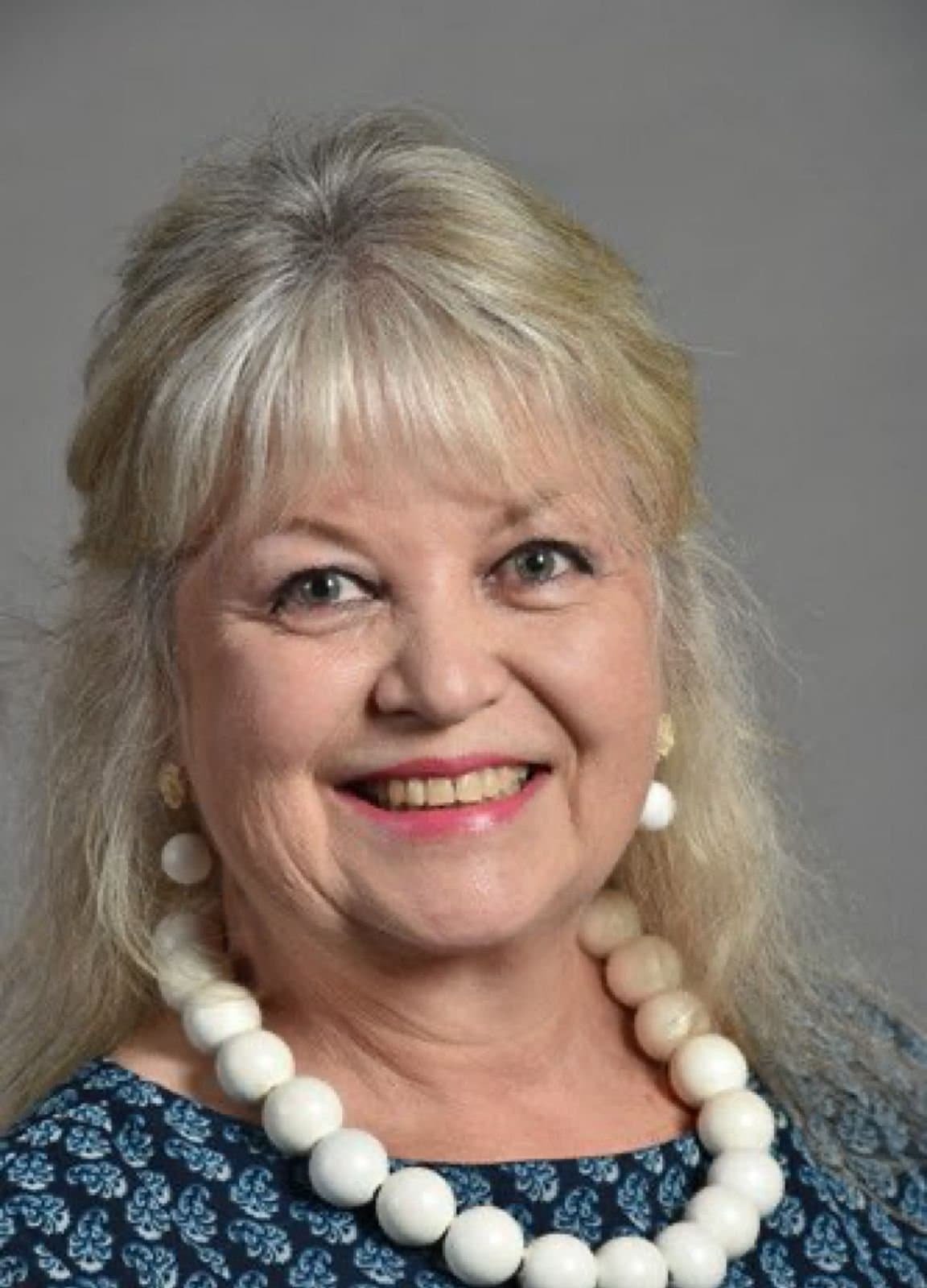
Committee member and Democratic Alliance MP Dianne Kohler Barnard said she expects Mkhwanazi to address the accusations he made against her at the Madlanga Commission. Speaking to Newzroom Afrika, she said she hopes the general will retract what she called “false and defamatory claims.”
“I am hoping that perhaps tomorrow he will apologise and retract the claim that he made at the Madlanga Commission where he accused me of unlawfully using classified information and being part of a criminal syndicate. We will see tomorrow,” Kohler Barnard said.
Mkhwanazi had told the commission that Kohler Barnard allegedly accessed and used classified intelligence documents to attack the Crime Intelligence Unit during a previous parliamentary inquiry — a claim she strongly denies.

Sources close to the committee say Tuesday’s session is expected to be tense, as MPs from various parties press Mkhwanazi to substantiate his allegations with evidence.
Despite facing criticism from some quarters, Mkhwanazi has won significant public support for his outspoken stance against corruption within the police. Civil society groups, anti-crime activists, and members of the public have praised him for what they describe as his “courage to speak truth to power.”
Social media campaigns under the hashtag #StandWithMkhwanazi have gained traction since his July press conference.
One political analyst told journalists that Mkhwanazi’s appearance before Parliament marks “a crucial test for institutional accountability.”
“This is about more than one general. It’s about whether Parliament and the executive are serious about confronting the corruption that has hollowed out the police and justice system,” she said.
Mkhwanazi’s credibility within the police service has been bolstered by his record of leadership, particularly his role in overseeing the Political Killings Task Team (PKTT), which has secured several high-profile arrests linked to political assassinations in KwaZulu-Natal.
Since its reactivation, the PKTT has reportedly solved over 30 politically motivated murders, including cases linked to intra-party disputes in eThekwini, Msunduzi, and Newcastle. Mkhwanazi has consistently argued that such killings are often “symptoms of deeper criminal capture” within political structures.
“Our successes in the PKTT show that we can dismantle these networks — but only if we are allowed to do our work without political interference,” he told the Madlanga Commission in September.
As Parliament’s Ad Hoc Committee begins its hearings, pressure is mounting on both law enforcement and political leaders to demonstrate accountability.
The committee is expected to sit for the rest of the week, with additional witnesses — including senior SAPS and State Security Agency officials — scheduled to testify later this month.
For many South Africans, Mkhwanazi’s testimony could mark a turning point in confronting entrenched corruption within the justice cluster. Whether it leads to reform or retaliation remains to be seen.

