


President Donald Trump’s foreign policy pronouncements present a chaotic search for meaning. His threats against South Africa, Nigeria and Afghanistan, coupled with the termination of AGOA and “crazy” tariffs, seem inconsistent. However, reading this as a complex strategy grants it undue sophistication. The driving force is not a nuanced doctrine but a raw thirst for… Continue reading The Platinum Price: What Trump’s G20 Rant Really Costs
Author: SIYABONGA HADEBE
Makate Injustice: Please Call Me Later


Large multinationals hate to be taken to court, this announcement was quite expected. For matters involving justice and human dignity, they’d rather settle out of court. The recent court outcome, where the court imposed a R13m legal bill, may have had something to do with forcing the expensive Mr Nkosana Makate to sign. This corporate… Continue reading Makate Injustice: Please Call Me Later
The Constitutional Court has Ruled that Men may Legally Adopt their Wives’ Surnames: What’s in a Name?

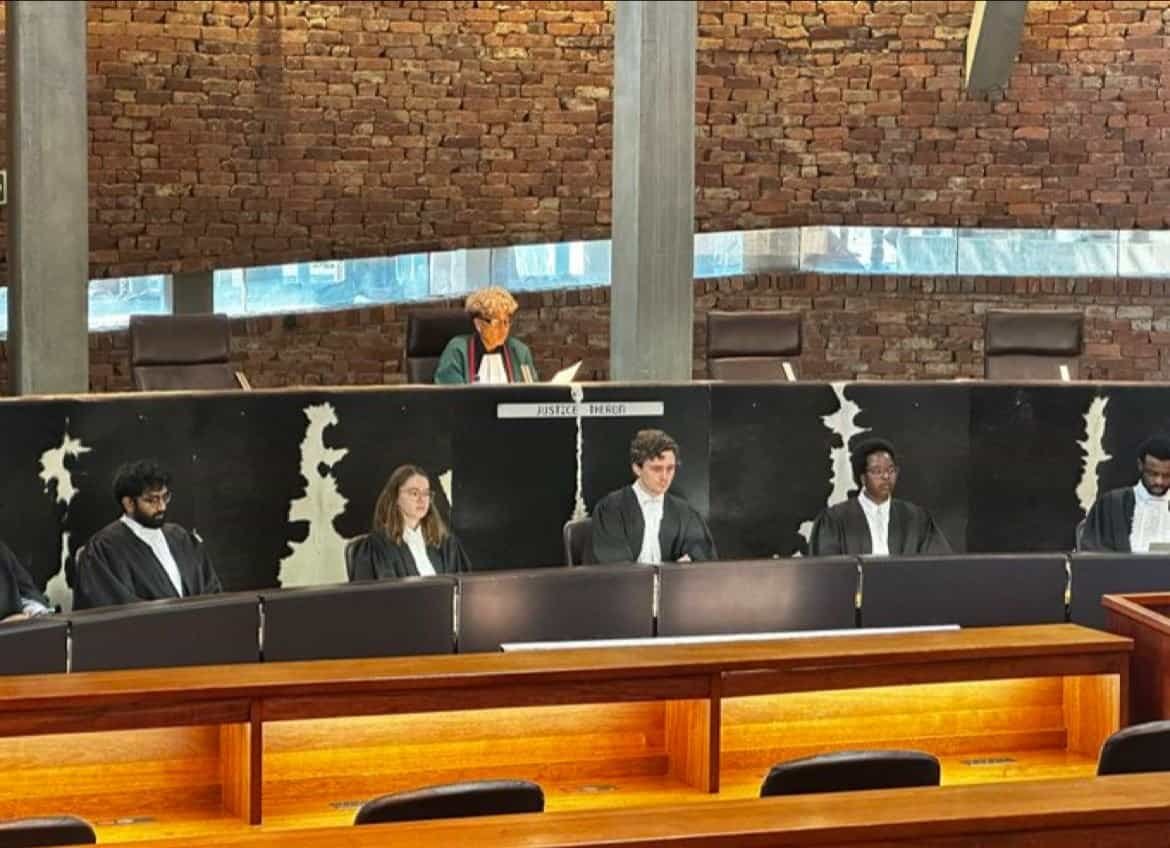
In a landmark ruling that champions equality, the Constitutional Court has declared that men may legally adopt their wives’ surnames. This decision, which strikes down archaic and discriminatory provisions of the Births and Deaths Registration Act, is rightly celebrated as a victory for human dignity and a blow to patriarchal norms. But to fully appreciate… Continue reading The Constitutional Court has Ruled that Men may Legally Adopt their Wives’ Surnames: What’s in a Name?
Slavery, the Great Trek and the Making of South Africa’s Labour Economy


The reason for the Great Trek is also not fully explained. Indeed, the British abolished slavery through the 1807 Slavery Act, which made the buying and selling of enslaved people illegal within the British Empire, but did not end the practice of slavery. It must be noted that this was not an act of altruism… Continue reading Slavery, the Great Trek and the Making of South Africa’s Labour Economy
The Gilded Gavel: How Private Funding Shackles Africa’s Beacon Court to Re-colonial Shadows


The Constitutional Court of South Africa stands as a potent symbol of hard-won freedom, a gleaming architectural and jurisprudential rebuke to apartheid’s tyranny. Its rulings on socio-economic rights, dignity and equality promised a rupture from a past where the state – the colonial and apartheid corpus– stood irrevocably alienated from, and hostile to, the Black… Continue reading The Gilded Gavel: How Private Funding Shackles Africa’s Beacon Court to Re-colonial Shadows
How Neoliberal Dogma and its GDP, Jobs Mirage Continue to Betray SA’s Liberation Promise


Economists and analysts habitually compare presidential GDP records: Nelson Mandela (2.7%), Thabo Mbeki (4.2%), Jacob Zuma (1.7%) and Cyril Ramaphosa (0.6%). This spectacle reduces complex national journeys to a neoliberal scorecard, obscuring the ongoing structural effects of apartheid behind sporadic growth spurts. As Joseph Stiglitz aptly notes, GDP measures “everything except that which makes life… Continue reading How Neoliberal Dogma and its GDP, Jobs Mirage Continue to Betray SA’s Liberation Promise
From ‘Black Englishmen’ to Black Diamonds: History of Elite Pact-Making and Majority Black Exclusion in South Africa


South Africa’s century-long tradition of elite pact-making began with the 1910 Union, which forged white unity through excluding black South Africans from political life. In response, black elites—mostly Christianised African professionals and chiefs, collectively known as amazemtiti or ‘Black Englishmen’—formed the ANC in 1912, hoping to counter this settler compact through petitions and appeals to… Continue reading From ‘Black Englishmen’ to Black Diamonds: History of Elite Pact-Making and Majority Black Exclusion in South Africa
How Commissions in South Africa Perpetuate Systemic Violence and Delay Justice


Former EFF politician Mbuyiseni Ndlozi argues that a president cannot find anyone guilty, advocating instead for proper judicial commissions of inquiry, led by a judge, with strict timelines. He deems this “PROPER” for a democracy. However, the subsequent analysis of South African commissions reveals how they often fall short of this ideal, instead perpetuating systemic… Continue reading How Commissions in South Africa Perpetuate Systemic Violence and Delay Justice
The Statistical Mirage: Why Capitec’s CEO Is Forcing SA to Rethink Its Unemployment Narrative


The outcry was swift when Capitec CEO Gerrie Fourie dared to challenge South Africa’s sacred unemployment statistic. “The unemployment rate is probably actually 10%,” he contended, arguing that Stats SA’s headline figure of 32.9% ignores the vibrant informal economy where “everyone is doing something.” Critics were quick to dismiss him as ignorant, unscientific, even a… Continue reading The Statistical Mirage: Why Capitec’s CEO Is Forcing SA to Rethink Its Unemployment Narrative
Do Overhyped Graduations Numb Black Youth to Systemic Exclusion and University Failure in South Africa?


Autumn graduation ceremonies at South African universities have become a celebration, joy and cultural display spectacle. Dancing, ululating and traditional performances such as indlamu fill auditoriums and social media feeds. On the surface, these jubilant ceremonies reflect pride and achievement, especially among Black students who have traversed significant socio-economic and structural hurdles to obtain their… Continue reading Do Overhyped Graduations Numb Black Youth to Systemic Exclusion and University Failure in South Africa?