


tvBrazil has launched a new national programme aimed at strengthening the preservation and management of archaeological heritage across the country. The initiative focuses on technical visits to strategically important archaeological sites in order to identify, systematise and disseminate best practices developed in different regions. This is reported by Brasil 247, a partner of TV BRICS.
The first phase of the programme took place at Serra da Capivara National Park in the state of Piaui. The area is internationally recognised for its exceptional archaeological value and is listed as a UNESCO World Heritage Site. The pilot mission marks the starting point for a broader effort to improve national policies related to the conservation, governance and public engagement of archaeological sites.
During the fieldwork, specialists conducted on-site inspections of key locations, research facilities, museums and surrounding communities. The team held discussions with researchers, site managers and local residents to better understand established approaches to conservation and the social use of archaeological heritage.
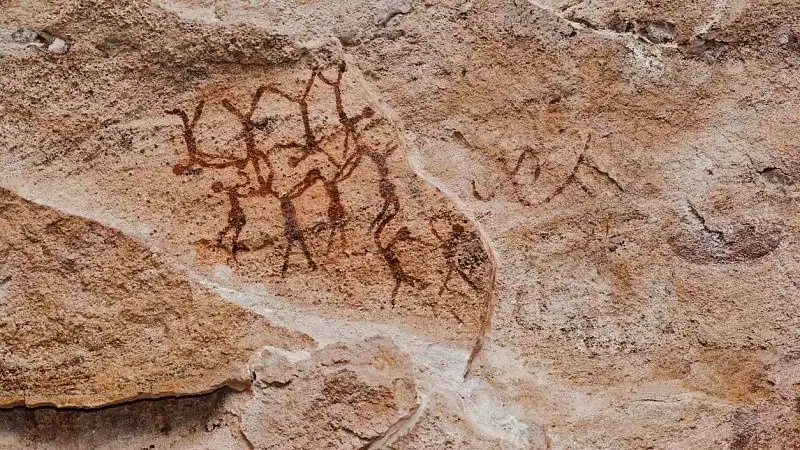
Experts involved in the programme emphasised that direct engagement with territories is essential for shaping effective national guidelines. According to specialists, Serra da Capivara represents a “living laboratory” where decades of research, preservation and visitor management offer valuable lessons that can be adapted to other regions of Brazil. Its rock paintings are estimated to be up to 30,000 years old, making the park a reference point for international archaeological research.
The technical agenda included visits to sites of high scientific importance, as well as exchanges with academic institutions and community-led initiatives focused on heritage protection and sustainable tourism. These interactions provided insight into professional training, ongoing research and models of community participation in site management.
Authorities plan to expand the programme in 2026, extending technical visits to other parts of the country and covering a wide range of ecosystems, archaeological typologies and management models. The long-term objective is to establish a national network for knowledge exchange among researchers, public authorities and local communities.
African Times published this article in partnership with International Media Network TV BRICS

