


South Africa’s much-anticipated Judicial Commission of Inquiry into Criminality, Political Interference and Corruption in the Criminal Justice System has been hit by a major setback after it was forced to postpone its hearings, which were due to begin on 1 September 2025.
The Commission, chaired by Justice Mbuyiseli Madlanga, confirmed on Tuesday that hearings cannot proceed because the Department of Justice and Constitutional Development failed to deliver on key infrastructure commitments needed for the inquiry to operate.
“Were it not for the lack of requirements that the Department has failed to procure, the Commission would otherwise have been ready to commence the hearings on 1 September,” Justice Madlanga said in a strongly worded statement.
The Commission was set up earlier this year following growing public outrage over allegations that criminal syndicates, corrupt officials, and political figures have infiltrated and manipulated South Africa’s justice system. In basic terms, the inquiry is supposed to investigate: Criminality in the justice system: whether police, prosecutors or even judges are involved in, or protecting, criminal networks. Political interference: whether politicians have been meddling in investigations and prosecutions, shielding allies or targeting opponents, and Corruption: how bribery, tender fraud and backroom deals have undermined the ability of the justice system to protect ordinary South Africans.
In short, the inquiry is about exposing how crime, politics, and corruption may have captured South Africa’s justice system — and what needs to change.
The Commission was given a short time frame – just three months to deliver an interim report – to ensure the public could see progress quickly. The delay now eats into that deadline, raising concerns about whether the inquiry will be able to complete its work on time.
To ordinary citizens, the postponement may sound like a simple scheduling issue. But in reality, it means that witnesses who were prepared to testify will have to wait longer, evidence timelines will be disrupted, and the credibility of the Commission could be questioned.
It also means that the three-month countdown has already started ticking, but not a single witness has yet been heard.
“A substantial portion of the three-month period at the end of which the Commission is expected to submit an interim report has gone by without the Commission having heard a single witness. This is not of the Commission’s making,” Justice Madlanga stressed.
Put plainly, this is like a high-profile trial where the judge, lawyers and witnesses are ready, but the courtroom itself hasn’t been built. Without proper infrastructure – offices, IT systems, and secure spaces for testimony – the inquiry simply cannot function.

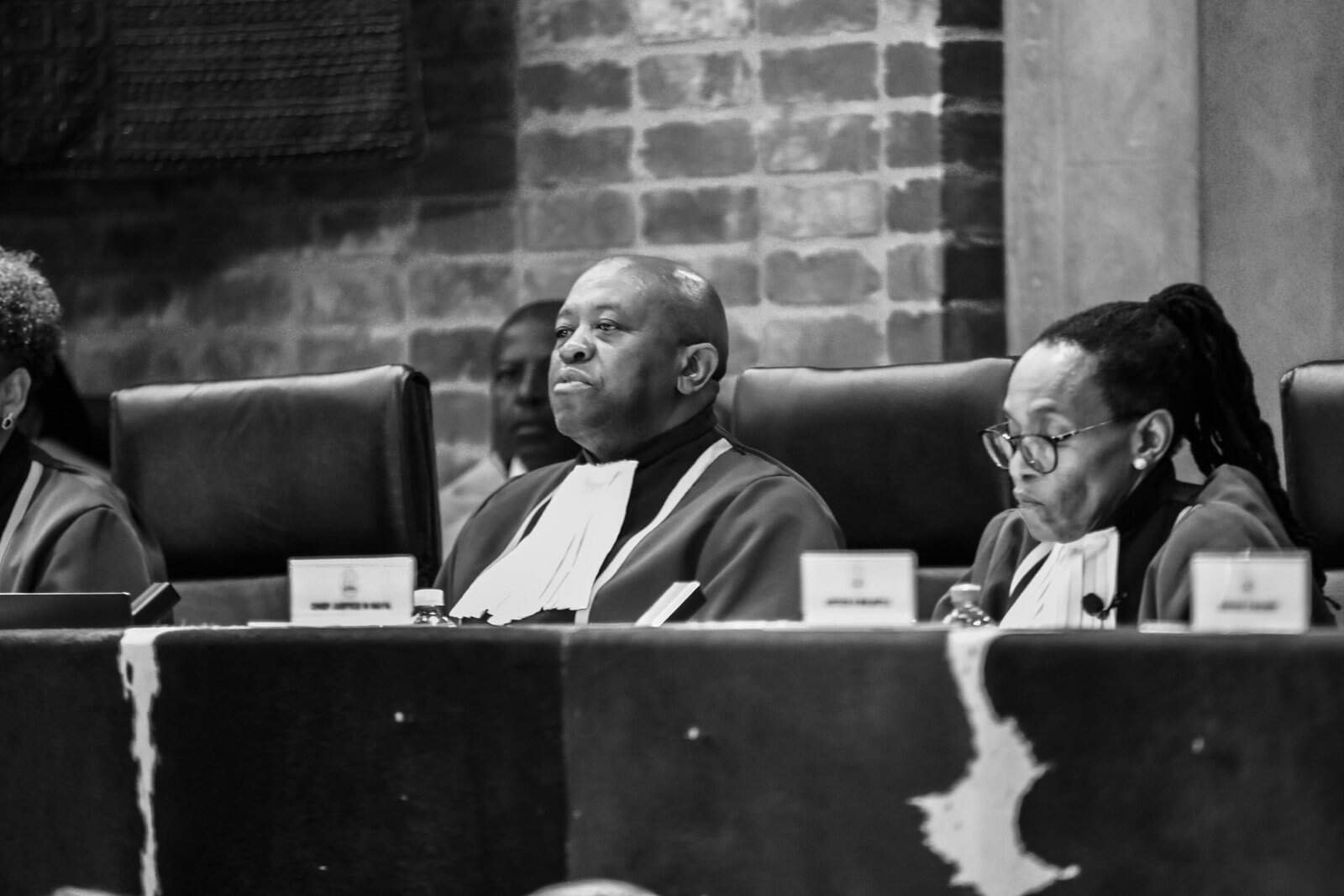
Civil society groups and legal experts have already expressed frustration at the delay. For many South Africans, this inquiry represents a last chance to clean up a justice system that has been repeatedly accused of failing to prosecute politically connected criminals.
Analysts warn that every delay risks eroding public trust. “If the Commission cannot even get started on time, it raises doubts about whether it will have the teeth to confront the very people undermining justice,” one legal expert told journalists.
Thabo Ndlovu, Civil Society Activist:
“Ordinary South Africans are tired of inquiries that drag on. We need answers, not excuses. Criminals and politicians who abuse the system must know their day of reckoning is coming.”
Community Comment on Social Media:
“If the Department can’t even set up chairs and offices for the inquiry, how are we supposed to believe they can fight corruption?”
The Commission has not set a new date for the start of hearings. Instead, it says it will only announce a timeline once all infrastructure is in place. This cautious approach is aimed at preventing another embarrassing postponement.
Justice Madlanga has assured South Africans that his team is “doing everything within its power” to ensure that the first witness will take the stand as soon as possible.
For now, however, the setback serves as a reminder of how fragile efforts to reform South Africa’s justice system remain – and how logistical failures, even before testimony begins, can slow down the fight against corruption and political interference.
Timeline of the Justice Inquiry
- June 2025 – President announces a Judicial Commission of Inquiry into Criminality, Political Interference and Corruption in the Criminal Justice System.
- July 2025 – Justice Mbuyiseli Madlanga appointed as Chairperson; three-month deadline for an interim report set.
- 20 August 2025 – Commission announces hearings will start on 1 September 2025, after commitments from the Department of Justice to provide infrastructure.
- 26 August 2025 – Commission confirms hearings postponed due to Department’s failure to deliver infrastructure. No new date announced.

