


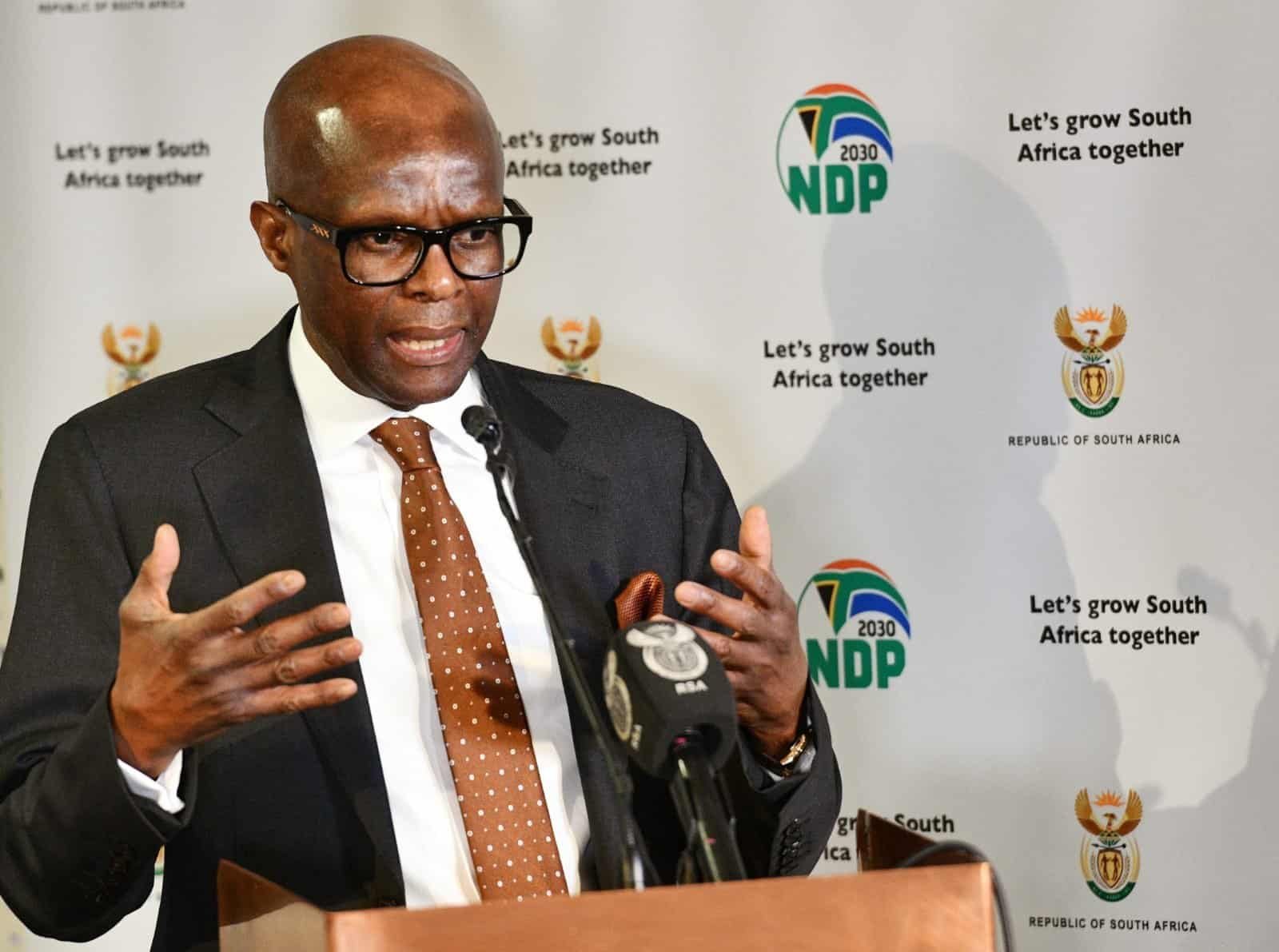
Former Deputy Minister of Correctional Services Thabang Makwetla appeared before the Palm Ridge Specialised Commercial Crimes Court on Wednesday, facing charges of fraud and contravening the Prevention and Combating of Corrupt Activities Act (PRECCA). His appearance marks the latest in a string of prosecutions linked to the explosive BOSASA scandal, which continues to implicate senior political figures years after it first broke.
Makwetla, who handed himself over at the Brackendowns SAPS on Wednesday morning, was granted R10 000 bail. The matter has been postponed to November 4, 2025, for disclosure of the state’s case.
The charges stem from a 2015 incident in which BOSASA allegedly funded security upgrades to his private residence, valued at approximately R350 000. The state contends that Makwetla not only accepted this benefit unlawfully but also failed to declare it in Parliament over a period of four years, in violation of the Members of Parliament Code of Ethical Conduct and Disclosure of Members’ Interests.
According to Investigating Directorate Against Corruption (IDAC) spokesperson Henry Mamothame, the matter is about more than one individual—it is about accountability. “The former deputy minister’s failure to disclose this benefit constitutes both a criminal offence and a breach of the public trust,” Mamothame said. “The IDAC is committed to ensuring that those who abuse their positions of power for personal gain are held accountable, regardless of their former status.”
The prosecution argues that the home upgrades were part of a broader BOSASA strategy to secure political influence and protect the company from scrutiny, a tactic that has been confirmed by previous testimony at the Zondo Commission.
Makwetla’s legal team indicated in court that he intends to plead not guilty. They maintain that the upgrades were unsolicited and that he did not request or initiate them. According to the defence, the former deputy minister was “caught in a web of BOSASA’s largesse” rather than being an active participant in corrupt dealings. They are expected to argue that his failure to declare the upgrades was an oversight, not a deliberate act of concealment.
Privately, the defence team has also suggested that the prosecution is attempting to make an example of Makwetla while others who were more directly involved in BOSASA contracts remain outside the courtroom.
Makwetla’s case reopens old wounds from the BOSASA saga, which exposed the extent of corporate capture and its corrosive effect on governance in South Africa. Political analysts note that the prosecution of a former deputy minister sends a strong signal that the state intends to continue pursuing senior figures implicated in corruption, even years after they have left office.
A legal analyst, speaking broadly about cases like this, explained: “The Makwetla matter is significant because it tests how far South African courts are willing to enforce accountability for ethical violations that straddle both criminal law and parliamentary codes. If the prosecution is successful, it will set a precedent for how benefits from companies like BOSASA must be treated—particularly where disclosure obligations were ignored.”
The analyst added that while the sums involved may appear modest compared to the billions siphoned off through state capture, the principle at stake is enormous: “This is about whether senior leaders can escape accountability for smaller benefits while companies systematically bought influence through these perks.”
Wider Context: BOSASA’s Shadow
The case also places Makwetla alongside a long list of politicians tainted by BOSASA’s web of patronage. Former BOSASA COO Angelo Agrizzi, whose testimony at the Zondo Commission blew the lid off the company’s dealings, implicated numerous ANC leaders and government officials, from correctional services to security contracts.
While Agrizzi himself faced prosecution before his ill health curtailed proceedings, Makwetla’s case shows that the fallout from BOSASA is far from over. Other political figures have either avoided trial or seen charges stalled, leading critics to argue that accountability has been uneven.
Political Implications
For the ruling ANC, Makwetla’s trial could not come at a worse time. With the 2026 local government elections looming, the party continues to grapple with the perception that corruption was endemic under its watch. Even though Makwetla no longer holds public office, the spectacle of a former deputy minister appearing in court on corruption charges is certain to reignite public anger about ethical failures at the top.
For Makwetla personally, the stakes are high. A guilty verdict could not only tarnish his legacy but also reinforce the idea that even relatively “low-level” benefits from BOSASA were part of a larger system of undue influence that compromised governance.
As the matter moves toward disclosure and trial, one thing is clear: the BOSASA scandal remains a political and legal ghost that continues to haunt South Africa, long after the company’s collapse.

