


The release of the Special Investigating Unit’s (SIU) interim report into corruption at Tembisa Hospital has unleashed a political storm, with opposition parties accusing President Cyril Ramaphosa’s administration of shielding the politically connected while failing to deliver justice for slain whistleblower Babita Deokaran.
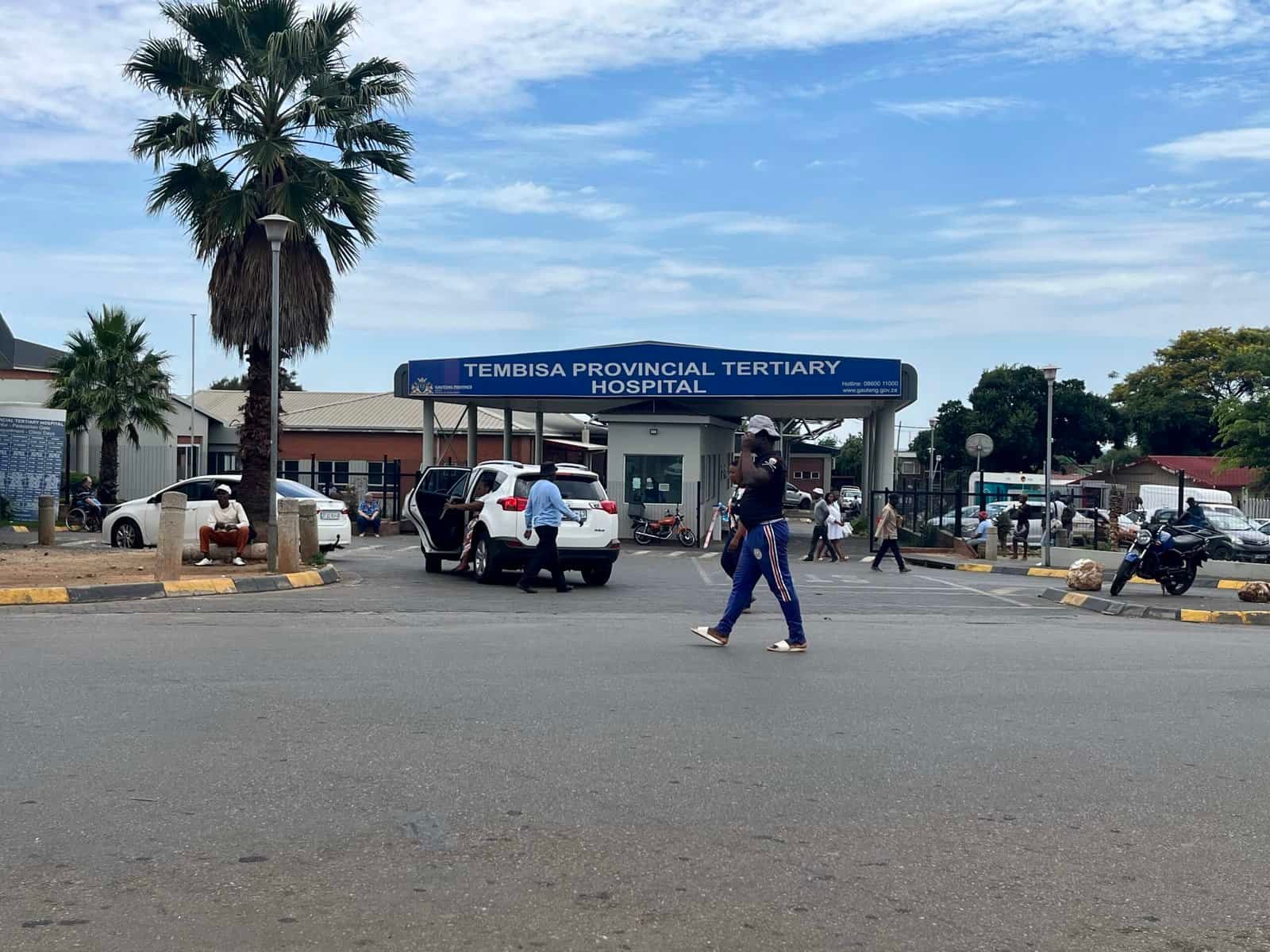
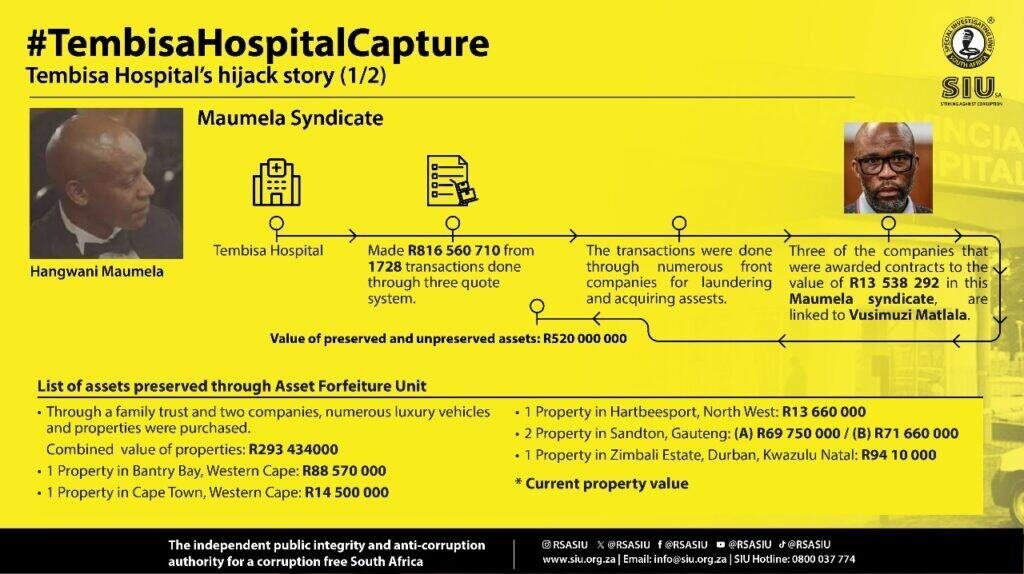
The SIU report, presented on Monday by head Advocate Andy Mothibi alongside Health Minister Dr Aaron Motsoaledi, details the extent of the looting at the embattled hospital. Investigators uncovered three major syndicates that siphoned more than R2 billion through rigged procurement processes, fraudulent contracts, and collusion between suppliers and state officials.
Among the most startling revelations is the direct link between hospital contracts worth at least R415 million and companies associated with Morgan Hangwani Maumela — (Allegedly) President Ramaphosa’s nephew. Businessman Vusimuzi “Cat” Matlala, already infamous for alleged ties to police and political syndicates, was also named. The SIU confirmed that more than 15 current and former government officials remain under investigation for active participation in fraud and money laundering schemes.
MK Party: “State Capture in its Purest Form”
The uMkhonto weSizwe (MK) Party condemned what it called the protection of Ramaphosa’s nephew and demanded immediate arrests. “This is not a matter of further investigation; it is a matter of action,” said MK spokesperson Nhlamulo Ndhlela.
The party said the SIU report vindicates the late Babita Deokaran, who flagged suspicious contracts before her assassination in August 2021. “Babita was assassinated because she dared to speak out against this mafia,” the statement read. “Until the heads of this snake are severed, not just its sacrificial tails, there will be no justice, no service delivery and no peace.”
The MK Party called for an ad hoc parliamentary committee to probe the role of senior political leaders and accused the National Prosecuting Authority (NPA) and the Hawks of dragging their feet.

EFF: “Hospitals Looted While the Poor Suffer”
The Economic Freedom Fighters (EFF) said the revelations confirmed what it had long warned about: that the collapse of South Africa’s health system is not caused by overburdened facilities or foreign nationals but by entrenched corruption.
“Patients are dying in overcrowded hospitals not because there is no budget, but because the money is looted by politicians and their criminal partners,” the EFF said in a statement.
The party alleged that funds looted from hospitals may have been channelled into ANC election campaigns through the sealed CR17 documents. It demanded asset seizures, prosecutions, and full recovery of stolen funds to rebuild hospitals. “We are outraged that our very own President’s family are implicated in stealing from hospitals while the poor are told there is no money for healthcare,” the statement read.
DA: “Justice Hangs in the Balance”
The Democratic Alliance (DA) took a more institutional approach, warning that justice will not be served unless the NPA and SAPS act decisively. “By all accounts, the looting of Tembisa Hospital involved role players in very high places,” said DA justice spokesperson Glynnis Breytenbach.
“The report by the SIU is worth as much as the paper it is written on without the SAPS and NPA doing their part in bringing those responsible to justice,” she added, accusing law enforcement of presiding over a “slow demise of the rule of law.”
The DA said South Africa could not accept another cover-up where “low-ranking criminals are sent to prison and the masterminds go free.”

A Systemic Crisis
The report revealed how syndicates manipulated procurement systems, splitting contracts to evade oversight, forging documents, and using shell companies to launder funds. One businessman, Rudolf Mazibuko, allegedly pocketed more than R280 million through such schemes.
The implications extend beyond Tembisa. Analysts warn that similar networks operate in hospitals across the country, crippling service delivery and fueling public mistrust in government institutions.
Whistleblowers Still at Risk
Civil society groups and political parties have renewed calls for stronger whistleblower protections. Deokaran’s murder remains unresolved, with her family and anti-corruption activists accusing authorities of protecting those who ordered her assassination.
“The very institutions that should have protected her are still dragging their feet,” the MK Party said. The EFF echoed this sentiment, describing whistleblowers as the “last line of defence against kleptocracy.”


Mounting Pressure on Ramaphosa
The allegations against Maumela place unprecedented pressure on President Ramaphosa, who has built his political brand on an anti-corruption platform. While the Presidency has yet to respond directly to the SIU findings, opposition parties are framing the scandal as evidence that corruption reaches the highest office.
With billions looted, lives lost, and South Africa’s health system left in crisis, the SIU report has become more than an audit of procurement irregularities — it is now a test of political will, institutional integrity, and the future of accountability in the country.
As Babita Deokaran’s name resurfaces in public debate, her murder remains a haunting reminder of the cost of speaking truth to power. The question now is whether those who benefited from the looting she exposed will finally face justice — or whether South Africa will witness yet another chapter of impunity.

