


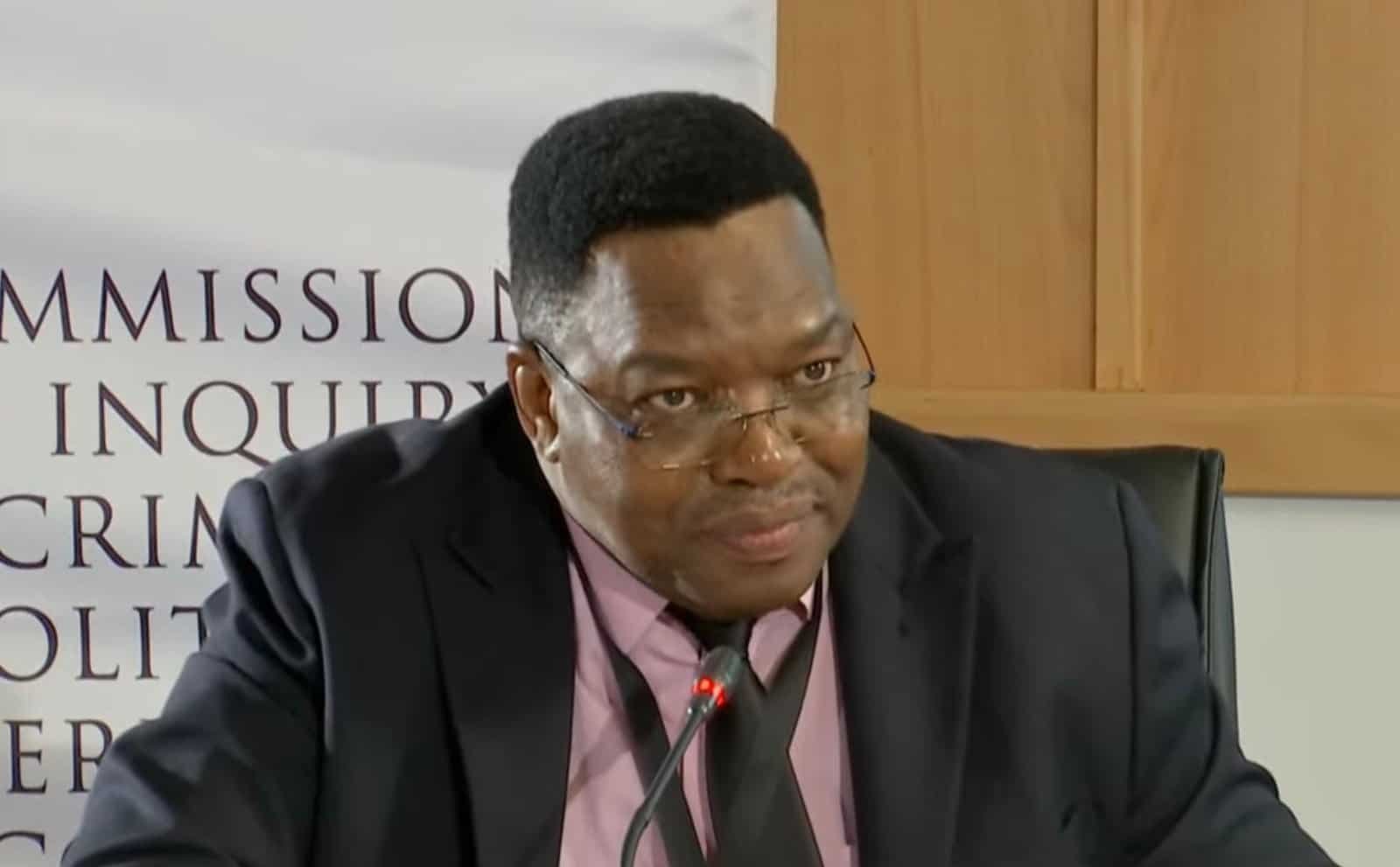
The South African Police Service’s Political Killings Task Team (PKTT), which once stood at the forefront of tackling KwaZulu-Natal’s deepening crisis of assassinations, continues to make headlines months after its controversial disbandment. Its successes, failures, and the political battles surrounding it are now under the microscope at the Madlanga Commission of Inquiry, where top police generals and suspended politicians have been called to account.
This week, the Pietermaritzburg High Court handed down a double life sentence to notorious hitman Sabelo Phewa for the murders of Richmond municipal manager Sibusiso Sithole and businessman Amos Ngcobo. Phewa’s conviction was the direct result of the task team’s painstaking investigations, which linked him to several contract killings across KwaZulu-Natal. He was also sentenced to an additional 25 years for attempted murder, firearm possession, and unlawful possession of ammunition.
National Police Commissioner General Fannie Masemola hailed the ruling as proof that the task team’s work had lasting impact. “The number of life sentences secured by the task team is now more than 30. Through this case, we were able to link and solve other murders, bringing justice and closure to families. Well done to the SAPS Political Killings Task Team,” said Masemola.
The PKTT was established in 2018 as political violence surged in KwaZulu-Natal, particularly in municipalities plagued by corruption and intra-party rivalries. Its mission was to investigate and dismantle hit squads that had infiltrated local politics. One of its early breakthroughs was exposing the involvement of politicians and municipal officials in orchestrating assassinations to protect corrupt networks.
Yet, despite its track record of convictions, the task team was controversially disbanded in December 2024. At the time, critics alleged political interference and a lack of political will to confront the deeper networks of patronage that the investigations were beginning to unravel. The closure of the unit raised alarms among civil society and community leaders who argued that KwaZulu-Natal’s crisis of political killings would worsen without a specialised team.
It is precisely these allegations of interference and obstruction that have now come before the Madlanga Commission of Inquiry, chaired by Justice Mbuyiseli Madlanga. Established in August 2025 by President Cyril Ramaphosa, the commission is probing whether senior political leaders and police officials suppressed investigations to shield powerful figures implicated in political killings and corruption.
So far, two senior police leaders have testified. KwaZulu-Natal Provincial Commissioner Lieutenant General Nhlanhla Mkhwanazi painted a grim picture of systemic corruption and political meddling. He told the commission that investigators who pushed too close to exposing political figures faced intimidation, transfers, and suspensions. Mkhwanazi singled out cases where evidence was deliberately “sidelined” to protect individuals in high office.
National Commissioner Masemola, in his testimony, acknowledged both the successes and the challenges the task team faced. While commending its record of convictions, he admitted that the unit operated under intense political pressure. “The operational command of the PKTT was structured to ensure clear lines of authority and effective coordination of activities,” Masemola told the commission. But he conceded that these lines were sometimes blurred when “political sensitivities” arose.
Suspended Police Minister Senzo Mchunu and General Shadrack Sibiya have also been fingered in the inquiry. Evidence before the commission suggests that Mchunu and Sibiya were implicated in efforts to interfere with or derail sensitive investigations.
The task team’s disbandment remains a contentious issue. For families of victims, like that of slain municipal manager Sithole, the recent conviction of Phewa is bittersweet. While justice was finally served, they remain haunted by the fear that without a dedicated task team, many similar cases may never reach the courts.
Civil society organisations have called on the commission to recommend the re-establishment of a permanent specialised unit to tackle political killings. They argue that general policing structures are ill-equipped to investigate networks that span local government, police structures, and political party machinery.
For now, the Madlanga Commission has opened a window into the darker intersections of politics, policing, and organised crime. Its findings could reshape how South Africa confronts political violence going forward. As testimony continues, the names of hitmen like Sabelo Phewa serve as chilling reminders of how contract killings have been weaponised in the country’s politics – and how fragile justice remains when political interests are at stake.

