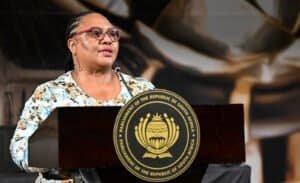
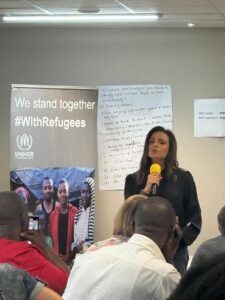
The South African Human Rights Commission (SAHRC) and Union Against Hunger have released a report following a webinar examining the right to food and food sovereignty in South Africa. The event, held on Friday, 28 November 2025, highlighted the escalating hunger crisis in the country and explored ways to move beyond conventional discussions on food security.
The webinar focused on the concept of food sovereignty, which emphasises the right of communities to define their own food systems, control resources such as land and seeds, and produce food in ways that are ecologically sustainable and culturally appropriate. Organisers said this approach is essential for addressing the structural inequalities that underpin hunger in South Africa.
During the discussions, speakers framed food insecurity within the context of South Africa’s constitutional obligations, noting the failure of current policies to adequately address hunger. They also highlighted the growing threats posed by climate change, economic inequality, and corporate dominance in the food sector.
The report concludes that hunger in South Africa is not simply a matter of food availability, but a consequence of deep social and economic injustice. “The state’s duty is not only to feed but to create the conditions for people to feed themselves,” the report notes. Participants emphasised that without addressing land reform and tenure security, other interventions are unlikely to achieve meaningful change.
Among the recommendations emerging from the webinar, the SAHRC was urged to advocate for a comprehensive Framework Law on the Right to Food. Such legislation would operationalise Section 27 of the Constitution, which guarantees the right to sufficient food and water. The Commission was also encouraged to actively investigate corporate practices that undermine food access, including anti-competitive behaviour, profiteering, and the marketing of unhealthy foods, which could constitute violations of human rights.
Union Against Hunger and the SAHRC stressed that food sovereignty is central to empowering communities and achieving sustainable solutions to hunger. They called for multi-stakeholder collaboration, stronger policy frameworks, and greater accountability to ensure that the right to food is realised for all South Africans.
The report and webinar underscore the need for urgent action to tackle hunger, inequality, and food system injustices in South Africa. Both organisations said that the recommendations would guide future advocacy and policy interventions aimed at creating a more equitable and resilient food system.