


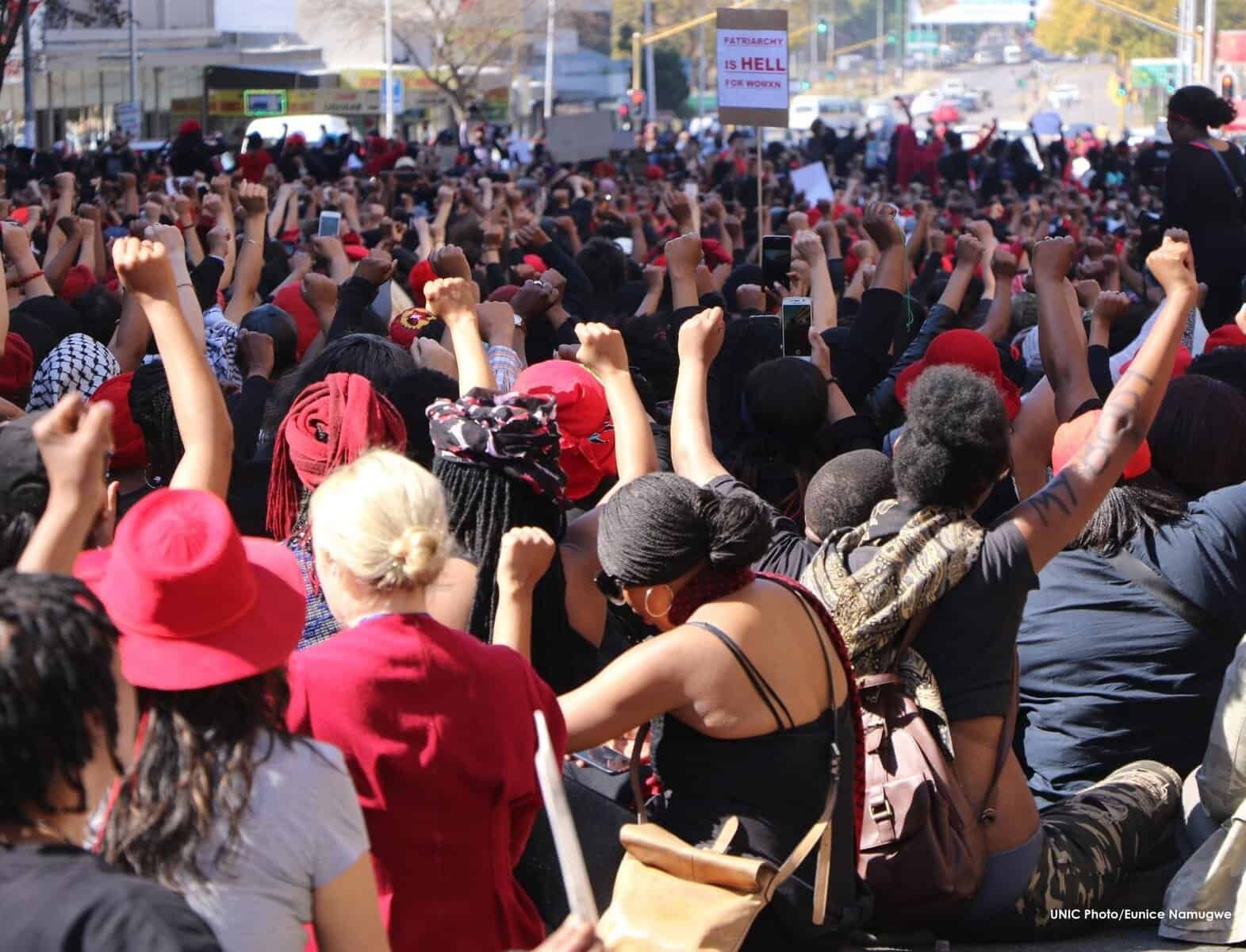
Growing up, many boys are taught, directly or indirectly that a woman is like a child. Such teachings are part of the undocumented curriculum in initiation schools where men are taught that a woman must be protected, provided for, and guided. While on the surface this might sound like care or affection, beneath it lies a toxic message: that women are not fully autonomous adults. This flawed education quietly shapes the way many men interact with women throughout their lives, often with devastating consequences.
When a man sees a woman as a child, he may also believe she owes him obedience in return for his “kindness.” Just as a man might buy sweets for a child and expect the child to run errands in return, he may believe that buying drinks or gifts for a woman entitles him to affection or even sex. This mindset fuels dangerous notions of entitlement and lays the foundation for emotional manipulation and violence.
At the core of this issue is a misunderstanding of reciprocity. A gift, whether given to a child or an adult, should not come with strings attached. But when boys are raised to believe that affection is a transaction, they grow into men who feel betrayed or disrespected when their expectations are not met. The refusal of a woman is then interpreted not as a valid expression of autonomy, but as ungratefulness against the man’s generosity.
This distorted thinking is one of the root causes of gender-based violence. When women are denied the right to say no without consequences, society fails them. Worse still, it excuses the abuser by framing his actions as a response to disrespect, rather than a choice to dominate.
Changing this narrative begins with changing how we raise boys. Boys must be taught that women are not children; they are equals. Their choices must be respected, and kindness must never be transactional. Only then can we begin to unlearn the toxic patterns that have passed from one generation to the next.
Violence against women is not just a problem of broken men. It is a problem of broken teachings. We must confront these teachings if we ever hope to raise men who love, respect, and protect. Not because they expect something in return, but because it is the right thing to do.

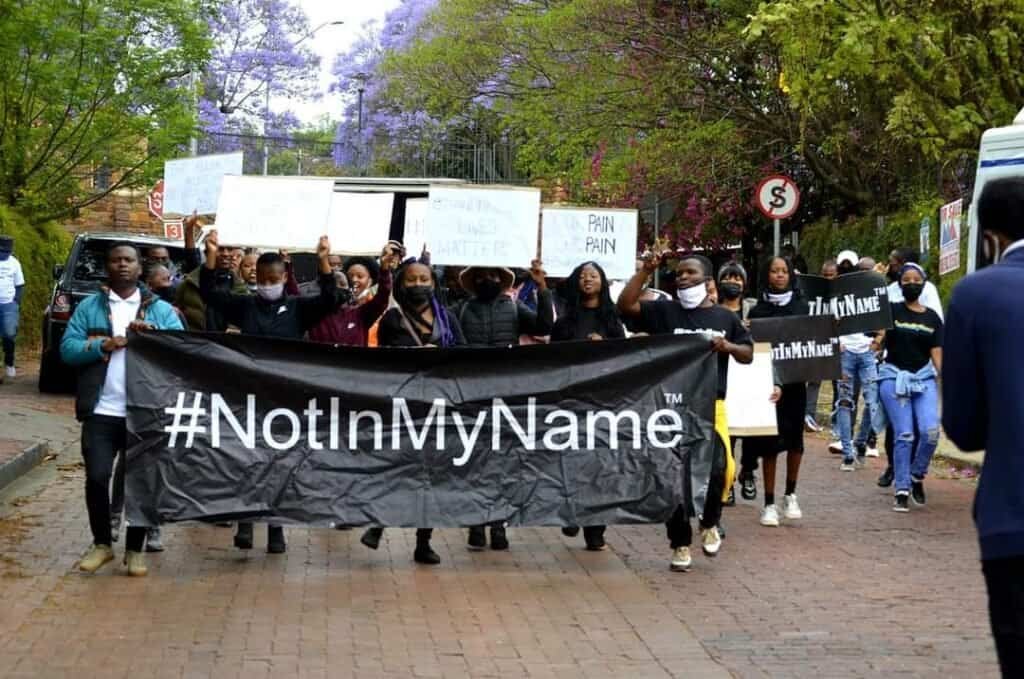
In many societies, provision is mistaken for power and power is mistaken for superiority. This belief runs so deep that the very act of giving, instead of being an act of care, becomes a tool for control. One painful example of this is seen in the role of the so-called ice-boy. An ice-boy is a figure that perfectly illustrates the link between provision and the erosion of dignity.
An ice-boy is not necessarily a boy. In fact, he may be older than the men he serves at events like after-tears gatherings. But because he has no money of his own, he becomes the errand-runner: sent to buy drinks, ice, cigarettes, and other small luxuries. Deep down in his heart, the ice-boy or ice-man knows he is being disrespected, yet he complies, because at the end of the humiliation, there is usually a reward in the form of some cash or leftover alcohol.
The story of ice-boy mirrors exactly how some men are taught to relate to women. When a man buys a woman food, drinks, or clothes, he may see himself not just as generous, but as entitled to obedience or sexual access. Because in his mind, provision makes him superior and therefore, her decisions, her voice, her “no,” becomes irrelevant.
This is why many men struggle to see someone they provide for as an equal. In their worldview, to provide is to dominate. The danger of this thinking is that it erases the humanity of others. Whether it’s the ice-boy or a woman at a tavern, the person receiving the favour is expected to surrender dignity in return.
We need to unlearn this corrosive belief that power comes through providing for others. True power lies in respect, in mutual recognition, in shared humanity. No one should have to choose between being fed and being free. Whether it’s the ice-boy or the woman refusing to go home with a man, their “no” must be heard, not punished.
Provision must never be used as a leash. Until we understand that, we will keep confusing generosity with control and dignity with debt.

Hendrick Makaneta is an education activist

