


Day two of the Madlanga Commission of Inquiry into political killings and corruption in KwaZulu-Natal delivered explosive testimony that left the chamber stunned.
KwaZulu-Natal Provincial Police Commissioner, Lieutenant General Nhlanhla Mkhwanazi, named several high-profile individuals whom he accused of benefitting from illegal privileges, interfering with crime intelligence operations, and fueling a climate of lawlessness within the criminal justice system.
At the center of his testimony was alleged underworld figure Vusimuzi “Cat” Matlala, who, Mkhwanazi claimed, enjoyed extraordinary protection and privileges from certain law enforcement officials.
“Mr Vusimuzi Matlala is one fellow that has been enjoying too much privilege from the law enforcement,” Mkhwanazi said, pausing for effect. “A typical example is that some of his personal vehicles — not just one, but four or five — were registered under the Ekurhuleni Municipality as if they were official vehicles, using municipal funds.”
Mkhwanazi went further, alleging that a senior official in the Ekurhuleni Metro Police facilitated the unlawful registration. “His personal vehicles were registered by the Deputy Chief of Police at Ekurhuleni. That is Major General Mkhwanazi. These vehicles were then fitted with blue lights that were supposed to be reserved for official law enforcement purposes. On the system, they reflected as if they belonged to the municipality,” he said.
According to Mkhwanazi, this conduct violated the Traffic Act, which strictly limits the use of blue lights to law enforcement bodies such as the South African Police Service, Metro Police, and Military Police. “You cannot just willy-nilly use a blue light,” he warned.
The timing of Mkhwanazi’s revelations could not have been more striking. Just a day earlier, the Alexandra Magistrates’ Court dismissed Matlala’s bail application. The court found him to be a flight risk with the financial means to evade trial. The National Prosecuting Authority (NPA) argued that releasing him posed a danger to witnesses. NPA spokesperson Phindi Mjonondwane welcomed the ruling. “We are satisfied the court has protected the integrity of this matter by refusing bail,” she told African Times.

Politicians under fire
Mkhwanazi’s testimony did not end with Matlala. He directly implicated politicians in undermining the integrity of South Africa’s intelligence and policing structures.
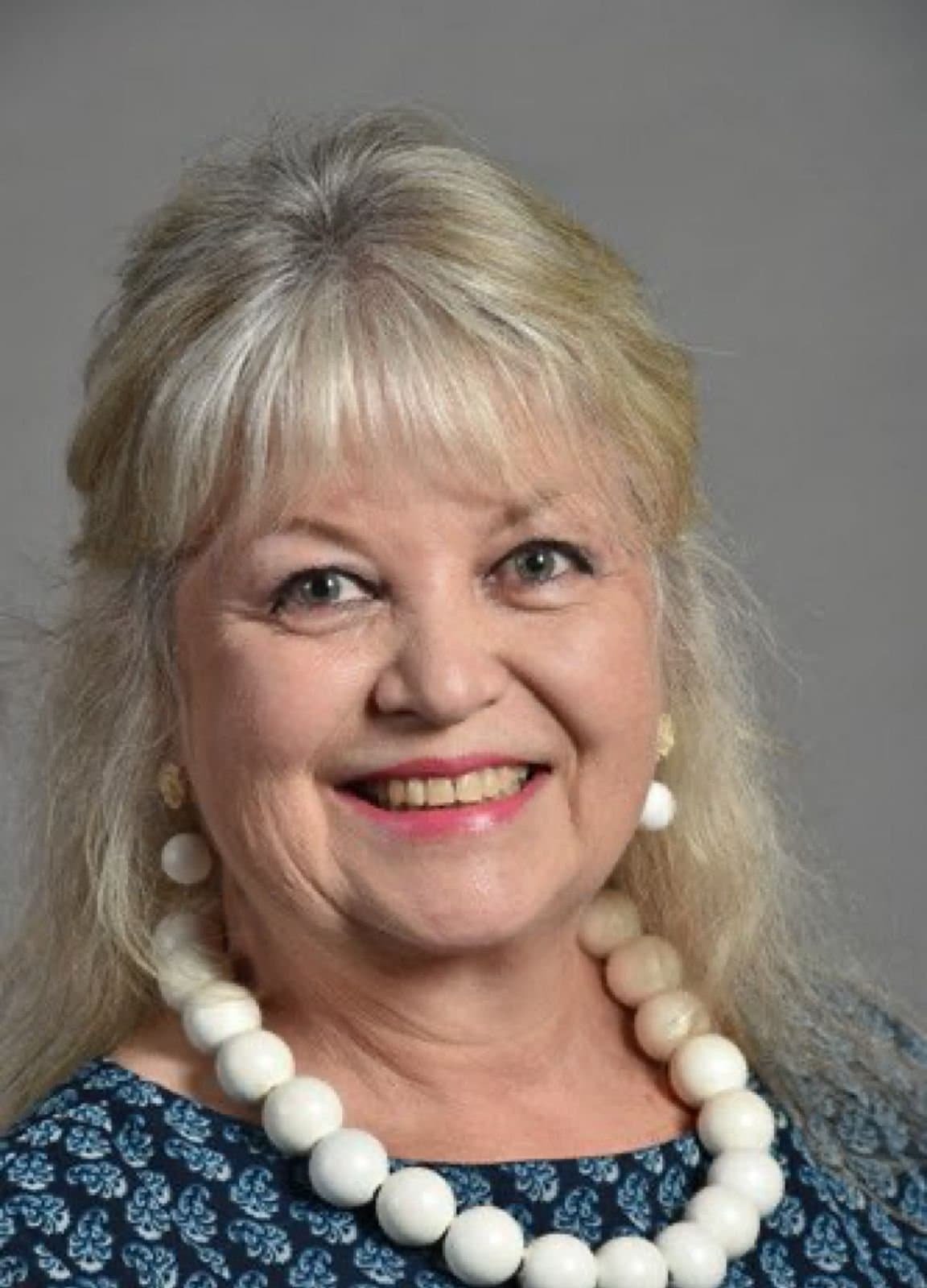
He accused Dianne Kohler Barnard, a Democratic Alliance (DA) Member of Parliament, of breaching laws governing intelligence by publicly disclosing sensitive information.
“In trying to address issues of political involvement, I must remind the commission that back in 2011 I deposited an affidavit at the Zondo Commission. Unfortunately, I was never invited to testify. The modus operandi I saw then still exists today,” he explained.
According to Mkhwanazi, Kohler Barnard failed to use the appropriate parliamentary channels, such as the Joint Standing Committee on Intelligence, to ventilate her concerns. “She has a legal obligation to keep her mouth shut and go to the joint steering committee to present and ventilate these issues. Instead, she goes public and discloses classified matters. That forces members of crime intelligence to defend themselves publicly, divulging state secrets they should not,” he said.
Kohler Barnard has since rejected the allegations, telling eNCA: “I do not leak. I have never leaked information.” She added that she would take her party’s advice on whether to appear before the commission.

Adams also implicated
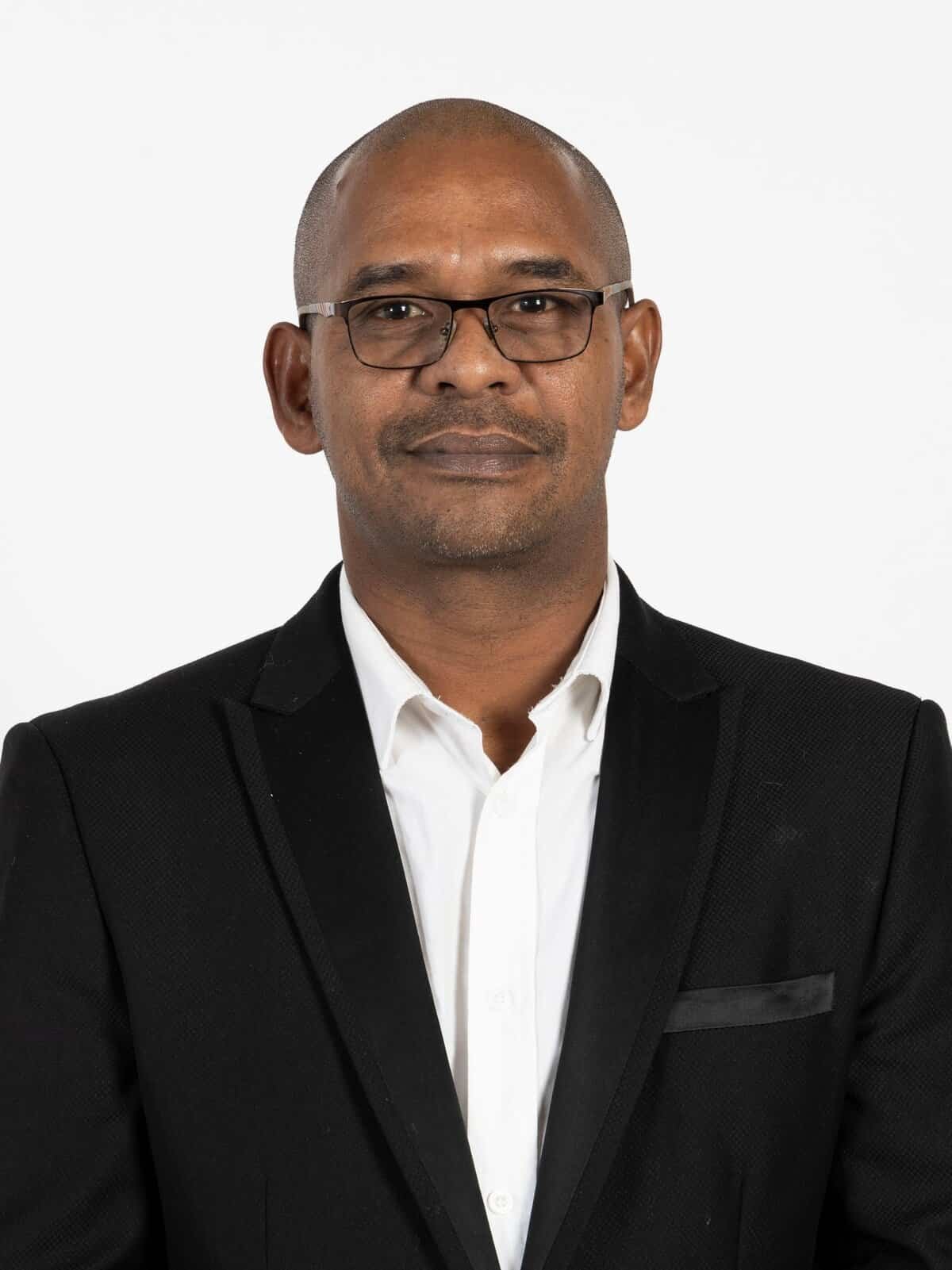
Another political figure singled out by Mkhwanazi was Fadiel Adams, leader of the National Coloured Congress (NCC). He accused Adams of accessing and using classified intelligence material recklessly.
“Mr Adams has been sharing information that he was not authorised to access. That compromises the security of the state,” Mkhwanazi told the commission.
Adams, however, dismissed the allegations, responding that he would gladly testify before the commission. “I am hoping to appear before the commission to tell my side of the story,” Adams said. “If Mkhwanazi claims to be the brave man he says he is, he must step up.”
Ministerial links
Mkhwanazi also tied his testimony to political networks, claiming that Brown Mogotsi was an associate of suspended Police Minister Senzo Mchunu. “This information was confirmed by the minister’s own Chief of Staff,” he said, adding that the close association raised questions about the independence of policing structures.
Patterns of interference
Throughout his testimony, Mkhwanazi sought to establish a pattern of political and criminal interference in law enforcement dating back more than a decade. He referenced his 2011 affidavit to the Zondo Commission as evidence that systemic manipulation of crime intelligence was not new.
“The irregularities within crime intelligence range from the police to political parties. Members are not supposed to disclose this information in public. The proper channel is the Inspector General of Intelligence and Parliament’s Joint Standing Committee,” he insisted.
Mkhwanazi further alleged that the Inspector General of Intelligence had been “captured” by politicians and used to settle scores rather than protect state security.
Commission’s reaction
The commission chamber was left in stunned silence as Mkhwanazi concluded his second day of testimony. Evidence leaders indicated that the explosive allegations against Matlala, Kohler Barnard, Adams, and Mogotsi would be followed up with documentary evidence and possible summonses for rebuttal testimony.
For now, the spotlight remains firmly on the decorated provincial commissioner, whose fearless testimony has shaken the political and policing establishment.
Day three of the Madlanga Commission is expected to hear from additional witnesses, including senior intelligence officials, as the inquiry digs deeper into allegations of political interference, corruption, and state capture within the security cluster.

