


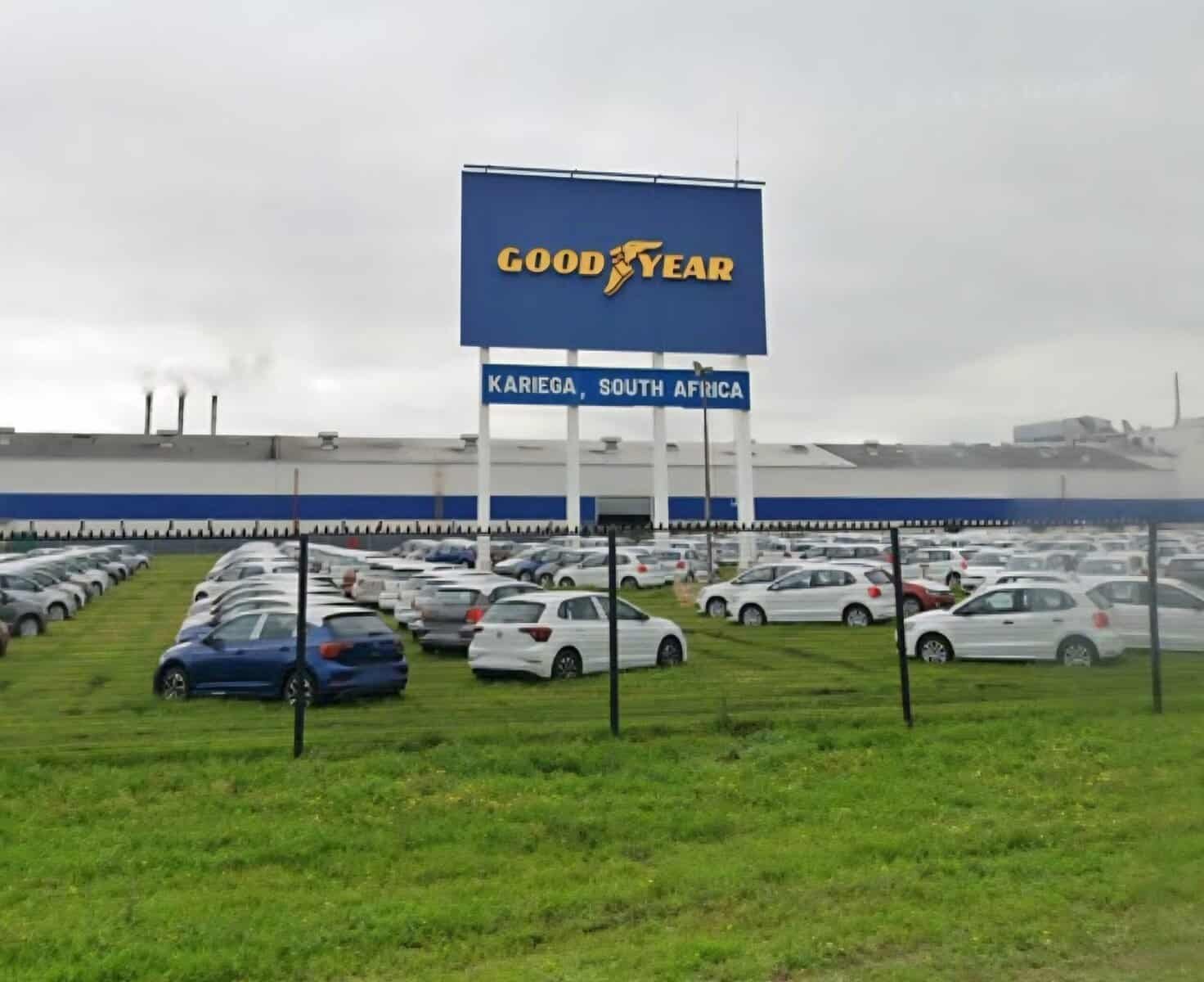
In the heart of South Africa’s Eastern Cape, where the hum of factories once promised progress and prosperity, silence now reigns. On August 16, 2025, Goodyear announced the closure of its tyre manufacturing plant in Gqeberha, condemning over 900 workers to unemployment in a province already staggering under a 49% jobless rate. This is no isolated tragedy; it is a symptom of a far deeper malaise—the deliberate de-industrialisation of our nation. As a fighter for economic justice and a member of the Economic Freedom Fighters (EFF), I recently addressed this crisis on social media, in an X Space on September 7, 2025. South Africa, once Africa’s industrial powerhouse, is being systematically hollowed out, not by accident, but through the complicity of a weak Government of National Unity (GNU) that prioritises Western appeasement over the livelihoods of its people. This opinion piece expands on the inputs that I have made in that X Space, exposing the rot and charting a path to reclamation.
The evidence of de-industrialisation is stark and undeniable. Factories are shuttering at an alarming rate, jobs evaporating like mist in the morning sun. Take Goodyear’s closure: workers who toiled for decades, moulding tyres that propelled our nation’s vehicles, are now discarded with severance packages as meagre as R50,000 after 20 years of service—an insult masquerading as compensation. Families in Gqeberha, already grappling with poverty, face eviction, hunger, and despair. This echoes the fate of Bridgestone’s plant in the same city, another tyre giant pulling out and amplifying the region’s devastation. The Eastern Cape, long a hub for automotive manufacturing, is transforming into a graveyard of broken dreams.
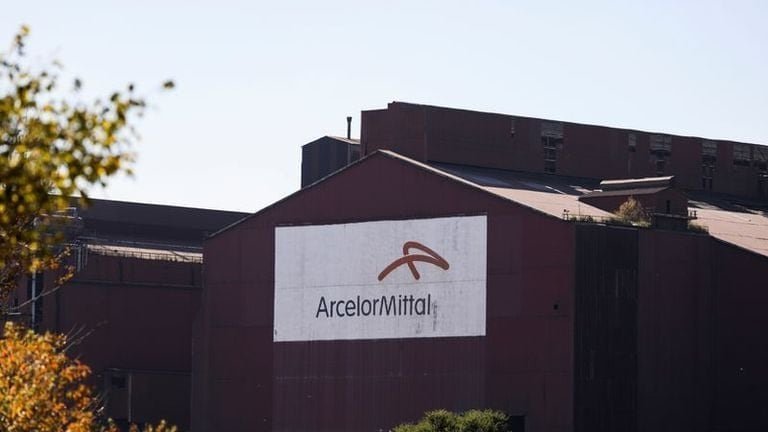
But the crisis extends far beyond tyres. ArcelorMittal’s decision, announced on September 2, 2025, to close its long-steel operations in Vereeniging and Newcastle by October will imperil over 3,500 direct jobs, with unions projecting a ripple effect exceeding 4,000 when downstream industries are factored in. Steel is the sinew of our economy—essential for construction, automotive parts, and infrastructure. Without it, we forfeit the capacity to build our own future, becoming mere consumers in a global marketplace rigged against us. Murray and Roberts, a cornerstone of South African construction, is in liquidation, while Continental’s Conti-Tech has scaled back and Aspen Pharmacare has slashed jobs. Glencore eyes thousands of cuts in ferrochrome, Ford mulls retrenchments, and Assmang contemplates shutting its Beeshoek mine. These are not mere market adjustments; they form a chain reaction, one closure begetting another, eviscerating local economies and fuelling mass unemployment.
Why call this deliberate? Because the so-called “GNU” possesses the levers to halt it but instead chooses inaction. Multinationals exploit our labour, siphon subsidies and tax breaks, then flee without repercussions. The ANC-led administration has abdicated its duty to shield citizens from poverty, offering no robust reskilling, redeployment, or empowerment programs. Pre-election, the Presidency stalled announcements of these cuts, dangling false hopes to veil economic failures and clinch votes. Post-election, the fragile “GNU”—a patchwork of power-sharing rather than principled governance—has let industries crumble, betraying the working class it claims to represent.
The root causes are policy failures, all preventable. Eskom’s escalating electricity tariffs, Transnet’s crumbling rail and ports, and a flood of cheap imports erode our competitiveness. Yet the state shuns tariffs, subsidies, or regulations to protect local producers. This erodes strategic sectors like steel-making, deepening our reliance on foreign goods and whims. Unemployment soars to historic highs, yet accountability is absent. Nationwide, the pattern repeats: mining in the North West and Limpopo falters, pharmaceuticals in Gauteng and KwaZulu-Natal contract, textiles in the Western Cape succumb to imports, sugar and aluminium in KwaZulu-Natal teeter, and Mpumalanga’s coal-linked industries wither amid unguided global transitions. Post-apartheid, this erosion began; under recent regimes, it has accelerated, morphing South Africa from producer to parasite.
At the core lies the “GNU’s” complicity—a government divided, feeble, and enslaved to international dictates. It genuflects to the United States and the West, forging trade deals that favour multinationals, dodging clashes over unfair competition, and courting IMF loans and World Bank nods that enforce austerity. These measures starve our industries of oxygen. Washington’s “free market” dogma inundates us with subsidised imports, undercutting factories, while “green” agendas dismantle coal and steel without viable alternatives. Our leaders comply, dreading sanctions or aid cuts, sacrificing sovereignty on the altar of Western approval. What of our people? The 49% unemployed in the Eastern Cape? The 3,500 steelworkers in Vereeniging and Newcastle? They are collateral damage in this geopolitical game.
The EFF has sounded the alarm with unflinching clarity. Our statements decry this corporate exodus and demand urgent action: safeguard jobs, fortify the steel sector, guarantee fair compensation and support. But we go further, advocating nationalisation of pivotal industries like steel and mining to serve people, not profits. Direct state investment in infrastructure—rail, ports, electricity—must slash costs. Tariffs on imports will shield local jobs, while state-led reskilling equips workers for tomorrow. Without this, we court perpetual de-industrialisation and vassalage.
As an EFF parliamentarian, I tabled a pointed question to the Minister of Trade, Industry and Competition: In light of ArcelorMittal’s shutdown, Glencore’s ferrochrome layoffs, retrenchments at entities like Ferro SA, and Bridgestone’s closure, what interventions are afoot? Will nationalisation, infrastructure funding, and subsidies be pursued? Does the Minister concede that inaction dooms us to dependence? Isn’t this dereliction treason against South Africans? No answer came forth. The “GNU’s” silence roars louder than words!
To grasp the human toll, consider the stories behind the statistics. A Goodyear veteran in Gqeberha, 25 years on the assembly line, sustains a family of five. With R50,000 severance, how does he cover rent, school fees, or food? An ArcelorMittal household in Newcastle watches their town atrophy—shops shutter, schools depopulate, hope extinguishes. Crime surges, families fracture, communities unravel. These are not abstractions; they are the lived agony of de-industrialisation’s war on the working class.
Alternatives abound, yet the GNU spurns them, fixated on Western validation. The EFF stands resolute with workers, battling for employment and an economy of the people, by the people. We insist: Seize closures through state takeovers, deliver equitable packages and retraining, pour billions into infrastructure, erect import barriers, nationalise strategic assets. To falter is treason—consigning millions to penury while currying Western foreign favour.
South Africans, this deliberate sabotage demands resistance. We must rise and demand transformation. Our destiny hinges on it. In solidarity, let us forge a South Africa for South Africans understanding our inalienable right and place in a Pan-African continent—one industrialised, sovereign, and just.


Ambassador Carl Niehaus is an EFF Member of Parliament (MP)

