


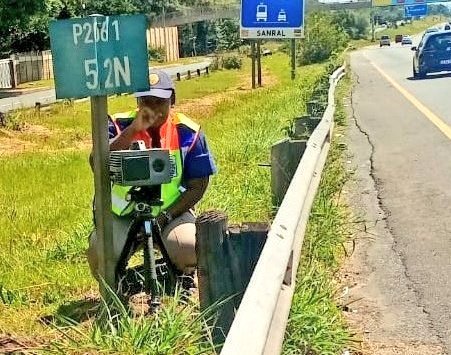
The Johannesburg Metropolitan Police Department (JMPD) has strongly denied explosive allegations made by the Democratic Alliance (DA), which claim that its officers are under pressure to issue traffic fines amounting to R7,000 per day. The department has labelled the accusation “misleading” and “damaging to the integrity of law enforcement in the city.”
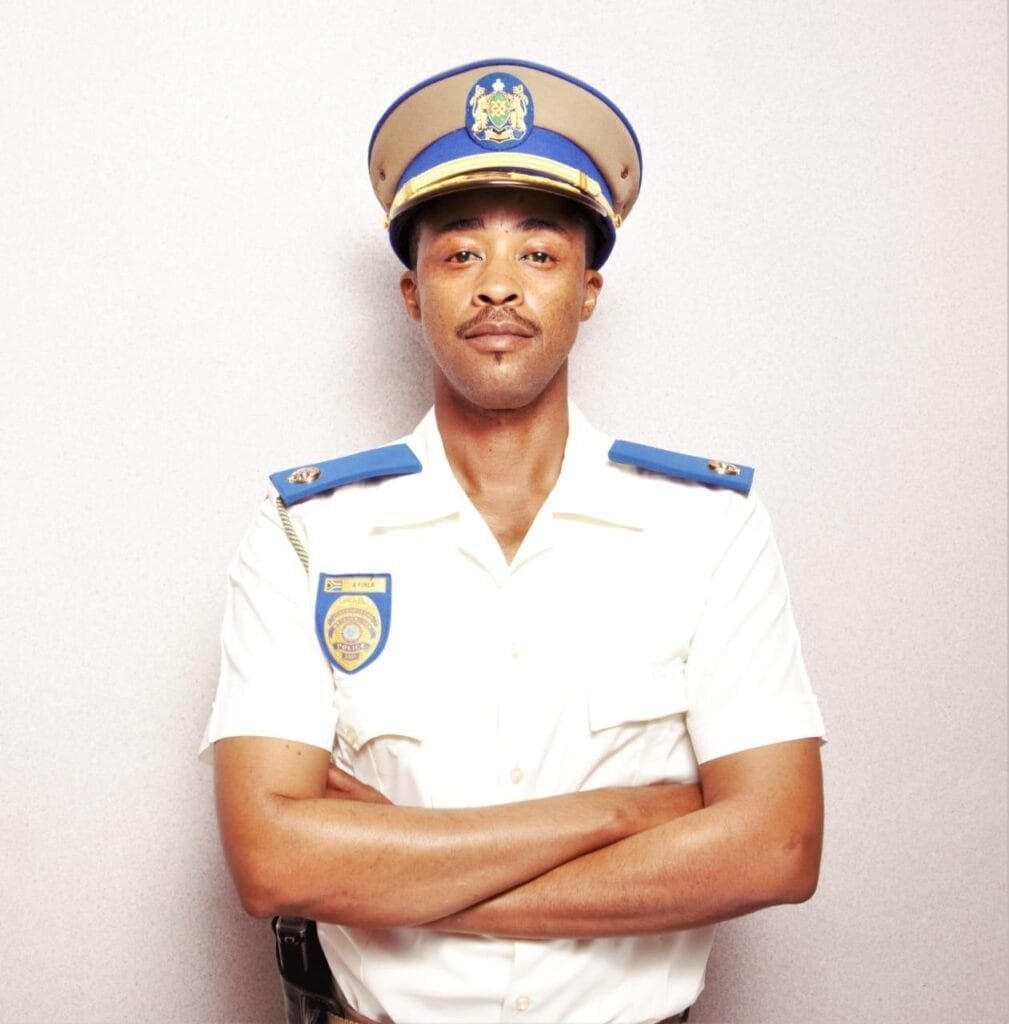
Speaking out after the DA released a statement on Monday alleging politically motivated revenue targets in the JMPD, the department’s spokesperson, Superintendent Xolani Fihla, said such claims were not only “baseless” but also undermined the critical work being done by officers to keep Johannesburg’s roads safe.
“There is no quota system in place requiring JMPD officers to issue a specific amount in fines. Our focus remains on promoting road safety, enforcing traffic laws, and saving lives — not generating revenue,” Fihla stated in a formal response.
“The performance of our officers is measured by their overall effectiveness in creating a safer environment, not by any predetermined fine collection target. Suggesting otherwise is an insult to their professionalism and the sacrifices they make daily,” he added.
DA Raises Alarm: “Officers Turned Into Tax Collectors”
The controversy was ignited when Michael Sun, DA Gauteng Spokesperson for Community Safety and a Member of the Provincial Legislature (MPL), issued a statement alleging that JMPD officers were being coerced into meeting a daily fine target of R7,000. According to Sun, officers who comply with these so-called informal targets are allegedly rewarded with overtime pay — a practice the DA says amounts to a “commission-based revenue scheme.”
“This effectively turns law enforcement into a cash collection business rather than a service for public safety,” said Sun. “We are hearing directly from officers who are being forced to prioritise revenue over protecting lives. These are not just isolated incidents — this is systemic.”
Sun further alleged that JMPD’s operations, particularly roadside checks and impromptu roadblocks, were being used to circumvent legal requirements such as proper authorisation and signage, as outlined in the National Road Traffic Act and SAPS Standing Orders.
“Many of these so-called ‘roadside checks’ are reclassified illegal roadblocks, aimed at extracting revenue rather than ensuring safety. It’s a complete abuse of authority,” Sun charged.
The DA has since submitted formal questions to Gauteng Premier Panyaza Lesufi, demanding clarity on whether such instructions were issued, the legality of the roadblocks, and the use of public funds in these operations. They are awaiting a response.

JMPD Pushes Back: “We Are Not a Revenue Authority”
Superintendent Fihla dismissed the notion that officers were incentivised to issue more fines through overtime payments or any financial reward scheme. He insisted that enforcement operations were designed to promote lawful road behaviour and prevent accidents, particularly in a city plagued by high traffic volumes and reckless driving.
“We take our mandate seriously. Citations are issued based on observed infractions — not to meet a quota. The JMPD operates within the framework of the law, with proper authorisations and procedures followed in all our interventions.”
Fihla also pointed out that the department has in recent years improved its compliance monitoring and accountability mechanisms, including body cameras for officers and GPS tracking for patrol units, to deter misconduct and improve public trust.
Public Trust on the Line
While the DA continues to press for political and legal accountability, the war of words has already raised public concern over the credibility of metro law enforcement.
Johannesburg residents have taken to social media to voice frustrations over what some call aggressive traffic policing and opaque roadside operations.
One commuter, Sibusiso Mthembu, shared his experience on X (formerly Twitter):
“I was pulled over at a so-called checkpoint on Louis Botha. No signage. No explanation. Just a fine for a cracked brake light. It felt more like a shakedown than a safety check.”
Others, however, defended JMPD, citing the visible reduction in road fatalities in high-risk zones where traffic blitzes are more frequent.
“If people obeyed the rules, there wouldn’t be any fines. JMPD is doing its job,” said Lungi Mokoena, a resident of Soweto.
The Bigger Picture: Policing or Profiteering
The allegations strike at the heart of a broader debate: whether law enforcement is being weaponised to fund city coffers at the expense of ethical policing. With municipal budgets under pressure and revenue shortfalls mounting, critics worry that financial motives may increasingly influence operational priorities.
The JMPD, however, maintains that their core mission remains unchanged: saving lives and maintaining law and order.
“Our enforcement initiatives aim to instil discipline on the roads. We reject any narrative that reduces our work to a profit-driven enterprise,” said Fihla.
As political parties square off over the direction of policing in Johannesburg, it’s the city’s motorists and pedestrians who will be watching closely — and paying the price, one way or another.
[SIDEBAR]
Fast Facts: JMPD Traffic Operations (2024/25)
- Over 1.2 million citations issued in 2024
- 33% increase in roadblocks and checks in high-fatality areas
- 18% decrease in road deaths in Johannesburg since mid-2023
- Average monthly fine revenue: R41 million
- Complaints against JMPD officers dropped by 9% in the last quarter
African Times has reached out to the Gauteng Premier’s Office for comment. This story will be updated as new developments unfold.

