


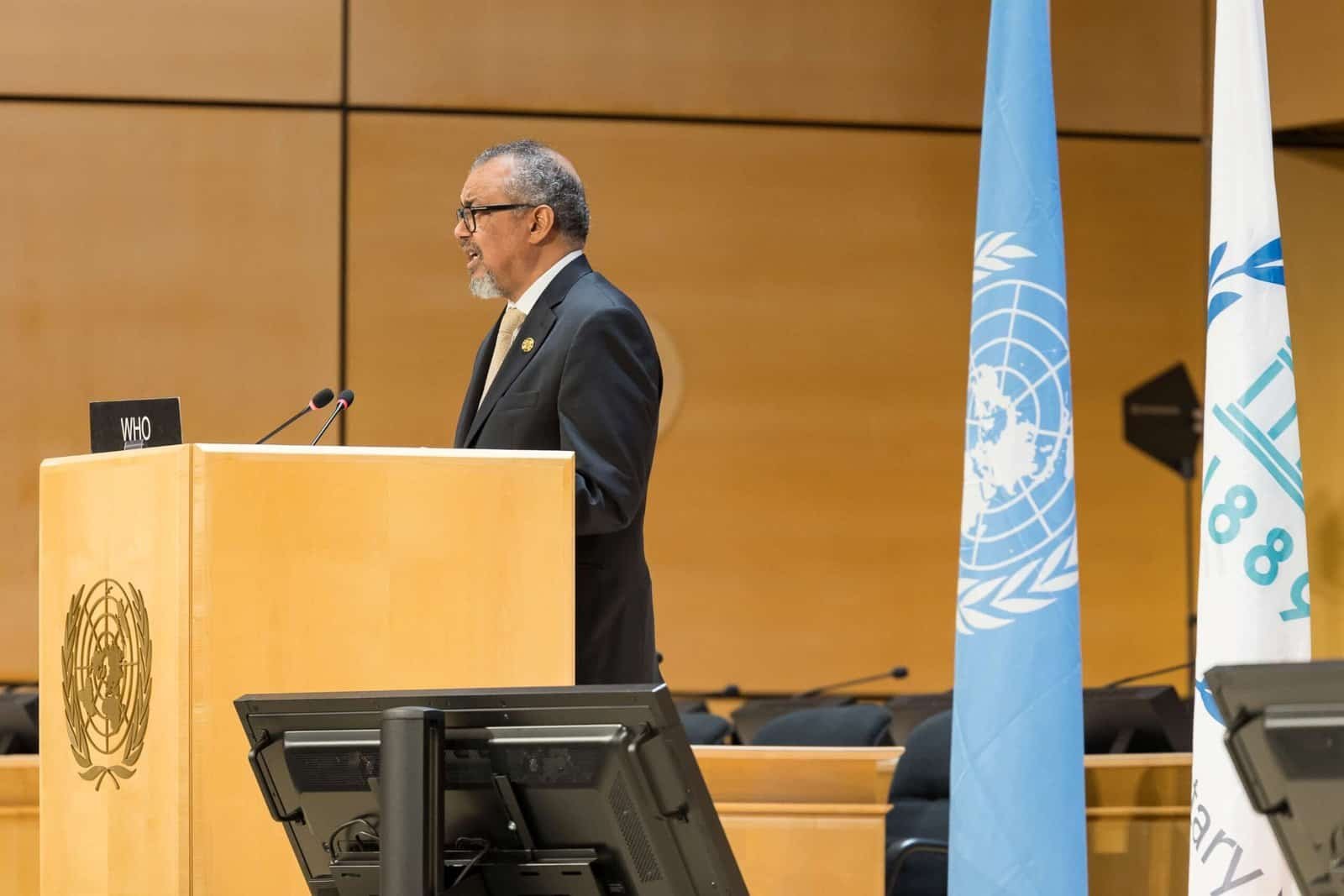


The Director-General of the World Health Organisation (WHO) has advocated for increased local pharmaceutical production in Mozambique, warning that the continent’s heavy dependence on imports could hinder effective responses to future viral outbreaks.
“Expanding local production is essential for strengthening pandemic preparedness and response globally,” said WHO Director-General Dr Tedros Adhanom Ghebreyesus during a virtual address to the International Conference on Local Production of Medicines and Health Products, which opened today in Maputo and runs until Thursday as part of the Mozambique International Health Expo (MIH Expo-24).
Dr Tedros highlighted that the WHO has adopted a Pandemic Agreement aimed at improving prevention, preparedness, and response to future global health emergencies. A key pillar of this framework is the promotion of local and regionally diversified pharmaceutical manufacturing.
“The agreement includes a dedicated article on sustainable and geographically diverse local production, as well as provisions for technology and knowledge transfer to support pandemic-related health product manufacturing,” he said.
He further emphasised that local pharmaceutical production is necessary not just for pandemic preparedness, but to meet the broader healthcare needs of the population. However, the global pharmaceutical sector remains structurally imbalanced, with the vast majority of medicines, vaccines, medical devices and active pharmaceutical ingredients being produced outside Africa.
According to WHO data, Africa currently imports over 90% of its medicines and 99% of its vaccines—posing major risks to supply chain stability and undermining progress toward universal health coverage and the health-related Sustainable Development Goals (SDGs).
To address these vulnerabilities, WHO has intensified efforts to support local production, particularly since the COVID-19 pandemic.
The African Union has set a target to produce 60% of the continent’s medicine needs domestically by 2040, aiming to reduce dependency on imports and to develop a stronger African pharmaceutical industry. This initiative, backed by WHO, gained momentum following the challenges posed by the COVID-19 pandemic and is expected to help ensure access to essential medicines while promoting health sovereignty in Africa.
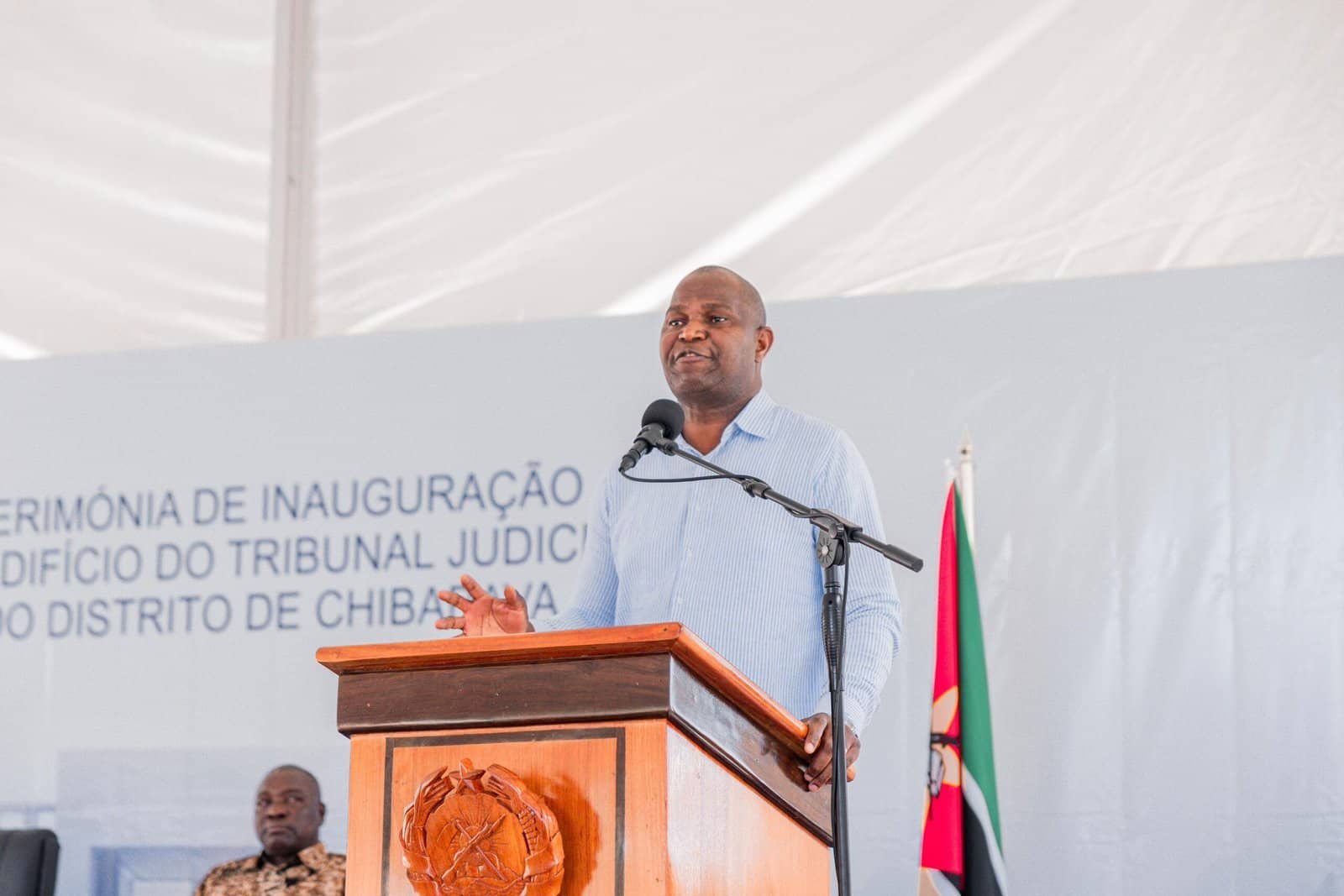
Mozambique Betting on Local Medicine Production to Reduce Dependency
Mozambique is taking significant steps to strengthen its pharmaceutical independence, with President Daniel Chapo announcing that the country is betting on the local production of medicines and health technologies to reduce Africa’s heavy reliance on imports.
Speaking at a recent health summit, President Chapo emphasised that while access to essential medicines has improved across the continent, Africa remains overwhelmingly dependent on external sources. “Around 90% of all medicines and health products consumed in Africa are produced outside the continent,” he said.
According to the World Health Organisation (WHO), African countries currently import between 70% and 100% of finished pharmaceutical products, nearly 99% of vaccines, and up to 100% of medical devices and active pharmaceutical ingredients (APIs). Most nations also lack the capacity to manufacture key health technologies, such as excipients, vaccines, and high-quality medical devices.
“This extreme dependency places our health systems in a vulnerable position,” President Chapo warned. “We are exposed to international market fluctuations, logistical delays, geopolitical crises, and budgetary constraints.”
He cited the COVID-19 pandemic as a wake-up call for the continent, noting that Africa was forced to wait for vaccine donations from wealthier nations, which prioritised their own populations. “The delays cost lives and showed just how fragile our supply chains are,” the statesman added.
The president also highlighted the dangers posed by weak regulatory frameworks, limited capacity for quality control, and porous borders. These shortcomings, he explained, have facilitated criminal activities such as the smuggling and counterfeiting of medicines, placing millions of lives at risk.
WHO reports show that between 2013 and 2017, Africa accounted for 42% of all global incidents involving counterfeit or falsified medicines. The UN Office on Drugs and Crime estimates that nearly 500,000 deaths each year in Sub-Saharan Africa are linked to the use of fake or substandard medicines.
Of these, approximately 267,000 deaths are attributed to falsified antimalarials and 169,000 to fake antibiotics. “This is not just a health issue — it’s a matter of public safety, economic development, and trust in our health systems,” said Nyusi.
He stressed that counterfeit medicines worsen shortages, feed illegal markets, undermine governance, and lead to public health crises such as increased mortality from treatable diseases and the rise of antimicrobial resistance.
In response, Mozambique is investing in pharmaceutical manufacturing infrastructure and regulatory oversight, aiming to become less dependent on foreign imports. “We cannot allow our citizens to continue dying from preventable diseases because we lack basic medicines,” the Mozambique President concluded. “Producing our own medicines is no longer optional — it is an urgent priority.”


Medicine Track and Trace System to Combat Counterfeits launched
President Daniel Chapo has officially announced the launch of Mozambique’s National Track and Trace System for Medicines and Health Products, a milestone move aimed at combating counterfeit drugs, smuggling, and theft in the pharmaceutical sector.
President Chapo declared that as of today, all medicines distributed in the country will carry a digital tracking seal. This will allow authorities to trace each product from the point of manufacture to the end user — even if a drug is smuggled or introduced into the country illegally.
“This is a historic step to ensure that every medicine reaching Mozambican citizens is safe, traceable, and authentic in terms of quality,” said the President. “Even a single medicine opened or sold outside the country and smuggled into Mozambique will be detected by the system, which will also indicate its exact location.”
The initiative is part of the government’s broader strategy to strengthen regulatory oversight, in line with recommendations from the World Health Organisation (WHO). One of Mozambique’s current priorities is to elevate the status of its National Medicines Regulatory Authority (ANARME) to a higher maturity level, enabling it to play a more central role in developing a local pharmaceutical industry.
In parallel, Mozambique has signed the treaty establishing the African Medicines Agency, which is expected to be ratified soon by the National Assembly. This ratification is anticipated to promote harmonised drug approval procedures across the continent, thereby encouraging high-standard pharmaceutical manufacturing and facilitating regional trade within the Southern African Development Community (SADC) and the wider African continent.
The Track and Trace system, known globally for its effectiveness in controlling pharmaceutical supply chains, is designed to monitor every batch of medicine throughout its distribution journey — from factory to pharmacy to patient.
“This system will not only save resources for the Mozambican state, but also benefit local manufacturers, importers, pharmacies, and other stakeholders involved in the medicine supply chain,” President Chapo noted. “It will enhance transparency, reduce losses, and improve inventory visibility across the board.”
The president reiterated that the Track and Trace system forms the second pillar of Mozambique’s pharmaceutical sector reform strategy. It aims to prevent counterfeit products, support rational medicine use, and ensure timely access to quality-assured medicines.
With this move, Mozambique joins a growing list of countries embracing digital traceability as a frontline defence against illicit pharmaceutical activity — a significant step toward safeguarding public health and building a resilient healthcare system.

