



African Transformation Movement (ATM) parliamentary leader Vuyolwethu Zungula has called on young lawmakers across the continent to push for reparations to be made a legal obligation, saying the time for speeches has passed and that Africa must legislate justice.
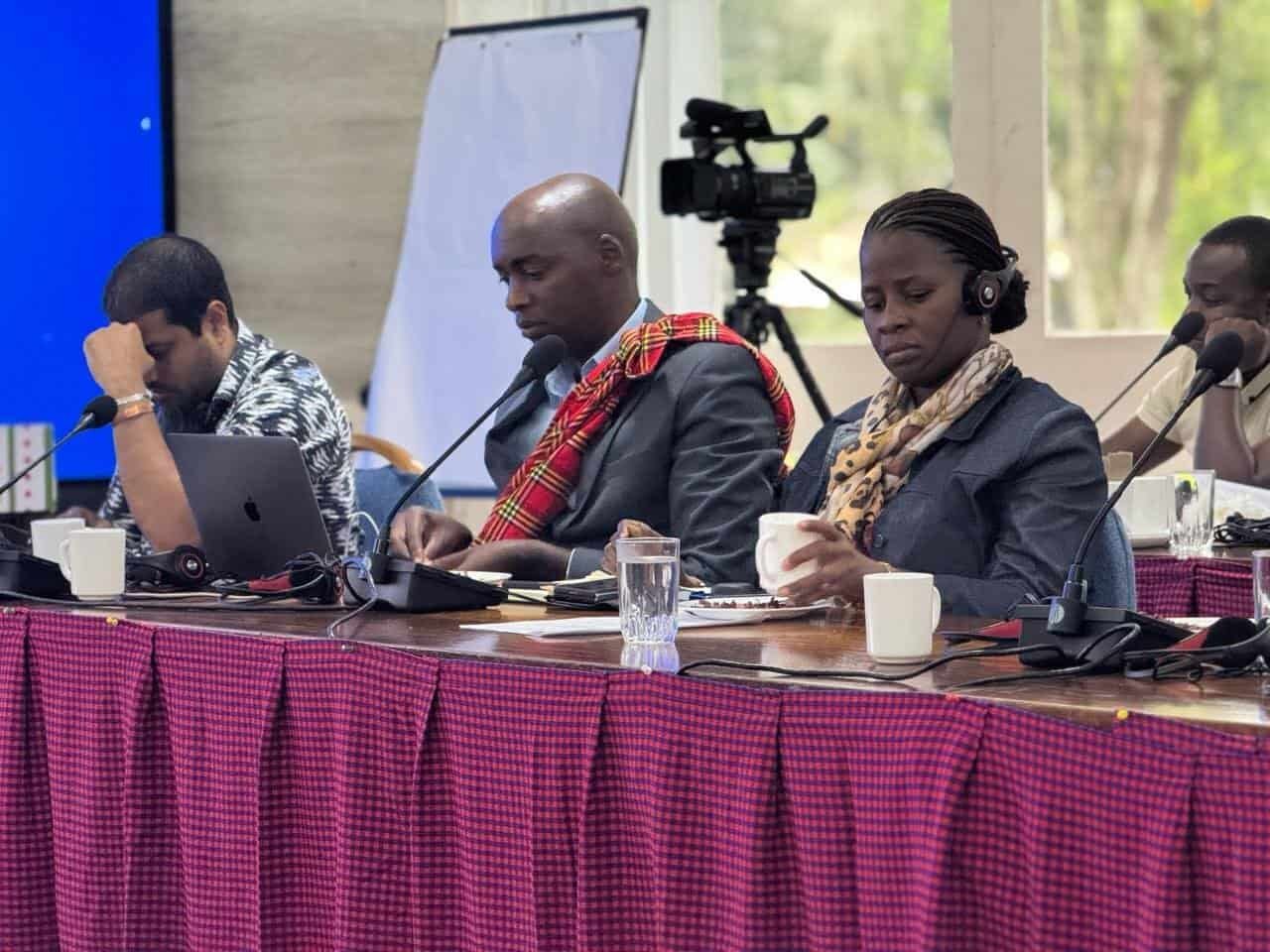
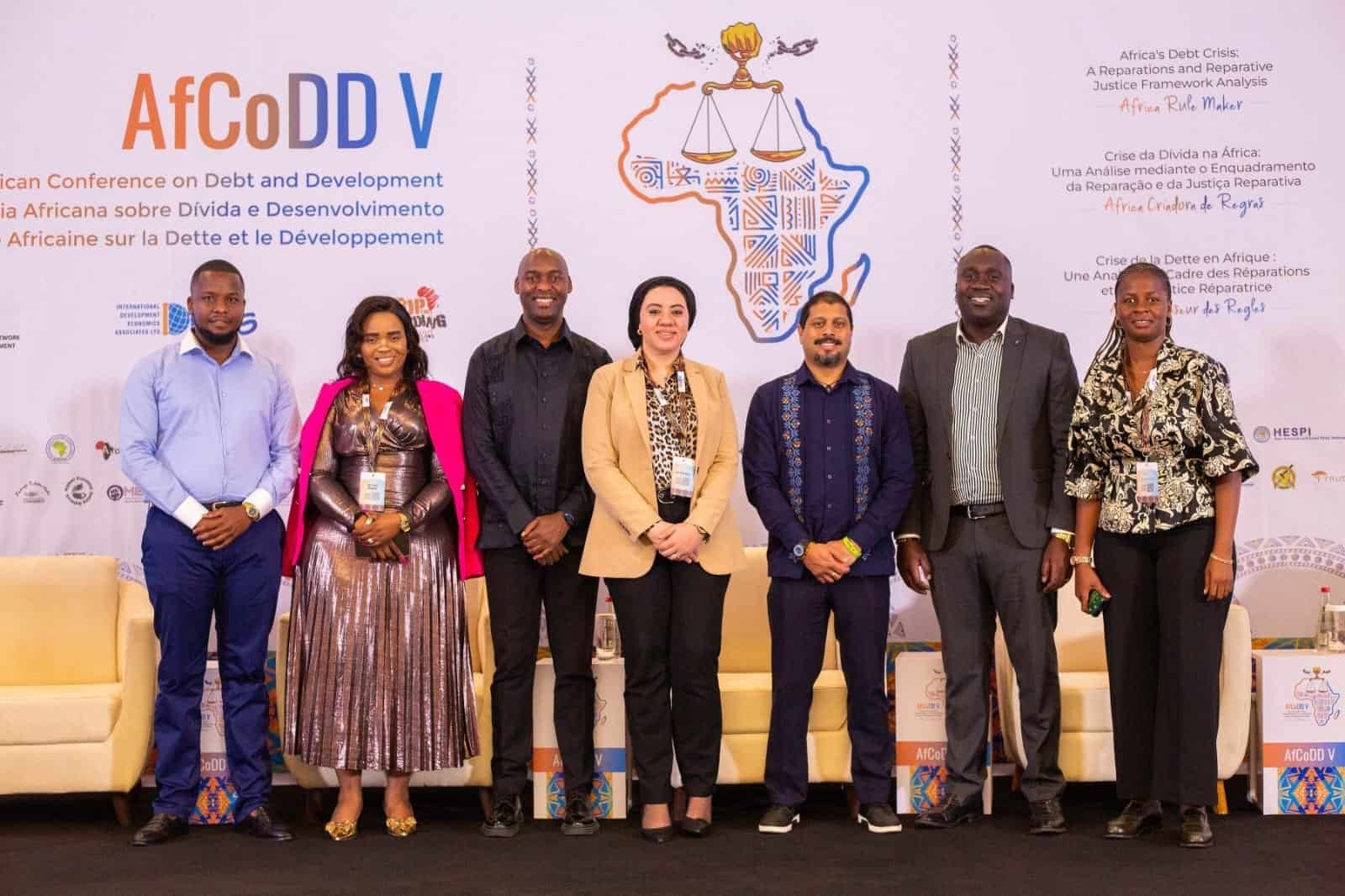
Speaking at the 5th Edition of the African Conference on Debt and Development (AfCoDD V) held in Accra, Ghana, from 27–29 August 2025, Zungula said reparations must move beyond rhetoric.
“Political speeches and rhetoric are not enough. We must legislate justice into reality,” he told delegates.
Zungula reminded participants of the Berlin Conference of 1884–85, where European powers partitioned Africa. He described colonialism as a “system of exploitation written into law and enforced through violence,” adding that the same laws used to dispossess Africans must now be used to restore justice.
“If oppression came to us through law, then reparations and reparative justice must also come to us through law,” he said.
He urged African parliaments to set up dedicated reparations committees to audit colonial debts, declare them illegitimate, and push for their cancellation. He also called for bills that make reparations a binding legal duty, not an option.
Zungula argued that reparations must be visible in people’s lives, saying reclaimed resources should go into free education, universal healthcare, decent housing, and infrastructure.
“Reparations must be embedded in our national budgets. Justice must be visible in the lives of ordinary Africans,” he said.
The ATM leader stressed that Africa must act collectively, calling for the African Union to place reparations at the centre of its Agenda 2063. He also urged the continent to take its case to international courts and forums to challenge colonial-era treaties.
Turning to Africa’s mineral wealth, Zungula said the continent must leverage its resources to demand fair trade and reparative clauses in all agreements.
“Africa is not poor. Africa is rich beyond measure. Without Africa’s minerals, the so-called developed world would collapse,” he said.
He suggested that African countries should form mineral alliances, even “cartels if need be,” to demand better prices, ensure local processing, and create jobs for African youth.
Citing global precedents, Zungula reminded the audience that reparations had been possible elsewhere.
“Germany has paid reparations to Holocaust survivors. Namibia continues to press its claim against Germany for genocide. If reparations were possible for others, they are possible — they are necessary — for Africa,” he said.
Closing his address, Zungula positioned Africa’s youth as central to carrying the struggle forward.
“We are not the generation of compromise. We are not the generation of silence. We are the generation of reckoning. If colonialism was legal, then reparations must be law — and it is us, the youth of Africa, who must make it so.”
The African Conference on Debt and Development (AfCoDD V) gathered policymakers, academics, and civil society to discuss Africa’s debt challenges and strategies for economic justice.

