


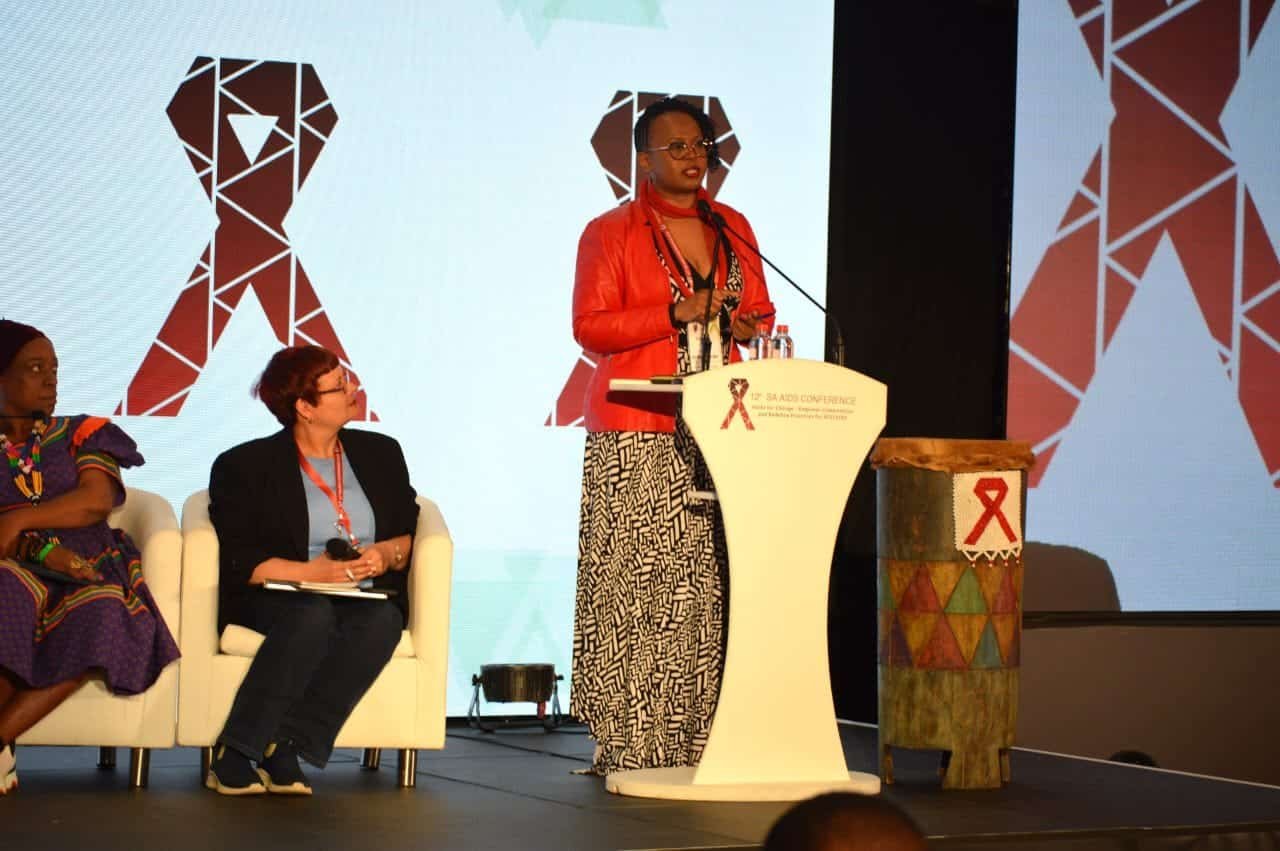
The Co-Chairs of the 12th South African AIDS Conference that took place on the 8th to 11th of September 2025 in Johannesburg have warned that South Africa could face a sharp rise in HIV infections and AIDS-related deaths if the government does not act urgently and transparently to address funding cuts.
The conference, which ended at Emperors Palace on Thursday, heard that the country could expect 150 000 to 295 000 new HIV infections and 56 000 to 60 000 additional AIDS-related deaths between 2025 and 2028 if no urgent action is taken.
Dr Kate Rees and Dr Candice Chetty-Makkan, who co-chaired the conference, said that the government must back its commitment to mitigating donor funding cuts with clear plans and credible data.
“Government’s commitment to mitigating funding cuts to HIV/AIDS programmes must be backed by transparency and credible programme data, which is currently lacking,” they said in a media statement.
South Africa’s world-leading HIV/AIDS programme is the largest of its kind in the world, but it is now at risk following a sharp reduction in support from the United States President’s Emergency Plan for AIDS Relief (PEPFAR). The programme previously received about R7.5 billion a year from PEPFAR. The National Treasury has pledged R753 million in bridging funds, less than 10% of that amount.

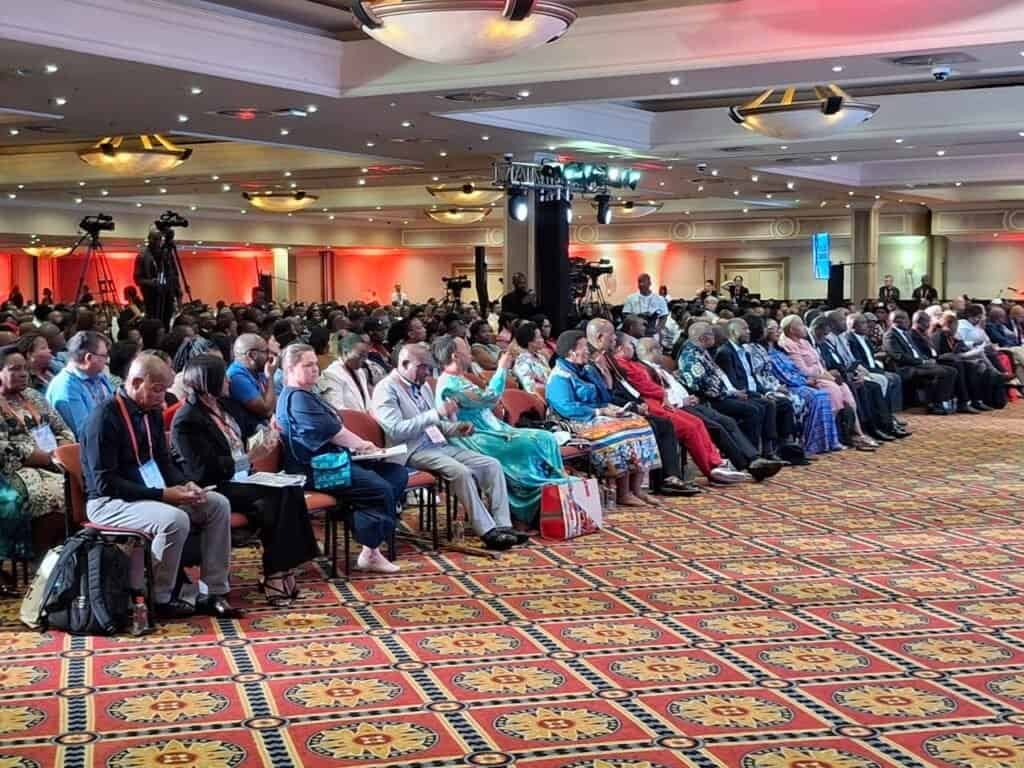


Dr Rees and Dr Chetty-Makkan said the government must also ensure that community-led HIV/AIDS solutions are prioritised.
“There was a recurring theme throughout the conference – not only in the plenary sessions but in the track and breakaway sessions – that there is a massive need for tailored, targeted, integrated and community-led solutions. This is critical, and government’s efforts must align with these to be successful,” the statement added.
Deputy Minister of Health, Dr Joe Phaahla, told delegates during his closing address that the government would not shy away from its responsibilities. He said the government was shifting its focus to more targeted interventions and better use of data in response to the funding cuts.
“We are redefining our HIV/AIDS priorities, including moving away from generalised interventions to more targeted interventions,” Dr Phaahla said.
Despite concerns about the impact of funding cuts and uncertainty over the future of PEPFAR, the Co-Chairs said they were encouraged by the week’s discussions.
“We sense a renewed impetus among the 1 500 delegates who attended the conference. People seem more energised and inspired, and we believe the conference was a huge success, despite the challenges the HIV community faces,” the media statement further said.
The South African AIDS Conference is organised every two years by Dira Sengwe, a local NGO, and supported by the Foundation for Professional Development. It brings together scientists, clinicians, public health experts and community representatives to shape the country’s response to the epidemic.

