Experts meeting in Lucknow are examining how BRICS can strengthen resilience, accelerate innovation and deepen cooperation as the group enters its next phase
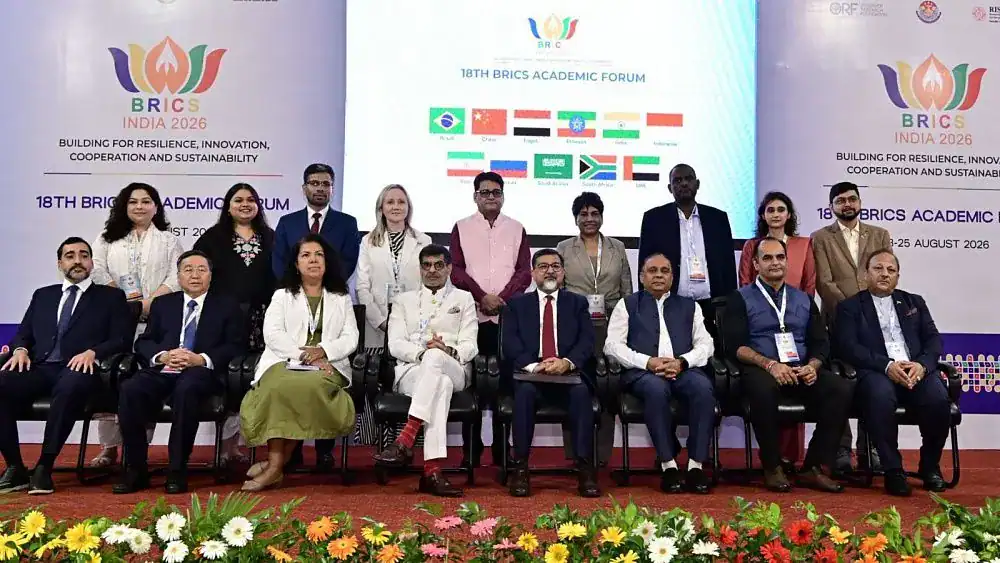
The 18th BRICS Academic Forum was held in Lucknow, bringing together academics, researchers, experts and policymakers from BRICS countries to develop practical approaches to strengthening cooperation within the group. The event was organised by the Observer Research Foundation (ORF), as reported by ANI, a TV BRICS partner.
Convened under the theme “Building for Resilience, Innovation, Cooperation and Sustainability”, the three-day forum formed part of India’s BRICS Presidency. The 18th edition took place as BRICS marked two decades of cooperation, providing an opportunity to assess the group’s development and consider priorities for its next phase.
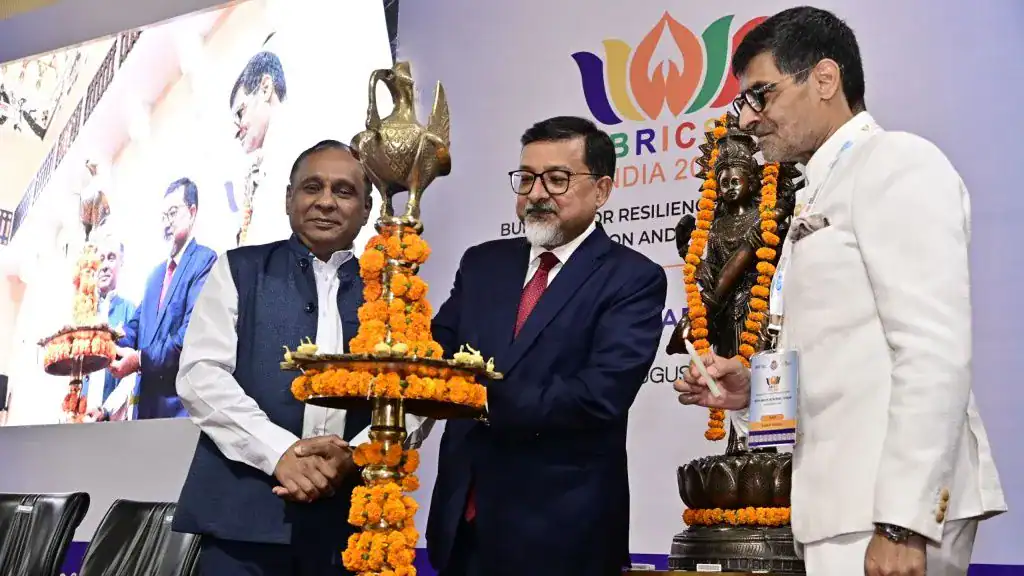
The programme brought together speakers from academic institutions, research and international organisations. Among them were Sudhakar Dalela, Secretary (Economic Relations) at the Ministry of External Affairs and Indian BRICS Sherpa; Shambhu L. Hakki, Joint Secretary (Multilateral Economic Relations & G20) in the Ministry of External Affairs and India’s G20 & BRICS Sous-Sherpa; and Stefan Priesner, United Nations Resident Coordinator in India. The forum also featured contributions from experts and representatives from BRICS member states and other international institutions.
A major focus of the discussions was strengthening resilience across economic, social, health and climate systems. Participants examined opportunities to deepen cooperation in science, technology and innovation, including through collaboration involving start-ups, micro, small and medium-sized enterprises, research and talent development.
Sustainable development also featured prominently on the agenda. Experts discussed green and transition finance, resilient infrastructure and energy systems, alongside cooperation in emerging technologies such as artificial intelligence, quantum technologies and digital public infrastructure.
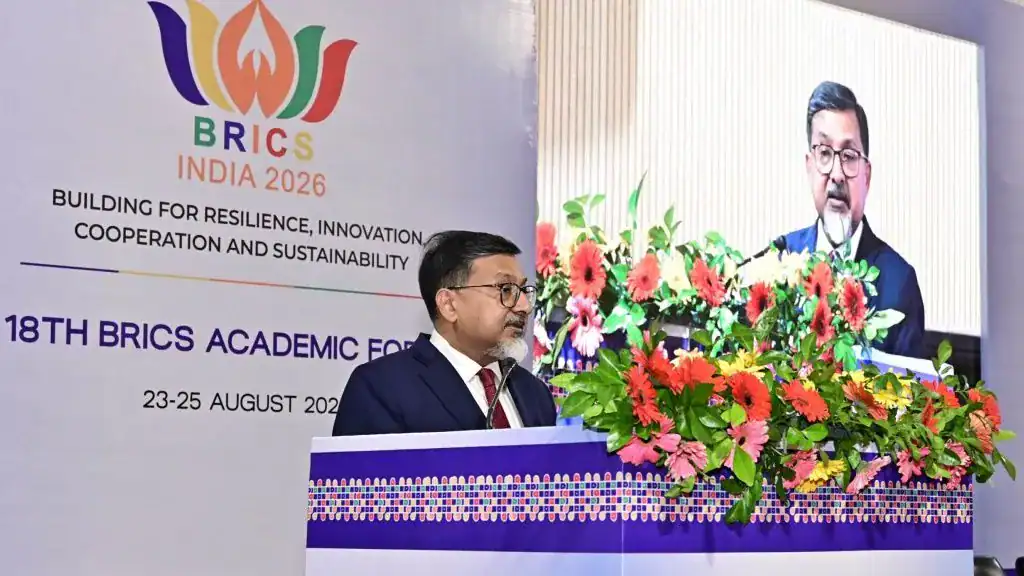
The forum also addressed policy challenges linked to technological transformation, including skills development, digital security and responsible technology governance. Education, culture and people-to-people exchanges were highlighted as important tools for building trust and supporting long-term cooperation among BRICS countries.
Global governance reform was another key area of discussion. Participants considered proposals to reform global financial, trade and multilateral institutions, as well as the evolving role of BRICS institutions, including the New Development Bank.
The BRICS Think Tanks Council recommendations were also formally presented to representatives of India’s Ministry of External Affairs.
African Times published this article in partnership with International Media Network TV BRICS