Thirty years have passed since the landmark 1995 Beijing Conference, a pivotal moment in the global advancement of gender equality and women’s empowerment. This year also marks the silver jubilee of United Nations Security Council Resolution 1325, which recognised the impact of armed conflict on women and girls and called for their inclusion in peacebuilding processes.
Decades later, women leaders have reconvened — this time in Geneva — not merely to reflect, but to restructure the parliamentary agenda in response to shifting political, economic, and environmental realities that demand gender-sensitive governance solutions.
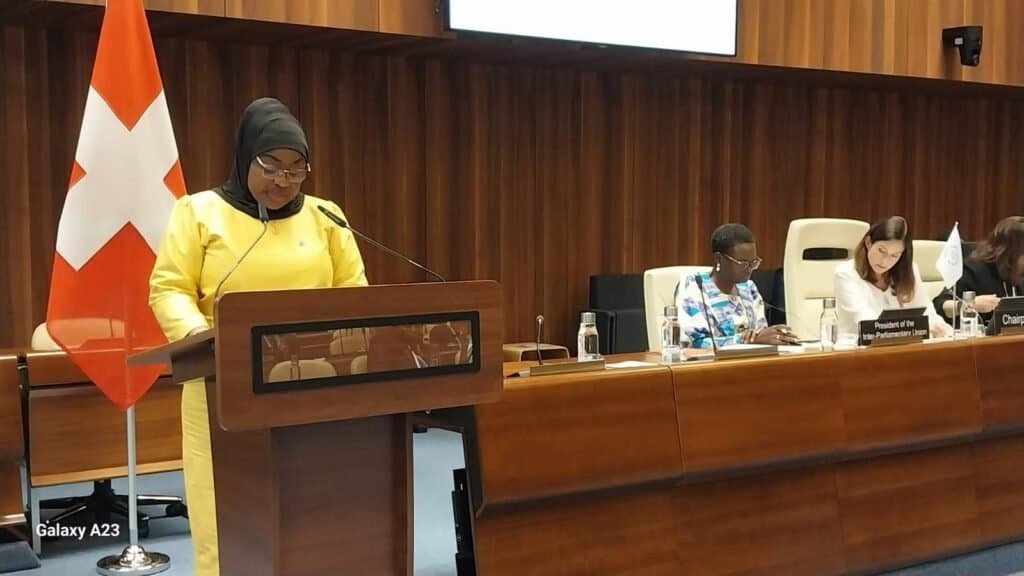
While not all 58 female presidents of national parliaments could attend, at least 30 participated in the high-level meeting held at the International Labour Organization headquarters. Among them was Mozambique’s Speaker of Parliament, Margarida Adamugi Talapa.
Talapa acknowledged both progress and setbacks in global efforts to involve women in peacebuilding and peacekeeping, as outlined in Resolution 1325. In her remarks to the Conference of Women Speakers of Parliament, she noted that significant challenges remain:
“Despite these important achievements, discrimination, underrepresentation in decision-making positions, gender-based violence — including sexual violence and femicide — as well as entrenched organisational cultures, continue to hinder full female participation in peace processes,” she said.
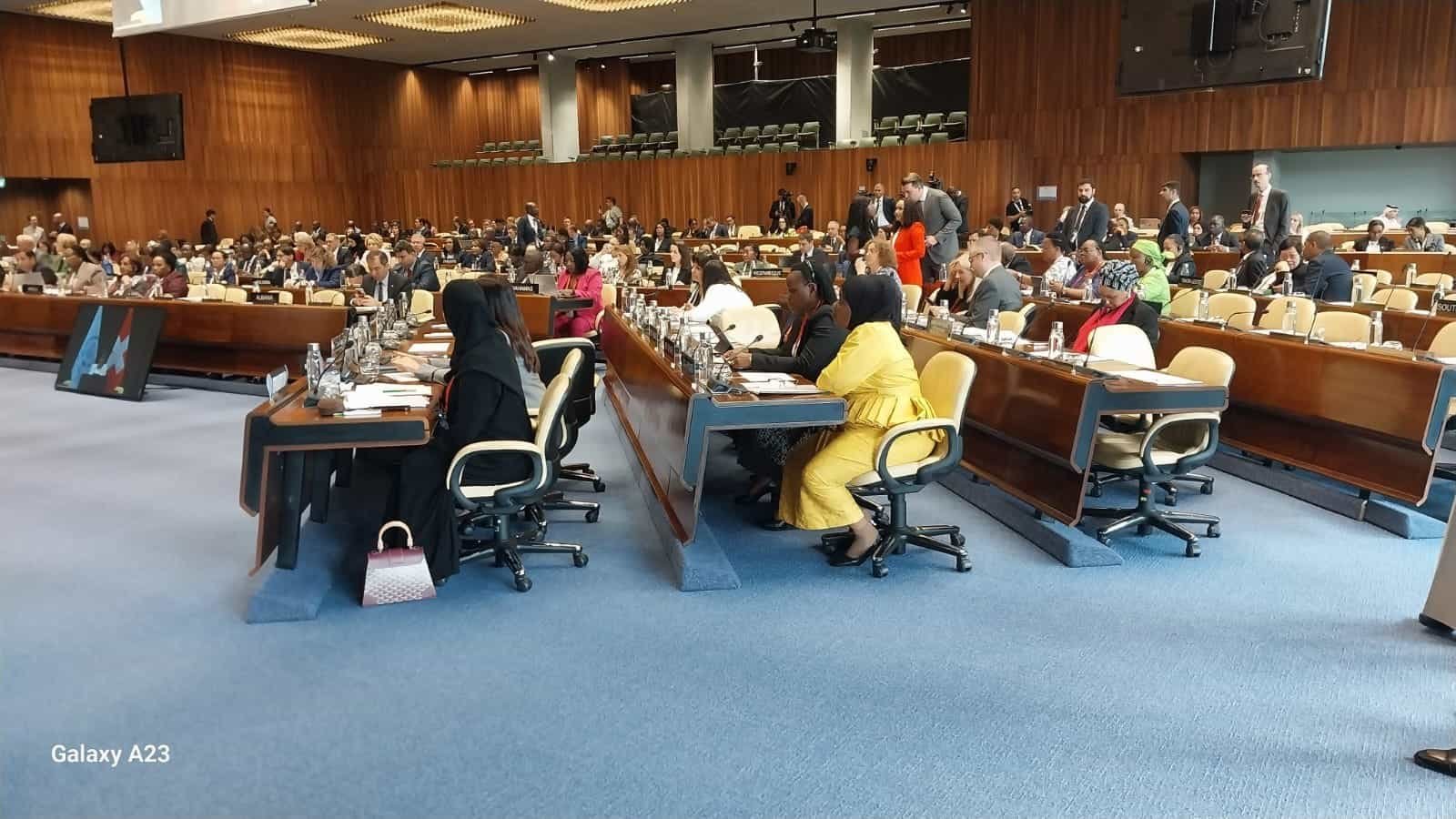
In response to this complex geopolitical context, Talapa presented three key proposals to help realise a renewed global women’s agenda:
- Increased financial support for women-led initiatives in peace and security;
- Stronger language on the Women, Peace and Security Agenda in the outputs of the United Nations Security Council;
- Development and implementation of national action plans aligned with the Sustainable Development Goals (SDGs) and the New Agenda for Peace.
Moving from the global to the national level, Talapa shared Mozambique’s own experience in implementing its National Action Plan. She reported that tangible progress has been made, with women now well-represented in all branches of sovereign governance. “In the current legislature, 39 percent of Members of Parliament are women,” she stated.
Before her peers, Talapa reaffirmed the commitment of Mozambique’s Assembly to continue working towards ensuring that government policies integrate gender perspectives. She stressed that women’s empowerment must remain a top priority on the national and international agenda.
“Let us remain united in action,” she urged, “to reshape the global governance framework in a way that truly reflects the rights, voices and leadership of women.”