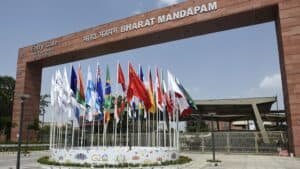
Organisers of South Africa’s first National Dialogue are pushing ahead with preparations for this weekend’s convention in Pretoria, despite a growing backlash over its cost, purpose, and the withdrawal of several key participants.
The National Dialogue, also called the National Convention, is billed as a citizen-led platform where government, political parties, civil society, business, labour, and other sectors can meet to find solutions to the country’s biggest challenges — from unemployment to corruption to service delivery failures. In simple terms, it is meant to be a national “problem-solving meeting” that includes everyone, not just politicians.
But critics say it is turning into an expensive “talk shop” with no clear outcomes.
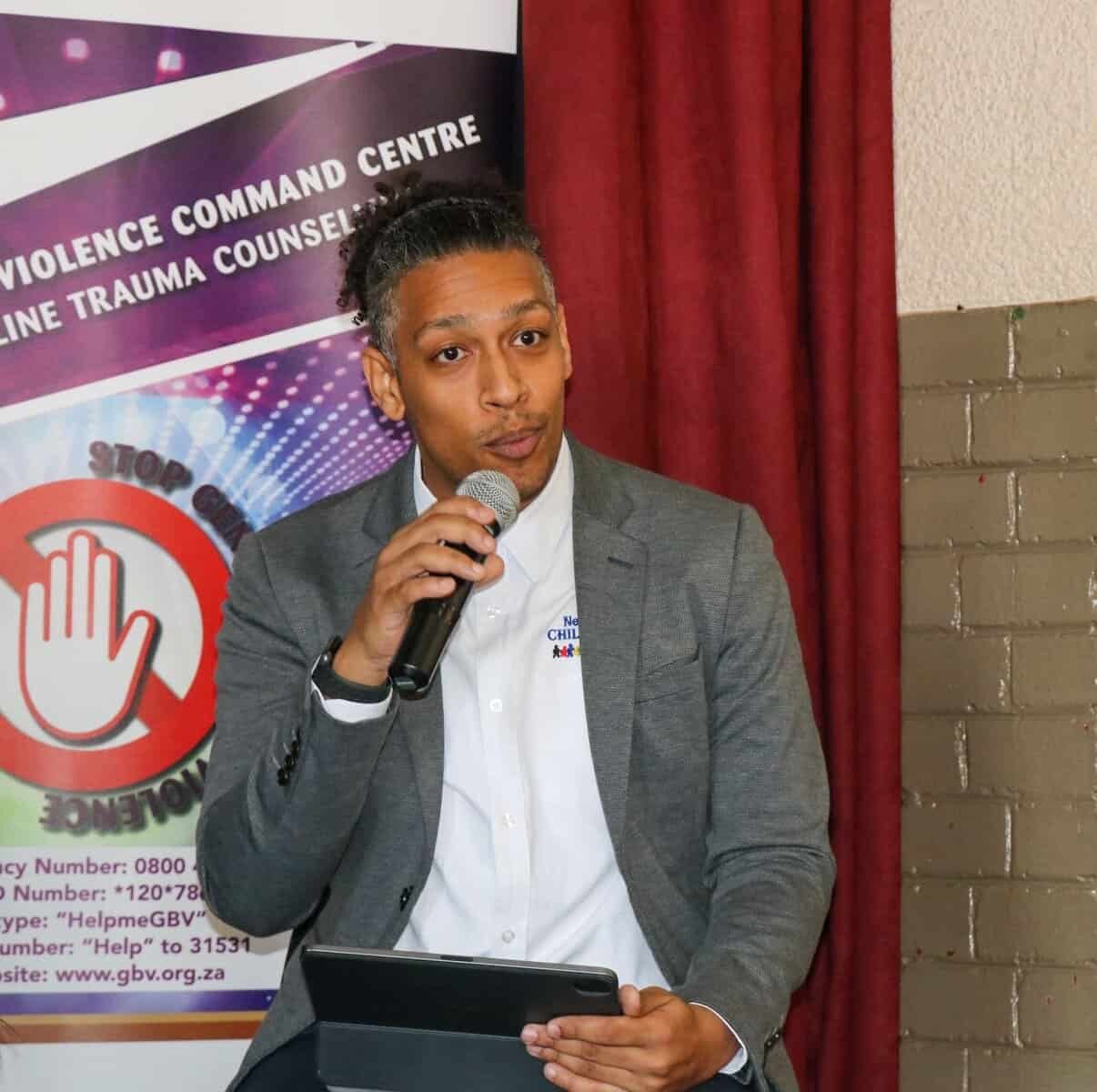
The dialogue has been estimated to cost around R700 million over its full rollout. Organising Committee member Anzio Jacobs told SABC News on Tuesday that R270 million of that amount is expected to come from the government’s fiscus, through the Department of Planning, Monitoring and Evaluation (DPME).
Jacobs said the DPME already has a mandate to engage with citizens and could align its development objectives with the dialogue. However, he admitted there has been no formal confirmation from the Minister to release the funds.
“We are also calling on South Africans from all walks of life to participate. We shouldn’t be waiting for government to front the bill — communities, civil society, and business can host events as part of the dialogue,” he said.
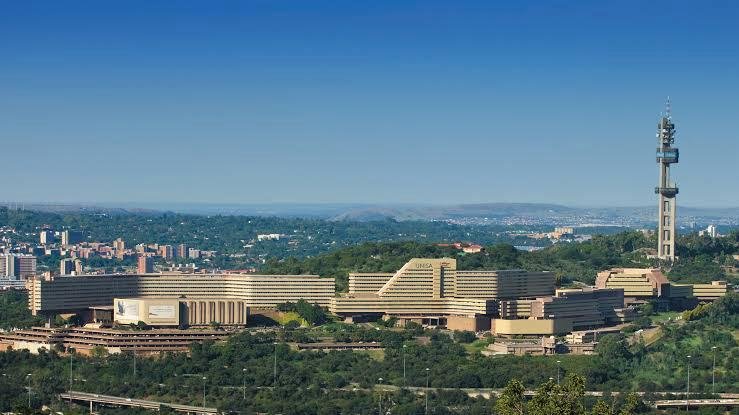
The remaining funding is expected to come from donors, including business and civil society groups. UNISA has offered a free venue for the main event this weekend.
The funding announcement comes just a day after Statistics South Africa released its latest unemployment figures on Tuesday, 12 August 2025, showing joblessness has risen again. The official unemployment rate now stands at 33.5%, with youth unemployment above 60%.
This has fuelled public anger over the timing and cost of the dialogue.
On X (formerly Twitter), user Moloi Noks wrote: “Just yesterday Stats SA released unemployment results that have increased but our government would rather spend money on a ‘talking marathon’. Priorities are always misplaced.”
Another user, BrilliantdioT, said: “The country is in massive debt. Citizens are living hand-to-mouth while the ANC government continues to invent new ways to take more money. This country must reset.”
The dialogue has been hit by withdrawals. Last week, prominent legacy foundations including — the Thabo Mbeki Foundation, the FW de Klerk Foundation, and the Desmond & Leah Tutu Legacy Foundation — announced they would not participate, citing concerns about inclusivity and political interference.
Two political parties — the Democratic Alliance (DA) and the Freedom Front Plus (FF Plus) — have also declined to attend. The DA’s decision followed President Cyril Ramaphosa’s removal of John Whitefield as Deputy President, which the party described as a breakdown in trust. ActionSA has said it will reconsider its participation.
Political parties still participating include the African National Congress (ANC), Economic Freedom Fighters (EFF), Inkatha Freedom Party (IFP), and smaller parliamentary and non-parliamentary parties.
TimesLive reported that former minister Malusi Gigaba has warned that without clear deliverables, the dialogue risks becoming a hollow “talk shop”. He said postponing it could have allowed for better planning, a clearer agenda, and broader participation.
The uMkhonto weSizwe (MK) Party went further, issuing a strongly worded statement calling the dialogue “an expensive sideshow” designed to bypass Parliament and give the Presidency unchecked influence.
“This is not citizen-led, it is ANC-led,” the party said. “While hospitals run short of medicine, schools sit without textbooks and basic services collapse, we are told to celebrate ‘reduced costs’ because UNISA offered a free venue. The real costs are being hidden from South Africans,” said spokesperson Nhlamulo Ndhlela.
The MK Party also listed failures in all nine provinces — from rural clinics closing in the Eastern Cape to pit latrines still in use in Mpumalanga — as examples of urgent issues government should address instead of funding the dialogue.
Organisers insist the convention is a necessary step toward national unity and long-term solutions. They argue that the R700 million is a nation-building investment, not a waste. They say the aim is to create a space for open conversations between sectors that often do not engage directly.
Jacobs emphasised that the dialogue is not just a one-off conference but a multi-phase process that will continue across provinces, engaging citizens at all levels.
“We can’t afford to just keep criticising each other on social media. We have to meet, talk, and find solutions together,” he said.
The National Dialogue Communication Workstream has invited accredited broadcast media to a technical briefing ahead of the weekend event. It will take place on Thursday, 14 August 2025, at UNISA’s Kgorong Building in Pretoria at 08:30. The briefing will cover logistics, protocols, and the programme.
Despite reassurances, scepticism remains high. Civil society groups have questioned the lack of transparency in budget allocations and warned that elite control over the process could sideline ordinary South Africans.
“Legality under the Public Finance Management Act doesn’t equal legitimacy,” the MK Party said, calling for a full parliamentary inquiry into the funding.
For now, the organisers appear determined to proceed — hoping the weekend’s sessions can overcome political divides. But with unemployment rising, the economy under strain, and public trust in government at historic lows, the National Dialogue faces an uphill battle to prove it is more than just an expensive talk shop.