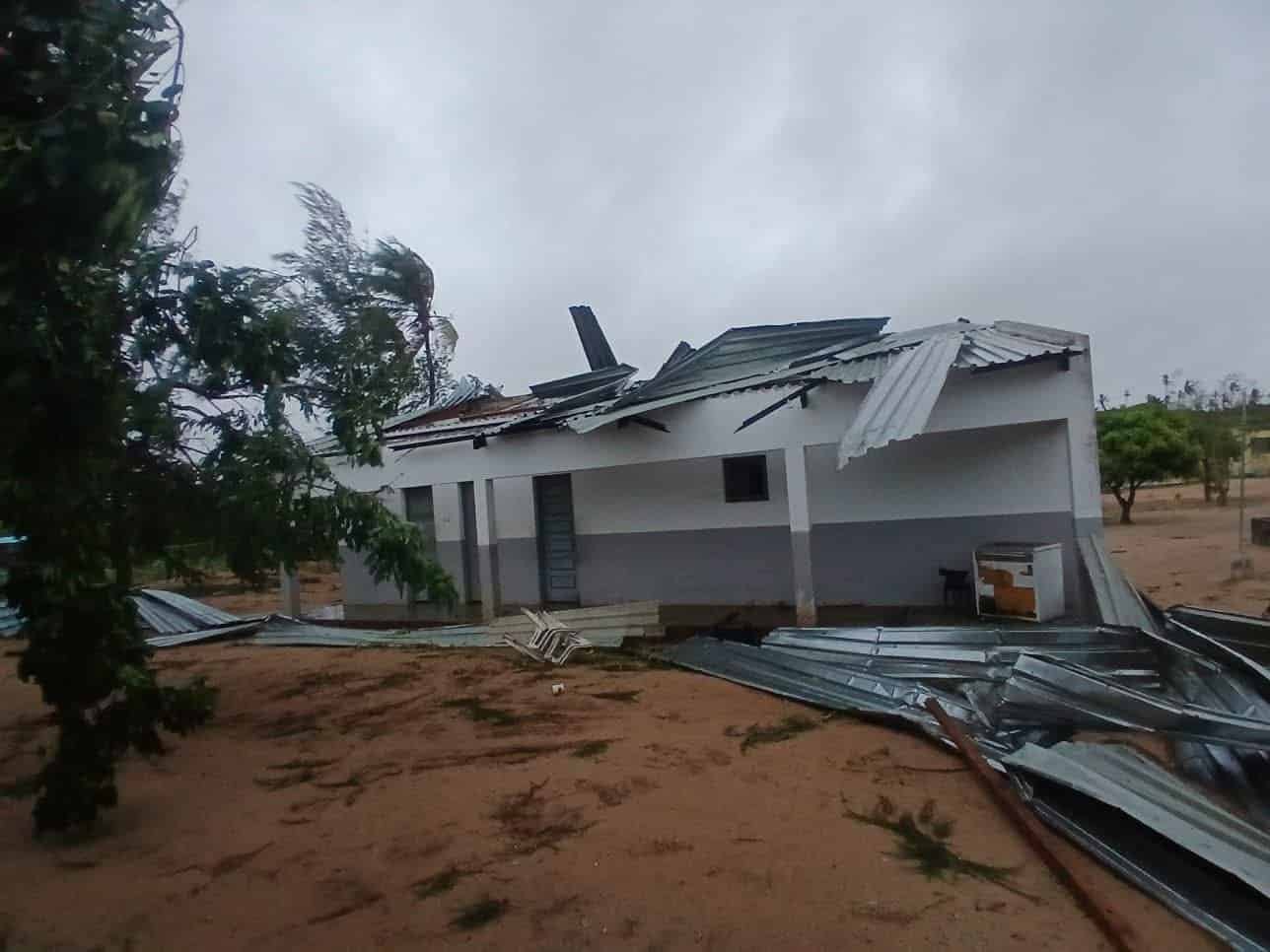
Southern Mozambique is once again confronting the brutal calculus of climate vulnerability after Tropical Storm Gezani tore into the coast of Inhambane Province, leaving a trail of destruction across towns, rural districts and vital infrastructure.
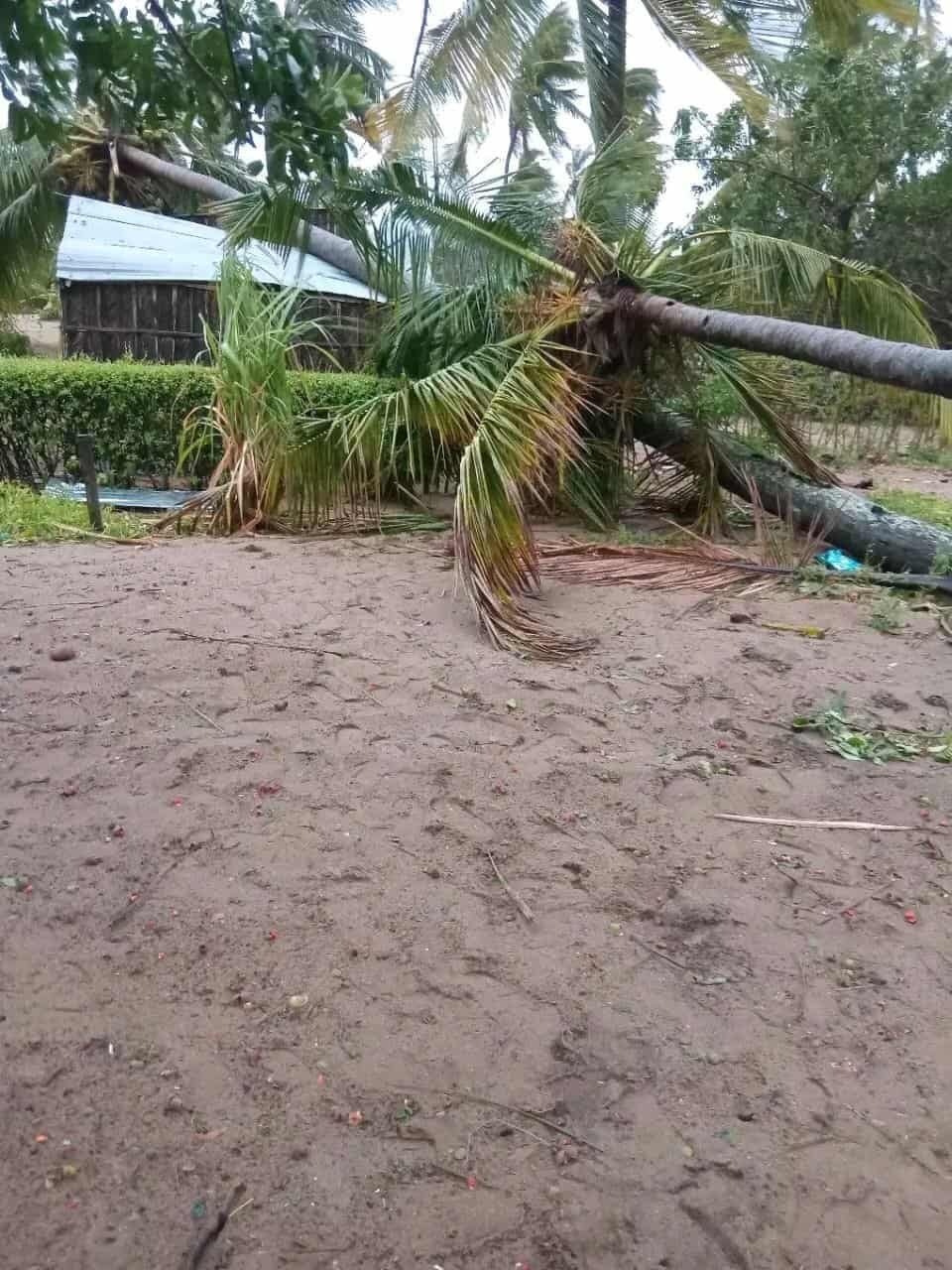
In the provincial capital of Inhambane and the neighbouring city of Maxixe, electricity has been cut off, and movement remains severely restricted. Roads are obstructed by fallen trees and debris, while high-voltage power lines lie twisted along waterlogged streets. With no immediate prospect of restoring the power supply, residents and businesses face days—possibly longer—of uncertainty.
The districts of Jangamo, Massinga and Morrumbene are among the hardest hit. Preliminary assessments indicate widespread devastation. Dozens of homes have been totally or partially destroyed, displacing families and exposing them to the elements at a time when heavy rains and strong winds continue to threaten fragile structures.
The education sector has suffered a further blow. Several classrooms have reportedly been either completely or partially destroyed, raising the likelihood of renewed disruption to the academic calendar in affected areas. In a country where access to continuous schooling is already uneven, such interruptions risk compounding longer-term developmental challenges.
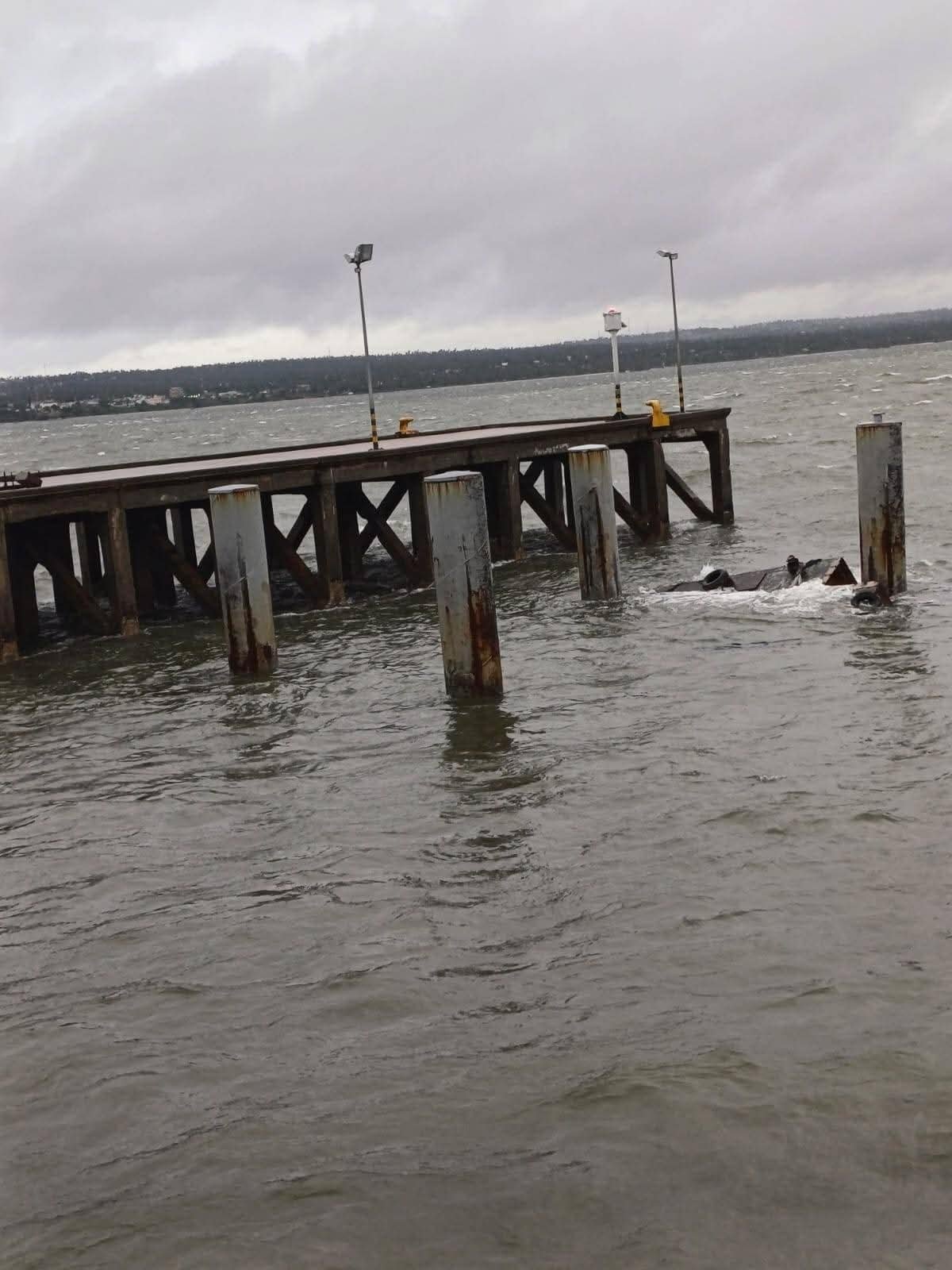
One of the most critical incidents was recorded in Inhambane city itself, where violent waves and storm surges destroyed the landing deck at the jetty bridge. The structure serves as a crucial socio-economic link between Inhambane and Maxixe, facilitating daily commuter flows, informal trade and small-scale transport operations. Its destruction underscores the vulnerability of coastal infrastructure to increasingly intense weather systems.
Despite the severity of the storm, authorities have so far reported no confirmed loss of life directly attributable to Gezani. That relative relief, however, sits alongside mounting material losses and renewed anxiety in a region already reeling from recent climate shocks.
According to meteorological projections, the system—identified as Tropical Cyclone “Gezani”—was located approximately 100 kilometres off the Inhambane coast at coordinates 24.0 degrees south latitude and 35.9 degrees east longitude. With average wind speeds of 155 kilometres per hour and gusts reaching up to 220 kilometres per hour, the cyclone has been powerful enough to generate waves as high as 13 metres south of the 22 degrees south parallel. It is forecast to continue moving in a south-easterly direction, gradually shifting away from the coast.
Yet as the storm tracks offshore, its effects are extending inland. The system has entered Gaza Province, a region already battered by catastrophic floods over the past fortnight that claimed dozens of lives. In low-lying districts, saturated soils and swollen rivers heighten the risk of further flooding and infrastructure collapse.
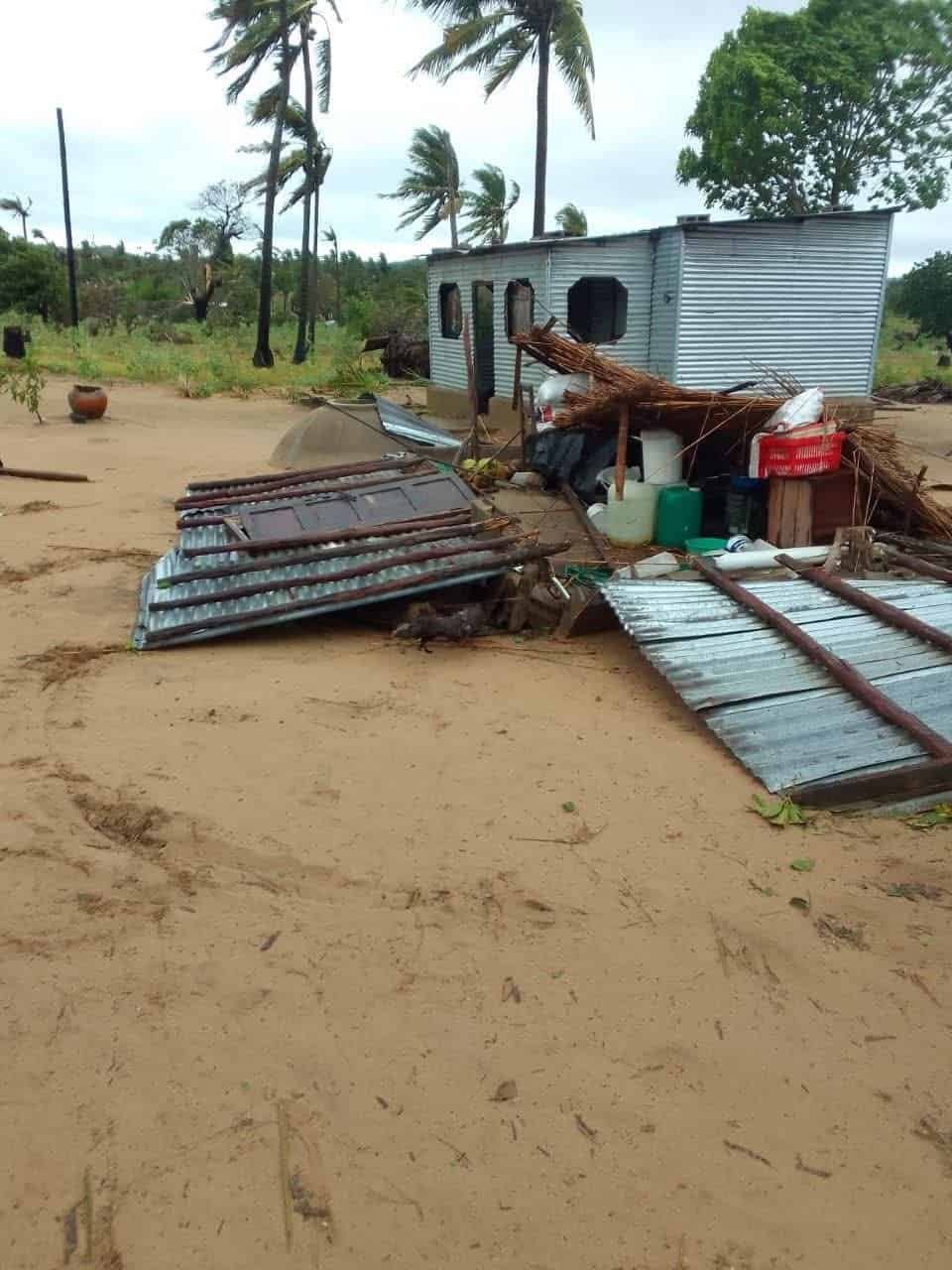
Local media report a worrying pattern: some residents in high-risk zones are reluctant to evacuate, choosing instead to remain behind to protect their belongings and properties. It is a stark illustration of the socio-economic trade-offs facing vulnerable communities. For many households, livestock, small businesses and modest assets represent years of accumulated effort. The decision to abandon them, even temporarily, carries profound financial and emotional consequences.
Gezani’s impact once again raises broader questions about resilience in southern Mozambique. Recurrent cyclones and floods have exposed structural weaknesses in housing standards, energy networks and coastal infrastructure. While early warning systems and evacuation campaigns have improved in recent years, the scale and frequency of extreme weather events appear to be intensifying, testing the limits of disaster preparedness frameworks.
As communities begin to clear debris and assess the damage, attention will inevitably turn to reconstruction—how to rebuild homes, classrooms and transport links in ways that are more resilient to future shocks. For a country already grappling with fiscal pressures and competing development priorities, the cost of recovery will be significant.
For now, southern Mozambique stands in a familiar posture: battered but watchful, hoping that Gezani’s retreat offshore marks not the prelude to another disaster, but the beginning of a fragile recovery.
The storm hit Mozambique after striking Madagascar, where it killed at least 35 people and wounded hundreds of people, destroyed properties and infrastructure.