ActionSA has announced that it will approach the Gauteng High Court in Pretoria to challenge the South African Police Service’s (SAPS) disciplinary findings that cleared Major General Wally Rhoode and Brigadier Hennie Rekhoto over their conduct during the investigation into the 2020 Phala Phala farm burglary.
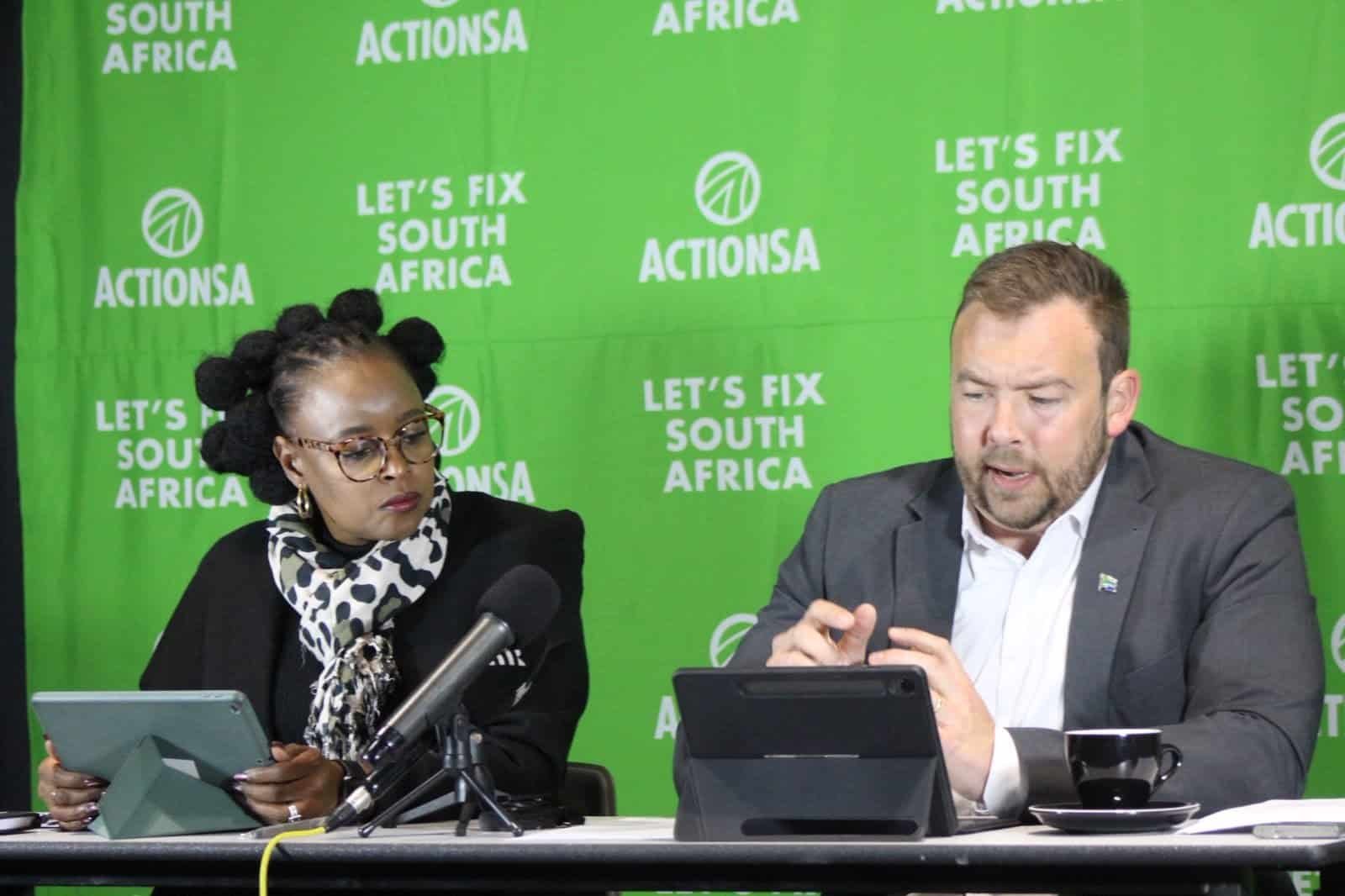
In a statement issued on Friday, ActionSA National Chairperson Michael Beaumont and Parliamentary Chief Whip Lerato Ngobeni said the party had instructed its legal team to institute review proceedings seeking to have the disciplinary findings reviewed and set aside.
The party said its decision followed an analysis of the SAPS Record of Decision, obtained through the Promotion of Access to Information Act (PAIA), which it believes reveals serious flaws in the disciplinary process.
ActionSA described the outcome as “a poorly constructed whitewash”, arguing that the disciplinary findings differed significantly from the conclusions reached by the Independent Police Investigative Directorate (IPID) and the Public Protector.
The party said the court application marks the latest step in its efforts to scrutinise the handling of the Phala Phala matter.
According to ActionSA, it previously obtained and published the IPID investigation report, which contained findings against members of the Presidential Protection Service. It also used parliamentary questions to establish that SAPS had internally cleared the implicated officers.
After comparing the IPID report, the Public Protector’s findings and SAPS’ disciplinary record, the party said it had identified what it described as material and unexplained contradictions.
Among the issues raised is the question of whether Major General Rhoode fulfilled his legal obligation to report the burglary and ensure that a criminal case was registered.
ActionSA said both IPID and the Public Protector concluded that Rhoode failed to comply with Section 13 of the SAPS Act by not reporting the crime through the prescribed chain of command. However, it said the SAPS disciplinary process instead placed responsibility elsewhere, including on the farm manager.
The party also challenged the disciplinary findings relating to what it described as an unofficial investigation into the burglary.
According to ActionSA, the Public Protector found that Rhoode assembled and directed an investigation before a formal SAPS case had been opened, while IPID similarly concluded that officers acted beyond their lawful mandate. Despite this, the disciplinary process largely accepted the explanations provided by the officers and dismissed allegations of misconduct.
The party further questioned the findings concerning Rhoode’s trip to Namibia following the burglary.
The party said IPID had identified inconsistencies in Rhoode’s explanation for the trip, while the disciplinary process accepted aspects of his account despite acknowledging that key corroborating evidence, including a statement from President Cyril Ramaphosa’s former political adviser Dr Bejani Chauke, had not been obtained.
The party also criticised the findings relating to Brigadier Rekhoto, arguing that IPID had concluded he knew about a serious criminal offence and had a duty to ensure it was properly registered through normal policing channels. The disciplinary process, however, concluded that responsibility rested with more senior officials.
ActionSA said the disciplinary process also failed to properly examine many of the misconduct allegations identified by IPID, including alleged failures to comply with legal obligations, acting outside lawful authority, falsifying records and conduct that brought SAPS into disrepute.
It further questioned the exclusion of an earlier statement made by Rekhoto, which the disciplinary process ruled inadmissible after finding that it had allegedly been obtained under duress.
The party argued that the disciplinary records, consisting of only a few pages, contained little evidence of a comprehensive disciplinary hearing, with no meaningful analysis of competing evidence or detailed testing of witness testimony.
The party said it would ask the High Court to determine whether the disciplinary process was procedurally fair and whether the evidence presented was rationally connected to the conclusions reached by the presiding officer.
In addition to its legal challenge, the party said it would ask Parliament’s Section 89 Committee to consider the complete disciplinary record as part of its inquiry into President Cyril Ramaphosa’s conduct in relation to the Phala Phala matter.
It also intends to request that IPID and the chairperson of the SAPS disciplinary proceedings appear before the committee to explain why different state institutions reached conflicting conclusions on substantially the same evidence.
ActionSA said it would continue using both legal and parliamentary processes to seek accountability and ensure that all developments relating to the Phala Phala matter are fully scrutinised.