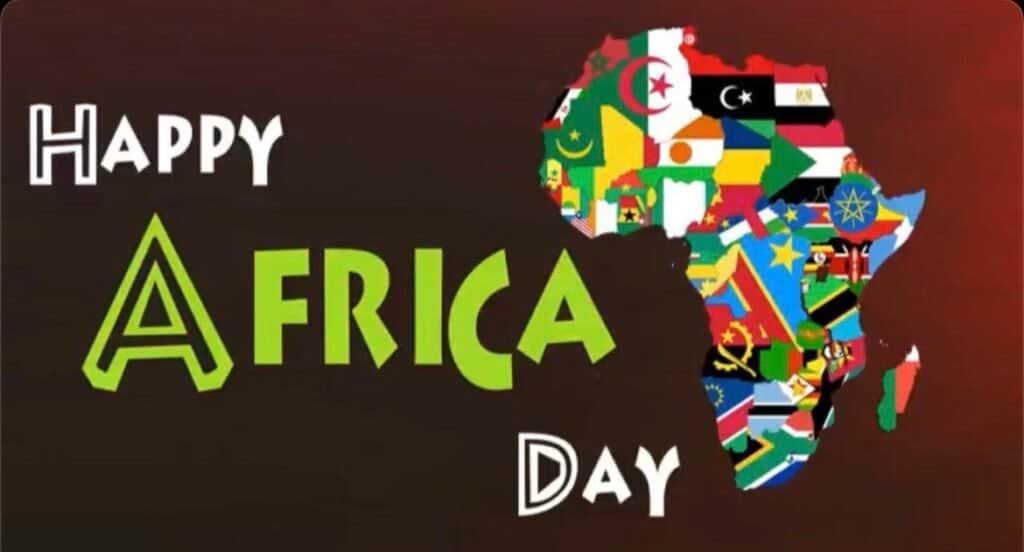
As Africans across the continent marked Africa Day on Monday, leaders, activists and civil society organisations used the occasion not only to celebrate the continent’s rich heritage and achievements, but also to reflect on the challenges threatening Africa’s future, including corruption, conflict, poverty and inequality.
In a statement commemorating the day, NOT IN MY NAME International called on Africans to embrace unity, accountability and ethical leadership as the continent continues its push for social and economic progress.
“As we commemorate Africa Day, we honor the profound strength, unyielding unity, and remarkable resilience of our beautiful continent,” said the organisation’s secretary-general, Themba Masango.
“From the rhythms of our diverse cultures to the bold, inspiring visions we hold for the future, Africa continues to rise — with pride, with determination, and with an unshakable sense of purpose.”
Africa Day is celebrated annually on 25 May to commemorate the founding of the Organisation of African Unity in 1963 in Addis Ababa. The body, established by 32 independent African states, was created to promote unity, liberation and cooperation among African nations during a period marked by colonialism and apartheid.
The organisation later evolved into the African Union in 2002, expanding its focus to economic integration, peacekeeping, trade and development across the continent.
This year’s commemorations took place against the backdrop of growing calls for African governments to strengthen democratic institutions, tackle corruption and improve economic opportunities for millions of young people facing unemployment and poverty.
Masango said corruption remained one of the biggest obstacles to Africa’s progress.
“Corruption in our business and political systems remains a formidable obstacle to the prosperity our people deserve. It erodes trust, diverts resources from the vulnerable, and betrays the sacrifices of those who fought for our freedom,” he said.
Across social media and public platforms, similar messages echoed from political leaders, activists and pan-African organisations who stressed the importance of unity and cooperation in addressing the continent’s shared problems.
Several African commentators also highlighted the significance of regional collaboration through initiatives such as the African Continental Free Trade Area, which aims to increase trade between African countries and reduce dependence on external markets.
Analysts say greater unity among African nations is critical to tackling cross-border challenges, including terrorism, climate change, migration crises, organised crime and economic instability.
Africa Day also serves as a reminder of the continent’s liberation struggles and the sacrifices made by anti-colonial and anti-apartheid leaders who fought for independence, dignity and self-determination.
From Nelson Mandela and Kwame Nkrumah to Julius Nyerere and Patrice Lumumba, Africa’s history is deeply rooted in the pursuit of unity and freedom against oppression.
Many organisations used the day to encourage young Africans to reclaim that vision by promoting ethical leadership, innovation, entrepreneurship and social justice.
In South Africa, Africa Day events included cultural celebrations, discussions on African identity and calls for stronger solidarity against xenophobia and discrimination targeting foreign nationals.
Experts say divisions between African countries and communities weaken the continent’s ability to negotiate globally, attract investment and fully benefit from its vast natural and human resources.
Masango said the continent could only unlock its true potential if Africans worked together and demanded accountability from leaders.
“We cannot fully honor Africa’s potential while allowing corruption to undermine our shared future. Let this day be both a celebration of who we are and a renewed commitment to accountability, transparency, and integrity — so that the Africa we love becomes the Africa we live,” he said.
“Together, we are Africa’s strength.”