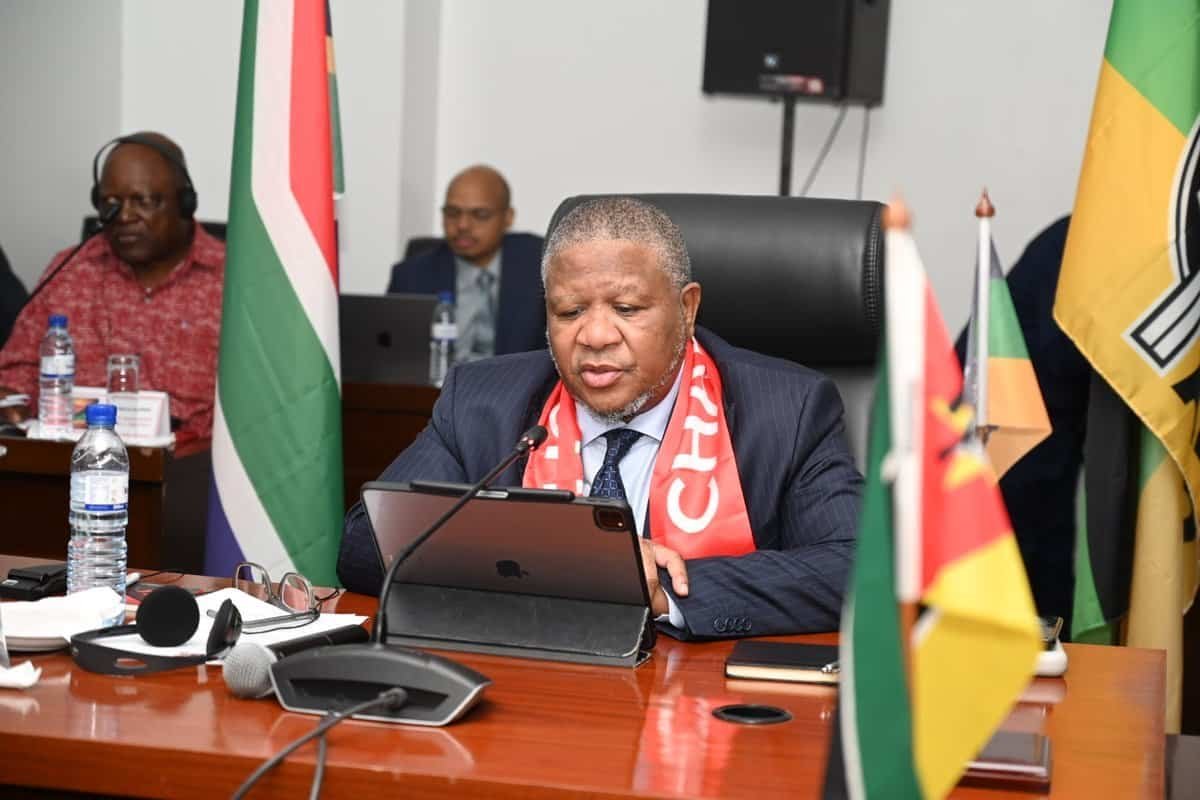
The African National Congress (ANC), South Africa’s governing party, has publicly distanced itself from the recent wave of xenophobic attacks targeting foreign nationals, emphasising that such actions are incompatible with the country’s democratic values and human rights commitments.
Speaking in Maputo during an official visit to Mozambique, ANC Secretary-General Fikile Mbalula condemned the attacks and reiterated the party’s opposition to any form of xenophobic violence.
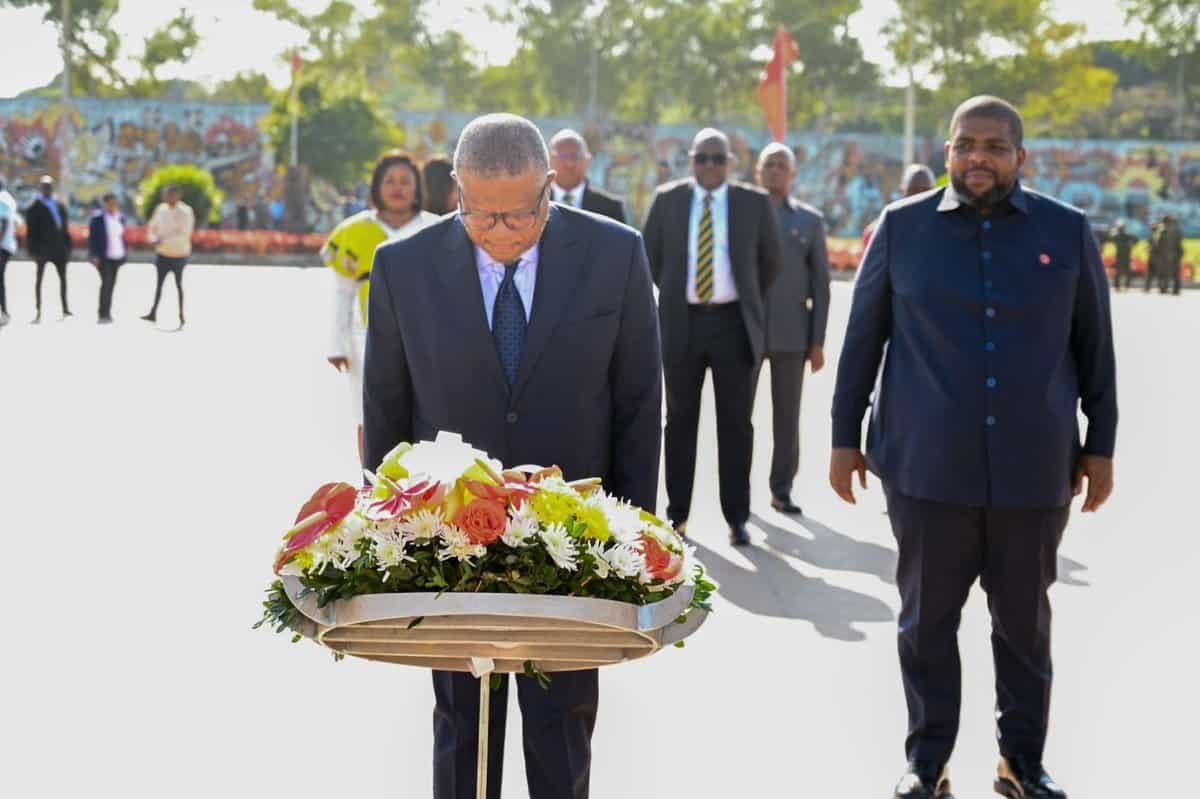
“We are against any xenophobic persecution because these tendencies are inhumane,” Mbalula said after laying a wreath at Heroes’ Square in the Mozambican capital.
“We accept that people may protest against illegal immigration and drug cartels, but we have been very clear that we do not support attacks on foreign nationals.”
Mbalula’s remarks come amid growing tensions in South Africa, where anti-immigration groups have intensified pressure on authorities, accusing undocumented migrants of contributing to crime, unemployment, and pressure on public services. Some protest groups have issued ultimatums demanding that foreign nationals leave the country by the end of June, while the South African government has recently announced stricter migration policies.
The ANC leader stressed that the government is pursuing a legal and institutional response to address concerns over migration and security rather than allowing communities to take matters into their own hands.
“President Cyril Ramaphosa made a public statement on this issue a few days ago, and that declaration was followed by concrete action,” Mbalula noted, without elaborating on specific measures.
Historic Allies Seeking Solutions
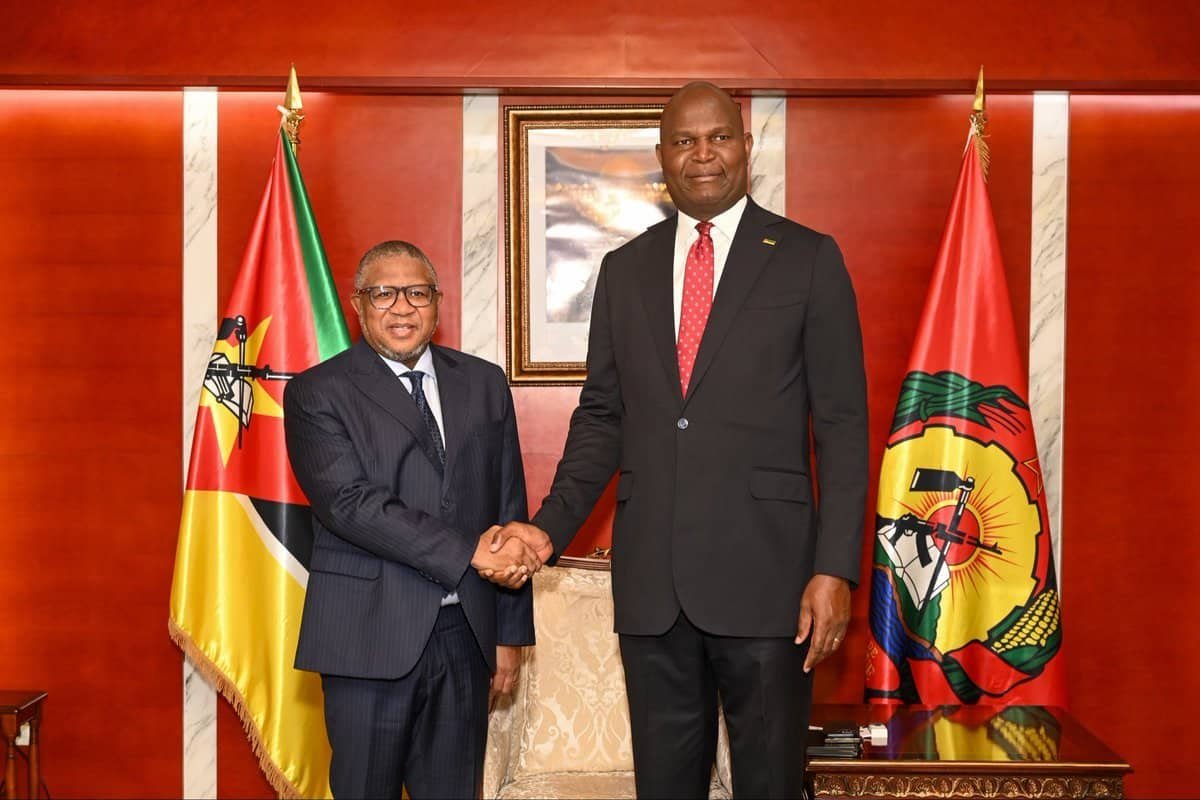
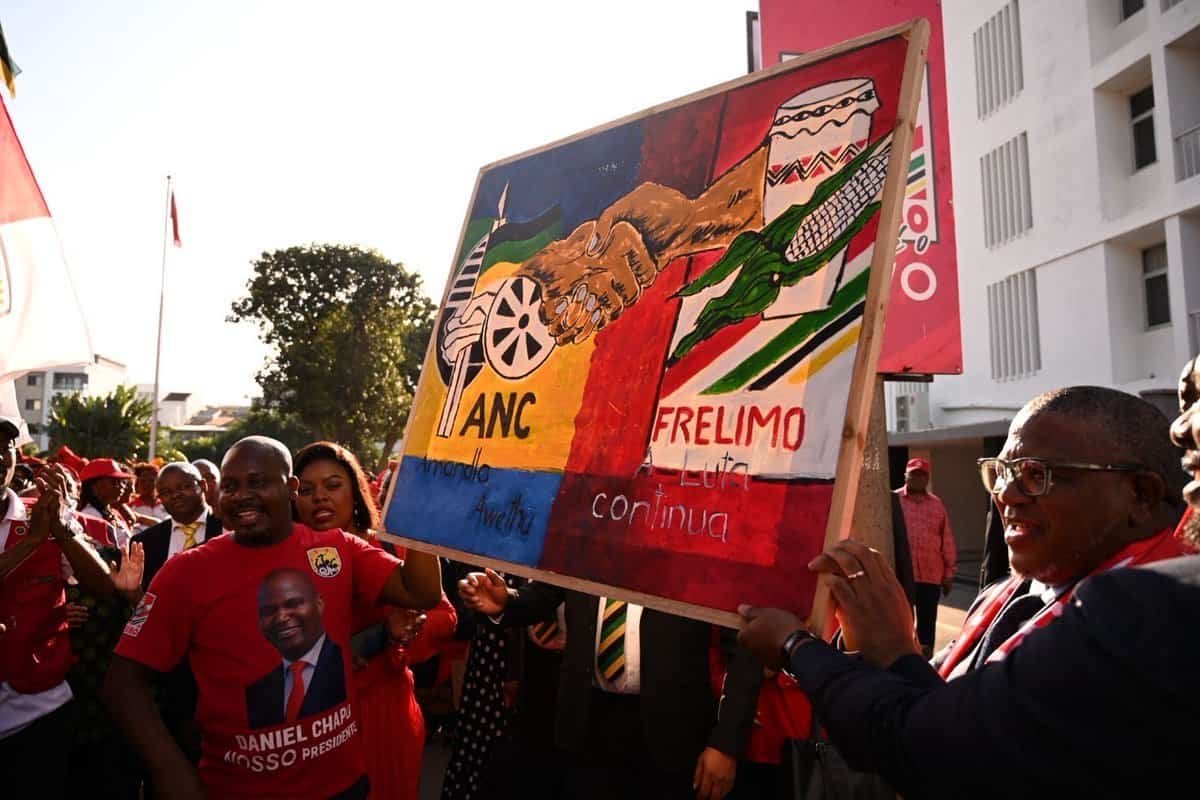
Mbalula’s visit to Mozambique forms part of ongoing efforts to strengthen ties between the ANC and Mozambique’s ruling party, Frelimo, whose historic relationship dates back to the liberation struggles that shaped Southern Africa during the twentieth century.
On his part, Frelimo Secretary-General Chakil Aboobacar used the occasion to reaffirm solidarity between the two parties and to reject attempts to portray xenophobic incidents as representative of South African society.
“This is not the position of the ANC, nor is it the position of the South African people,” Aboobacar said. “There is a group that seeks to promote these attitudes, which are contrary to human rights and South African law. We must continue to address this issue in depth.”
The comments reflect growing concern in Mozambique, one of the countries most affected by recurring outbreaks of xenophobic violence in South Africa. Thousands of Mozambicans live and work across the border, many employed in sectors such as mining, construction, agriculture, and domestic services.
Hundreds Return to Mozambique
According to Mozambican authorities, at least 714 citizens have returned home in recent days amid fears generated by the latest anti-immigrant incidents.
The Mozambican government announced this week that South African authorities had agreed to provide humanitarian assistance and transportation support for Mozambicans who choose to return voluntarily.
A statement from Mozambique’s government said an intersectoral government delegation sent to South Africa had concluded consultations with South African counterparts and secured several commitments aimed at protecting affected citizens.
Among the measures discussed were humanitarian assistance, transportation support for returnees, and plans for a bilateral meeting between ministers responsible for migration affairs.
The two governments also agreed to deepen cooperation on legal labour recruitment and the transportation of personal belongings for those affected by the unrest.
A Recurring Challenge
Xenophobic tensions have periodically erupted in South Africa since the end of apartheid, often fuelled by economic hardship, high unemployment, and competition for limited opportunities in poorer communities.
Foreign nationals from across the continent, including Mozambique, Zimbabwe, Malawi, Nigeria, and Ghana, have frequently been targeted during outbreaks of violence. In several instances, governments have organised repatriation programmes to assist citizens wishing to return home.
Human rights organisations have repeatedly warned that migrants and refugees are often unfairly blamed for broader socio-economic challenges. Analysts argue that while concerns over irregular migration require policy responses, violence against foreigners risks undermining South Africa’s reputation as a regional leader and champion of human rights.
For Mozambique and South Africa, whose economies and societies remain deeply interconnected, the latest tensions highlight the need for closer cooperation on migration management, border security, employment opportunities, and community integration.
As anti-immigration rhetoric continues to gain visibility in parts of South Africa, leaders from both countries are seeking to reassure citizens that the issue will be addressed through dialogue, law enforcement, and regional cooperation rather than intimidation and violence.