A routine political trip has turned into a national scandal after two senior ANC leaders in Mangaung were involved in a crash while travelling in a state-owned vehicle. The incident has raised fresh questions about the misuse of taxpayer-funded resources and whether government assets are being treated as private property by public officials.
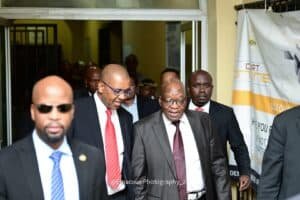
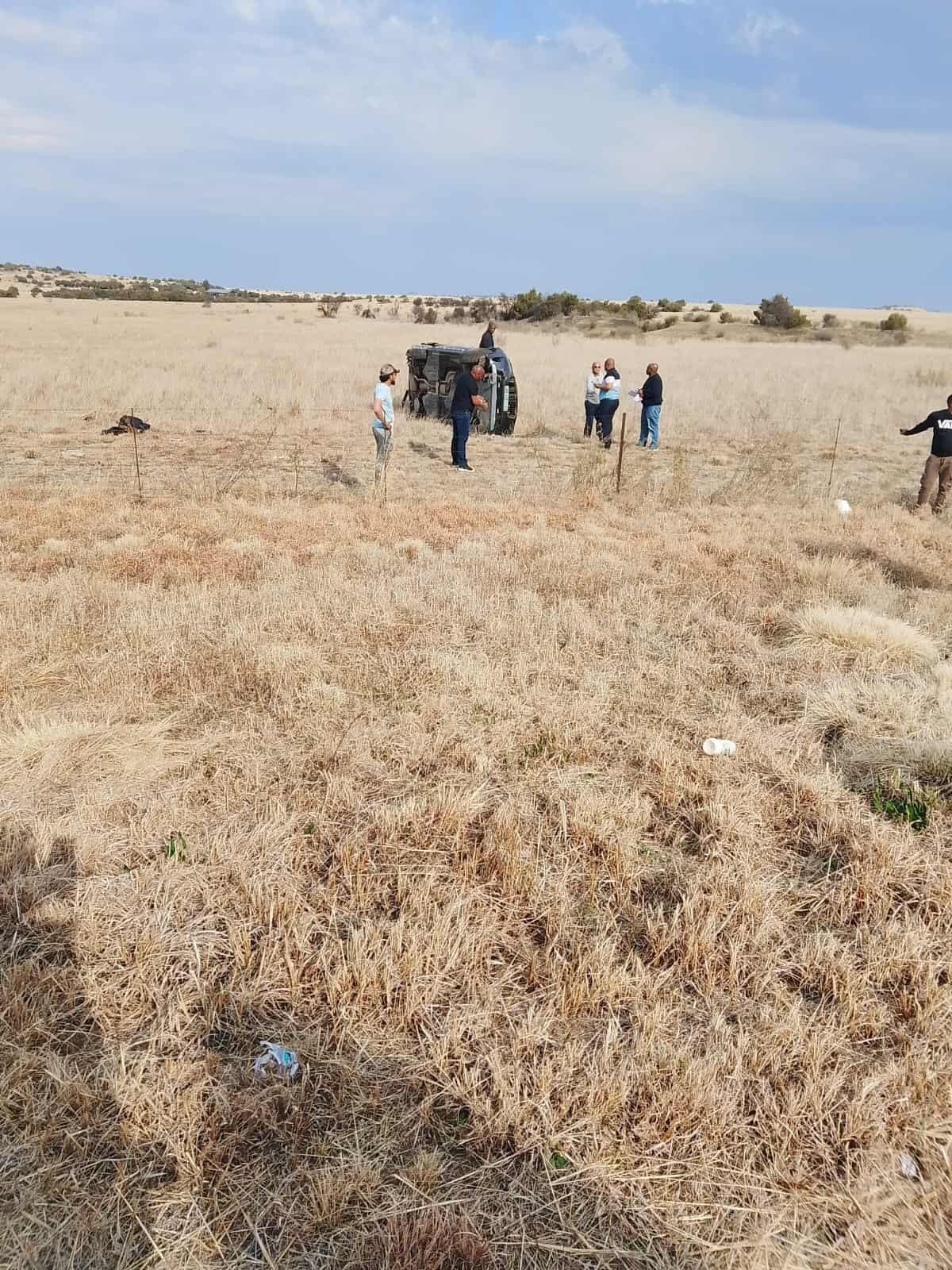
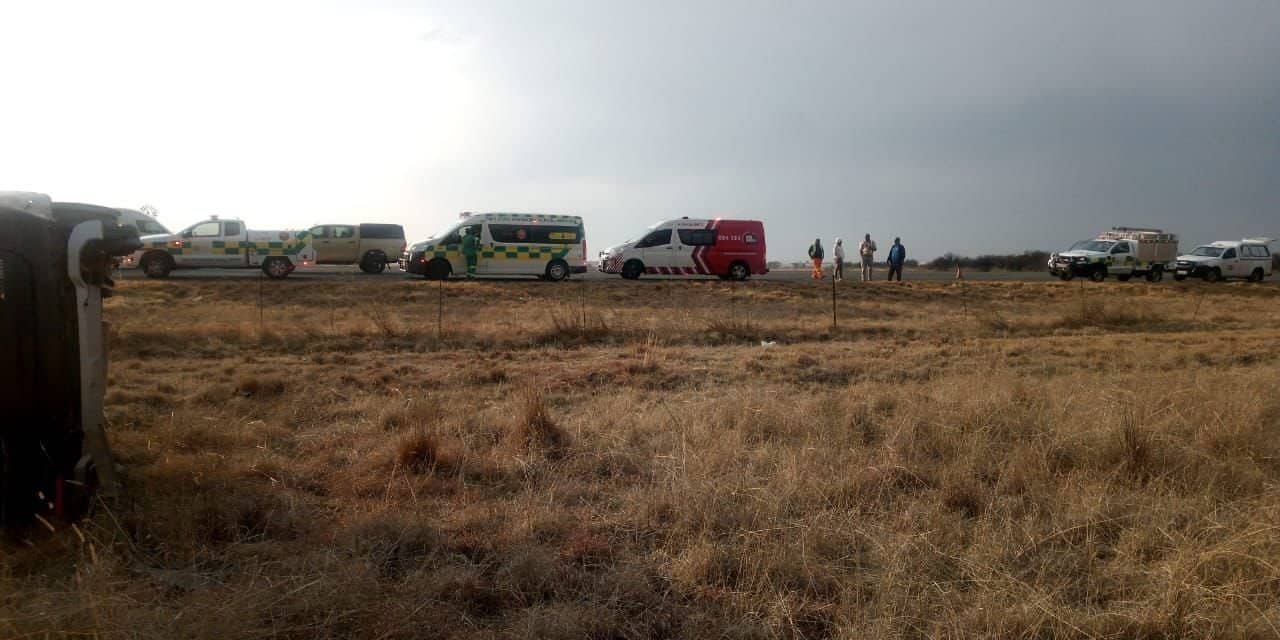
The accident happened on the N1 between Verkeerdevlei and Winburg on Friday when a vehicle allegedly carrying ANC Mangaung Regional Secretary Sabelo Pitso, Cllr. Vuyile Nyikelo (Chief Whip of the Mangaung Metro), and Lulama, an MMC and Secretary of the ANC Mangaung Region, lost control and rolled. Bodyguards were reportedly present in the convoy at the time.
While none of the officials were seriously injured, the wreckage of the state-owned vehicle sparked widespread outrage.
According to reports from StepUp SA News, the vehicle involved was from the government fleet — raising the crucial question of why ANC officials were using a car that belongs to the people of South Africa, and not their party.
The African Congress for Transformation (ACT) has called for full accountability, branding the incident as yet another abuse of state resources for private or political errands.
“Taxpayer-funded vehicles are for service delivery — not political errands or private trips,” ACT national spokesperson Rev. Mo’hau Khumalo told African Times.
He said ACT demands: the immediate suspension of the officials involved, a full investigation by the Department of Cooperative Governance and Traditional Affairs (COGTA) and the SAPS, the public release of Mangaung fleet logs, and the recovery of costs from the responsible individuals, “not the public purse.”
“While residents wait for water and pothole repairs, our leaders roll over taxpayer-funded cars. This is a betrayal of trust,” Khumalo said.
South Africa has strict regulations on the use of state-owned vehicles, governed by the Ministerial Handbook, the Public Finance Management Act (PFMA), and directives issued by the Department of Transport. Key rules include: government vehicles may only be used for official duties related to service delivery, law enforcement, or administrative work; personal or political use is strictly prohibited. Vehicles cannot be used for private errands, party political activities, or transporting officials to non-government events, logbooks must be kept for every trip, recording mileage, route, and purpose of travel. These logs are subject to audit, and drivers must be authorised officials — either government employees or contracted chauffeurs with valid permits.
The National Treasury has also emphasised that any misuse of state assets constitutes a breach of financial regulations, with disciplinary, civil, and potentially criminal consequences.
Legal experts say the misuse of government vehicles could fall under the Public Finance Management Act (PFMA): Misuse of state resources can be classified as “fruitless and wasteful expenditure,” which must be recovered from the official responsible. The Prevention and Combating of Corrupt Activities Act: If proven that officials knowingly used the car for non-official purposes, this could amount to corruption or abuse of office. Criminal Charges: Depending on the circumstances, SAPS may charge officials with theft, fraud, or even reckless driving if negligence caused the accident.
In 2021, the Auditor-General flagged millions lost annually due to the misuse of state fleet vehicles across municipalities. Fleet abuse remains one of the most common forms of irregular expenditure.
African Times contacted ANC national spokesperson Mahlengi Bhengu-Motsiri for comment on Sunday. At the time of publication, no response had been received.
The lack of comment has further fuelled criticism that the ruling party is reluctant to hold its officials accountable for conduct that undermines public trust.
Residents of Mangaung, already facing service delivery challenges, expressed anger on social media over the incident. Many asked why taxpayer money is being used for ANC leaders’ movements instead of addressing basic infrastructure issues like water outages, electricity disruptions, and potholes.
The Organisation Undoing Tax Abuse (OUTA) has in the past warned that state vehicles are being widely misused by political office bearers, costing the state millions each year.
With elections on the horizon, the scandal places additional pressure on the ANC to demonstrate accountability. Opposition parties are expected to pile on demands for disciplinary action, while civil society is likely to press for greater transparency in government fleet management.
ACT has positioned itself as a loud voice on accountability, framing the incident as symbolic of a wider culture of entitlement among political leaders.
“This is not just about one car rolling over. It’s about the principle: our leaders cannot continue living at the expense of struggling communities,” Khumalo said.
As investigations continue, the fate of the implicated ANC officials — and whether taxpayers will foot the repair bill — remains to be seen.