Accusations of double standards and factional favouritism are once again plaguing the African National Congress (ANC), after its Secretary-General Fikile Mbalula confirmed that embattled Police Minister Senzo Mchunu would not be required to step aside from party duties — despite being placed on special leave by President Cyril Ramaphosa amid a serious judicial inquiry.
The announcement has triggered fierce public backlash, with critics pointing to what they call the “Animal Farm logic” of the ruling party: some comrades are more equal than others.
Mbalula’s remarks came just days after KwaZulu-Natal Police Commissioner Lieutenant-General Nhlanhla Mkhwanazi publicly alleged that Mchunu interfered in operational policing decisions, and had ties to a covert syndicate linked to procurement irregularities within SAPS and Crime Intelligence. The explosive claims prompted Ramaphosa to place Mchunu on special leave on July 13, pending the outcome of the inquiry chaired by retired Judge Zukiswa Mbatha.
But speaking at the ANC National Working Committee (NWC) meeting in Cape Town on Sunday, Mbalula stated emphatically: “Mchunu will not step aside in relation to the ANC. He is an elected member, entitled to present his side of the story. The step-aside rule is clear — it is triggered only when a member is criminally charged or appears in court.”
Rule or Ruse?
The ANC’s controversial step-aside rule, adopted to clean up its ranks, states that: “Members who have been charged with corruption or other serious crimes shall step aside from all leadership positions and party activities until their name is cleared.”
It has been invoked in high-profile cases such as those of former Secretary-General Ace Magashule, former State Security Minister Bongani Bongo, and most recently, ex-Minister Zizi Kodwa — all of whom were suspended or forced out of active political roles after being formally charged in court.
Magashule was expelled from the ANC last year, while Kodwa resigned his cabinet post in June after being granted R30,000 bail in a R2.4 million graft case involving technology contracts.
Now, critics say the ANC is making technicalities its shield — insulating political allies while using the rule as a blunt weapon against perceived threats or rivals.
Political analyst Dr Nompumelelo Hlophe said Mbalula’s statement “exposes the selective morality within ANC structures.”
“This is a classic case of internal factionalism influencing outcomes. It’s a pattern: if you’re aligned with the dominant grouping, you’re protected. If not, you’re sacrificed in the name of renewal,” she said.
“The special leave decision by the President itself is an admission of political and ethical concern. For Mbalula to pretend otherwise is disingenuous. The ANC is once again asking South Africans to separate morality from legality when it suits them.”
Mkhwanazi’s Bombshell
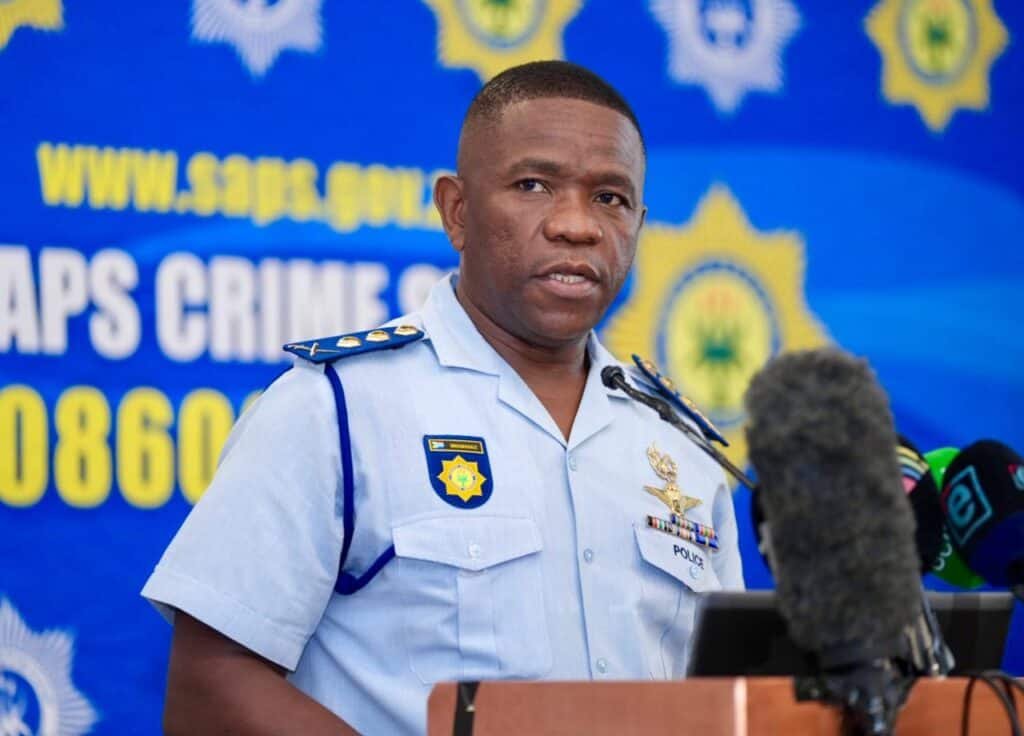
The storm around Mchunu erupted after Commissioner Mkhwanazi, speaking under oath before the Judicial Commission into Political Interference in Policing, named the minister as having applied pressure in the appointment of certain SAPS officials and attempted to influence tender decisions.
“Operational independence has been compromised,” Mkhwanazi testified. “There are links between political figures and syndicates that undermine law enforcement. Minister Mchunu must answer for his role.”
These serious accusations were enough for President Ramaphosa to swiftly remove Mchunu from day-to-day operations — a move the Presidency described as necessary to protect the integrity of policing and to allow for due process.
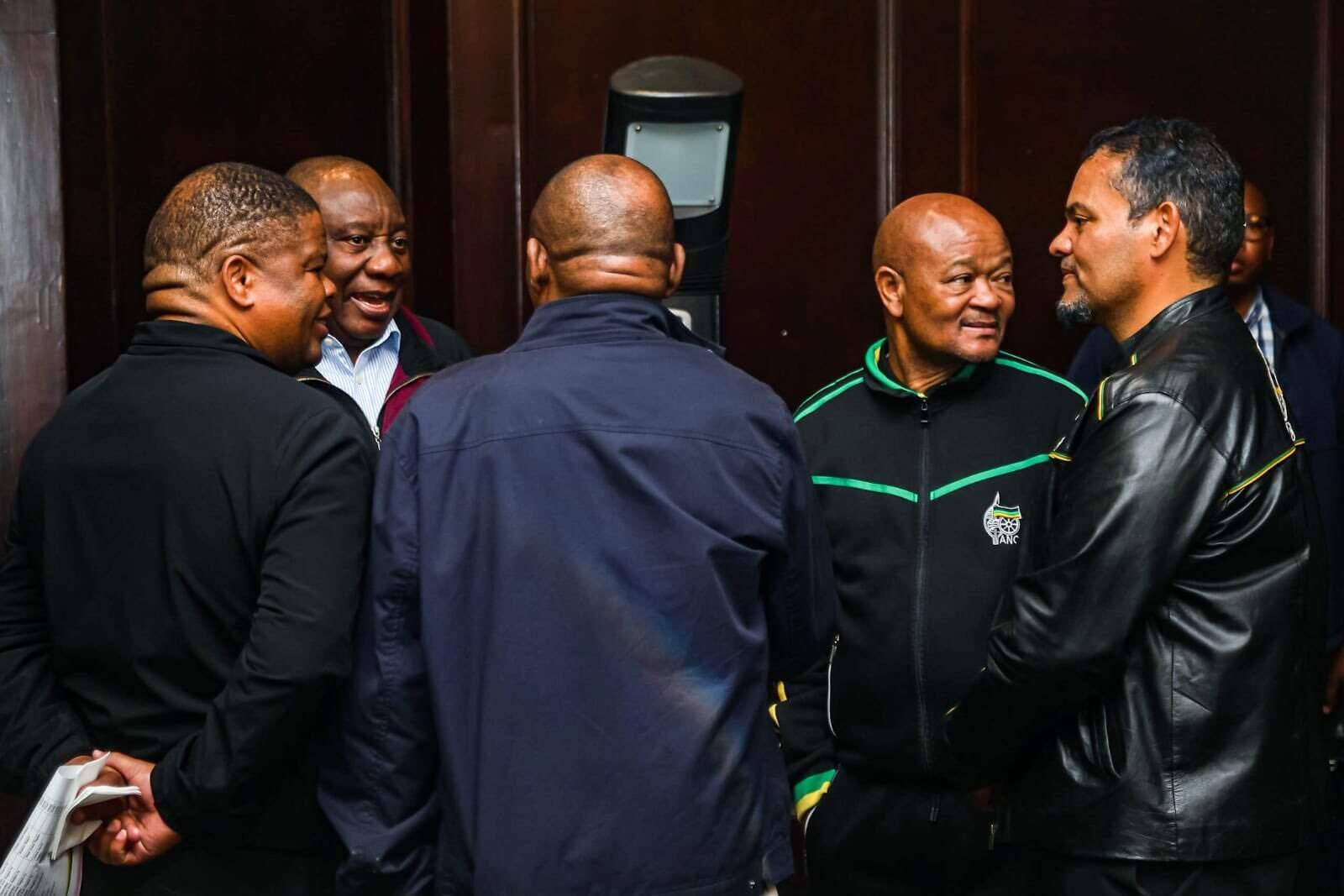
Yet, within the ANC, Mchunu remains active and influential — attending internal meetings and taking part in strategic discussions.
Online Uproar: ‘It’s Animal Farm’
On social media platform X, South Africans vented their frustration.
“Step-aside was made for Bra Ace Magashule and Zuma loyalists. People who still vote ANC are the new Apartheid police,” wrote user @MinisterSpeaker.
“ANC is marked by poor strategic communication, moral ambiguity, and selective justice,” posted @KeepGoing.
“Mbalula acts like the President. No wonder this party is collapsing,” said @ZuluLoveLetter.
The outcry mirrors broader concerns about the rule of law and public confidence in democratic institutions. The timing couldn’t be worse for the ANC, still struggling to piece together a workable Government of National Unity (GNU) following its electoral slump in May, where it failed to secure a majority for the first time in democratic history.
Analysts Warn of ‘Cracks in Renewal’
Political analyst Sandile Swana said Mbalula’s comments may weaken the ANC’s credibility even further.
“The ANC likes to say it is renewing itself — but what does that mean in practice when different rules apply to different comrades? It’s an insult to the voters and to party loyalists who believe in ethical leadership.”
Swana warned that repeated failures to apply consistent disciplinary action could embolden corrupt elements and deepen internal divisions.
“We’ve seen it before — denialism, factional spin, and eventually, collapse. The ANC must decide if it wants to save itself or continue protecting the connected elite.”
What Next for Mchunu?
For now, Mchunu remains on special leave with no formal charges laid. The commission of inquiry is expected to complete its work within two months. Should adverse findings emerge, Ramaphosa may be forced to take further action — though whether the ANC will follow suit remains in doubt.
Until then, the question lingers: in Cyril Ramaphosa’s New Dawn, are some comrades simply more equal than others?