Deputy Minister of Defence and Military Veterans Bantu Holomisa has stressed the critical importance of strengthening military health systems as the South African National Defence Force (SANDF) prepares for deployments in gang-affected areas of the Western Cape.
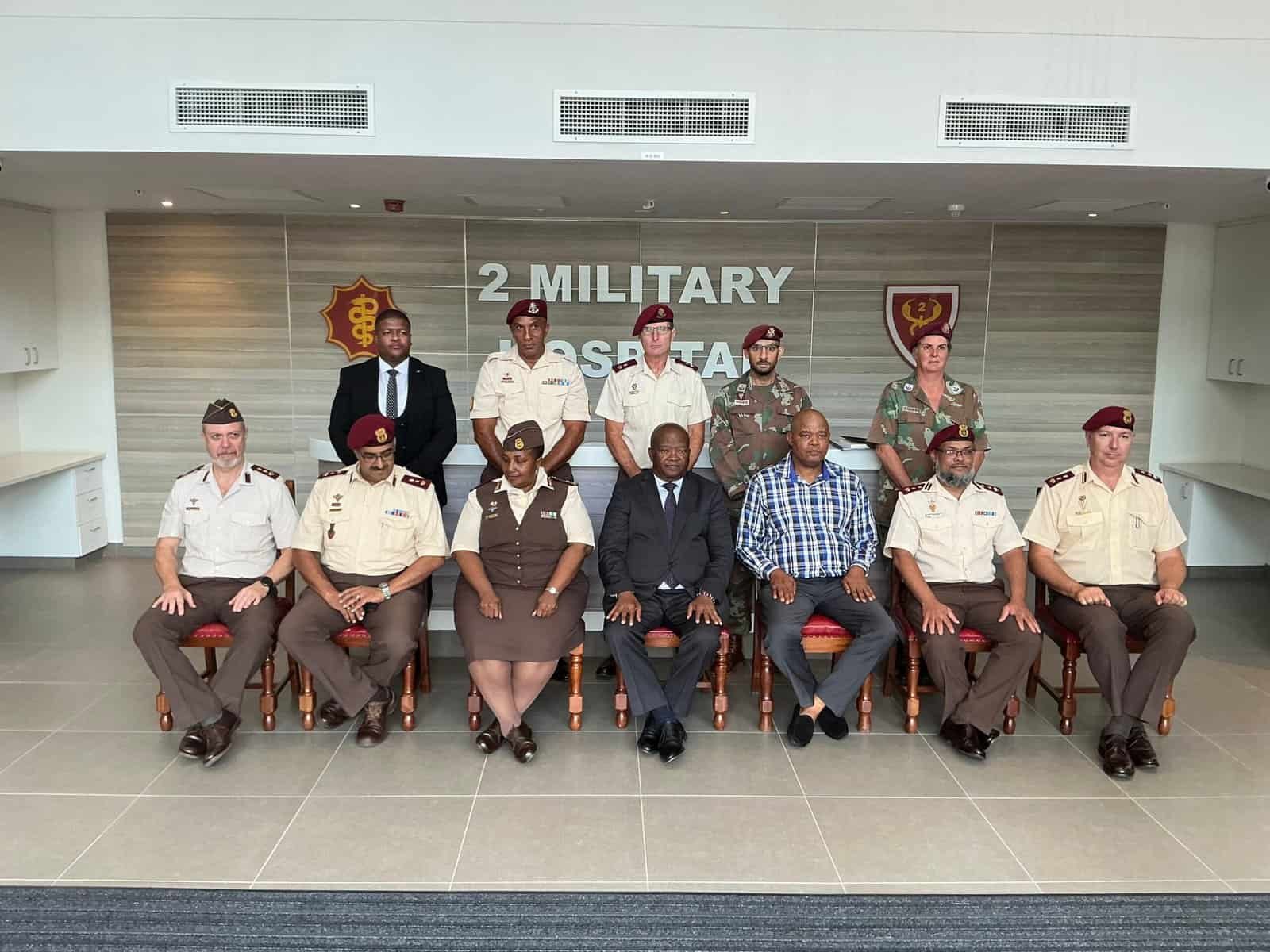
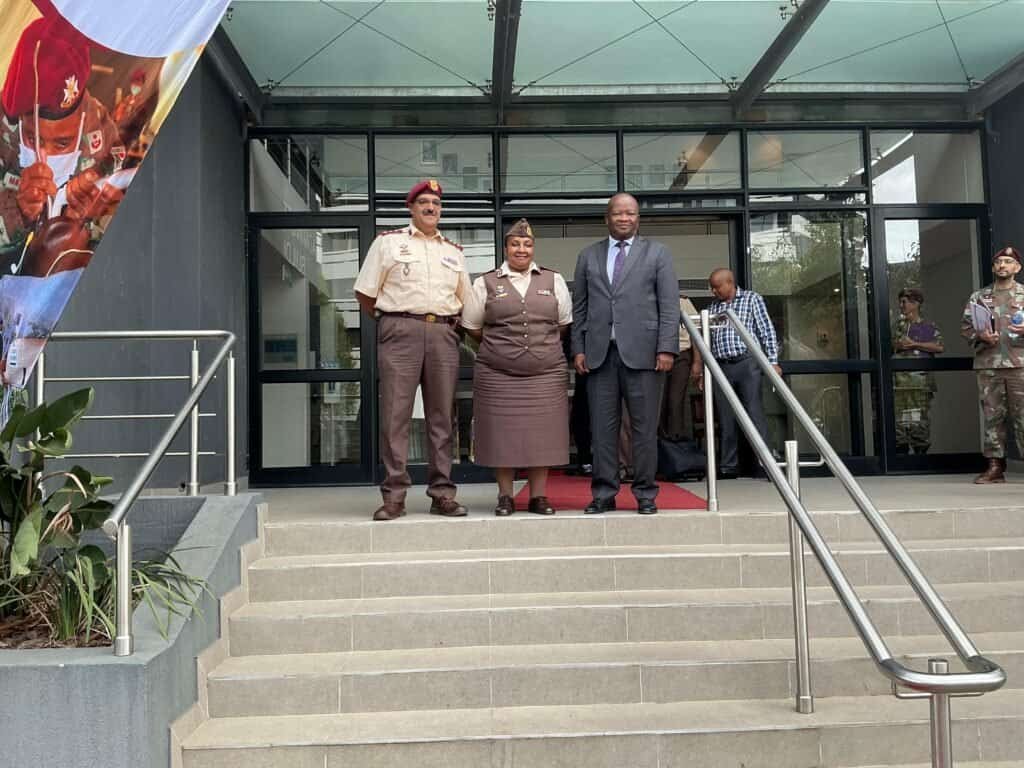
Holomisa was speaking during an oversight visit to 2 Military Hospital in Wynberg, Cape Town, on Wednesday, where he assessed the readiness of the facility’s pharmacy services and broader healthcare infrastructure. The visit forms part of a wider government push to ensure military preparedness following directives issued by President Cyril Ramaphosa during his recent State of the Nation Address.
The deployment of SANDF members is expected to support crime-combating and stabilisation efforts in gang-stricken communities, placing renewed pressure on military medical facilities to operate at peak efficiency.
Holomisa described 2 Military Hospital as a “critical pillar” of the South African Military Health Service (SAMHS), noting its role in providing healthcare to SANDF members, military veterans, their dependants and other beneficiaries across the Western Cape. Alongside 1 Military Hospital in Pretoria and 3 Military Hospital in Bloemfontein, the facility forms part of the backbone of military healthcare in the country.
However, he acknowledged that the institution, like many others, is grappling with ageing infrastructure, resource constraints and operational challenges.
“Many of these facilities were constructed decades ago and require continuous modernisation to meet current healthcare standards,” Holomisa said, adding that compliance with professional and regulatory requirements must remain non-negotiable.
A key focus of the visit was the hospital’s pharmacy services, which Holomisa described as central to effective patient care. He emphasised that efficient systems for the procurement, storage and dispensing of medicines are essential for both routine healthcare and operational readiness.
“Without an efficient and compliant pharmacy system, clinical care cannot function optimally,” he said.
The urgency of these improvements is underscored by the SANDF’s imminent deployment in the province. Holomisa noted that 2 Military Hospital will play a vital role in supporting troops through pre-deployment medical assessments, pharmaceutical readiness, trauma care and post-deployment treatment.
“The effectiveness of any deployment is directly linked to the reliability of its medical support systems,” he said. “When soldiers are deployed, they must do so with confidence that their health needs will be met without delay.”
Holomisa also reflected on the historical challenges facing military infrastructure, pointing out that many facilities were developed during a period when defence spending received significant budgetary priority. Since 1994, however, government policy has shifted more strongly toward social security, resulting in reduced investment in military infrastructure.
This shift, he said, has left the Department of Defence struggling to maintain and upgrade a large portfolio of ageing facilities while continuing to deliver essential services.
“In the short term, it is unlikely that the fiscus will provide sufficient capital injection to fully address these infrastructure backlogs,” Holomisa warned.
To address this funding gap, he called for innovative financing solutions, including structured partnerships with the private sector. He urged SAMHS leadership to engage with SANDF commanders to explore Public Private Partnerships (PPPs) as a means of accelerating infrastructure development and modernisation.
Such partnerships, he argued, could deliver modern, fit-for-purpose facilities equipped with up-to-date medical technology while reducing project delays, curbing corruption risks and ensuring better maintenance of assets.
Holomisa also proposed leveraging state-linked investment institutions such as the Public Investment Corporation (PIC), which manages funds including the Government Employees Pension Fund. He suggested that defence infrastructure, particularly hospitals, could be incorporated into long-term property investment strategies.
“There is no reason why strategic portions of defence infrastructure cannot form part of secure property investments,” he said, adding that funds like the Isibaya Fund should prioritise stable, income-generating infrastructure such as hospitals, universities and clinics.
According to Holomisa, a well-structured investment model could allow the Department of Defence to access modern facilities while maintaining strategic control and ensuring sustainable returns for pensioners.
Ultimately, he emphasised that the readiness of 2 Military Hospital extends beyond regional importance, framing it as a matter of national security.
“Strengthening pharmacy compliance, ensuring medicine availability and improving systems here directly contribute to the operational readiness of the SANDF in the Western Cape,” he said.
Holomisa concluded by commending healthcare professionals and support staff at the facility for their dedication, expressing confidence that ongoing collaboration would help strengthen military health services during a critical period for the province.