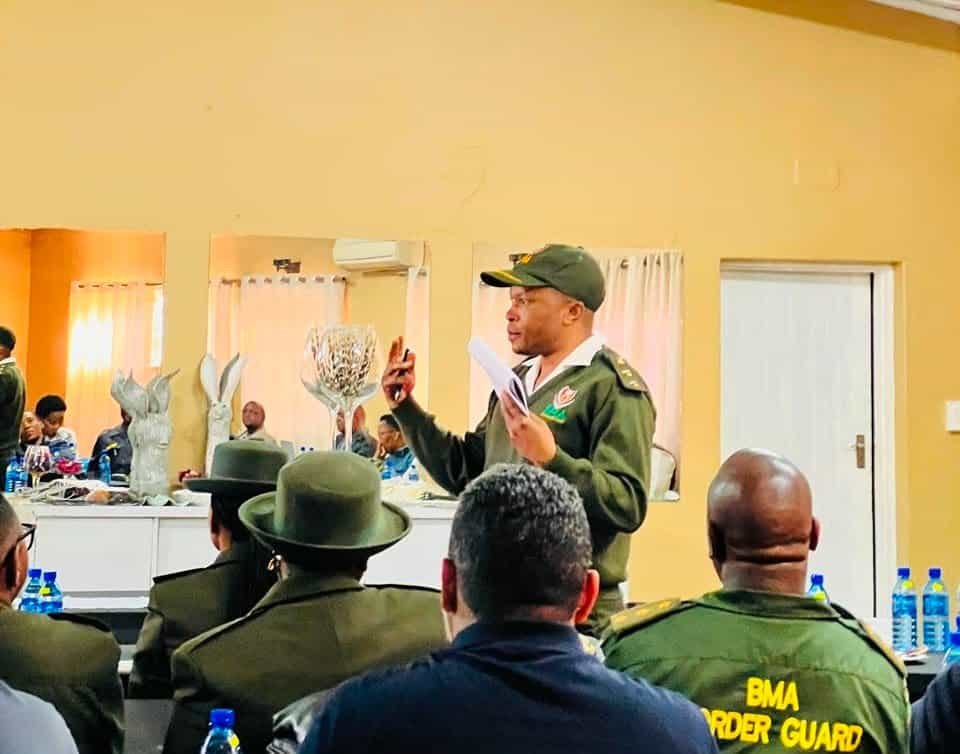
The Border Management Authority has strengthened South Africa’s preparedness for public health emergencies by conducting a two-day Ebola Virus Disease simulation exercise at the Beitbridge Port of Entry in Musina, Limpopo.
The exercise, held from 19 to 20 August, was the BMA’s second Ebola simulation this year and follows a similar exercise conducted at OR Tambo International Airport on 19 June.
The latest exercise focused on testing South Africa’s ability to detect, assess and respond to a suspected case of Ebola at one of the country’s busiest land borders.
BMA Commissioner and Chief Executive Officer Dr Michael Masiapato said the exercises were important in identifying gaps in existing systems and strengthening coordination between agencies responsible for border management and public health.
“Preparedness is fundamental to effective border management and the protection of public health,” Masiapato said.
He said the Beitbridge exercise provided an opportunity to test the country’s readiness in a high-volume land border environment while strengthening cooperation with health authorities, emergency services, law enforcement agencies and international partners.
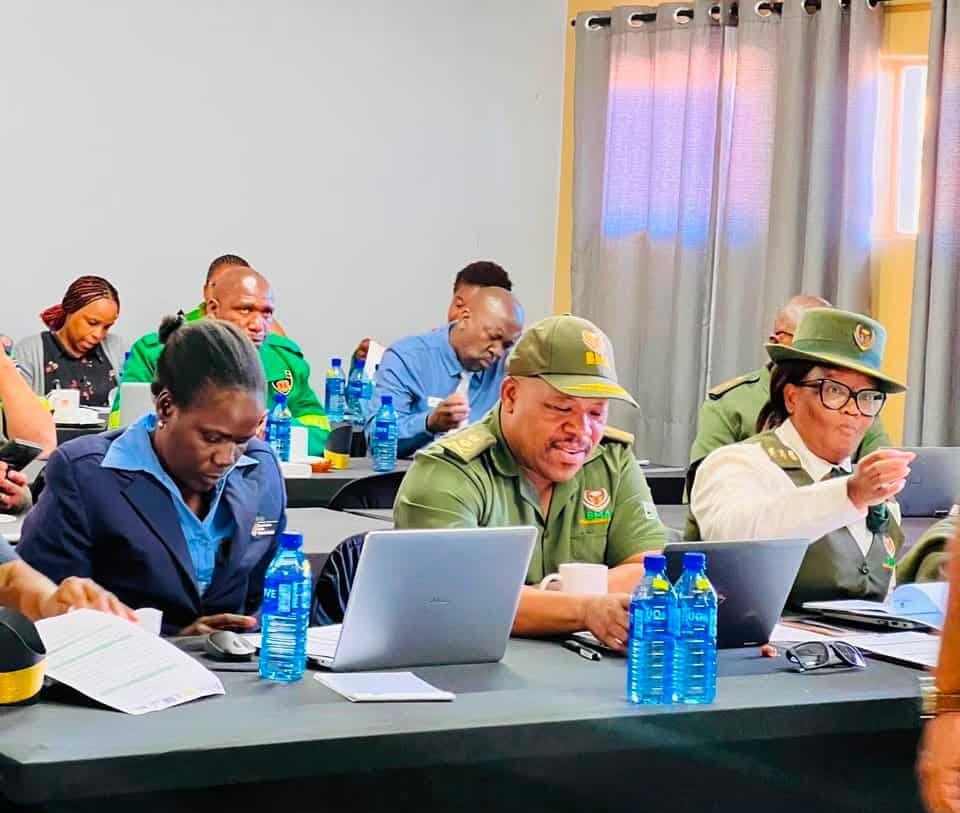
The exercise brought together officials from the national and provincial departments of health, the National Institute for Communicable Diseases, Emergency Medical Services, South African Revenue Service Customs, the South African National Defence Force, Musina Local Municipality and Zimbabwean health authorities.
The Department of Agriculture, the United States Centres for Disease Control and Prevention, the Johns Hopkins Program for International Education in Gynaecology and Obstetrics and other technical partners also participated.
The BMA delegation was led by Assistant Commissioner Murdock Ramathuba and included officials from Port Health, Port Agriculture, Port Immigration, Risk Management and other operational functions.
The exercise simulated the management of a suspected imported Ebola case and tested procedures ranging from early detection and assessment to notification, isolation and infection prevention.
Officials were also required to test systems for patient referral, contact identification, environmental decontamination and the management of disinformation.
The first day involved a tabletop exercise, where stakeholders tested strategic coordination, notification procedures, organisational responsibilities, risk communication and the sharing of information across the South Africa-Zimbabwe border.
The second day involved a functional exercise at the port and a hospital, allowing participants to put response plans into practice under simulated conditions while normal border operations continued.
Particular attention was given to the role of BMA Port Health Services in screening travellers, isolating suspected cases and notifying relevant authorities.
Officials also tested procedures for safely transporting patients, decontaminating affected areas, identifying people who may have been exposed and communicating with travellers and other stakeholders.
Beitbridge is South Africa’s busiest land border crossing and a major gateway between South Africa and Zimbabwe. It handles large volumes of commercial freight, public transport, private travellers and goods daily.
The port is also a designated point of entry under the International Health Regulations of 2005, placing it at the centre of efforts to prevent, detect and respond to public health threats linked to international travel and trade.
The BMA said the exercise was part of its ongoing efforts to ensure that public health threats can be identified and contained while allowing the safe movement of people and goods across the country’s borders.
The authority said continued simulation exercises would help strengthen preparedness, improve coordination and ensure that lessons identified during exercises are incorporated into future emergency response planning.
The BMA also urged members of the public to report illegal activities through its Operation HI-TIVISE reporting channels.
Ebola Virus Disease (EVD) is a rare but severe illness caused by the Ebola virus.
The current Ebola outbreak in the Democratic Republic of the Congo (DRC) makes the BMA’s Beitbridge exercise particularly relevant.
As of 12 August 2026, the World Health Organisation reported 4,665 confirmed Ebola cases and 2,184 deaths in the DRC, giving the outbreak a reported case fatality ratio of 46.8%. WHO says it is the largest Ebola outbreak ever recorded in the DRC.