Diplomat Kirill Logvinov speaks about the implementation of UN goals and Russia’s cooperation with its BRICS partners
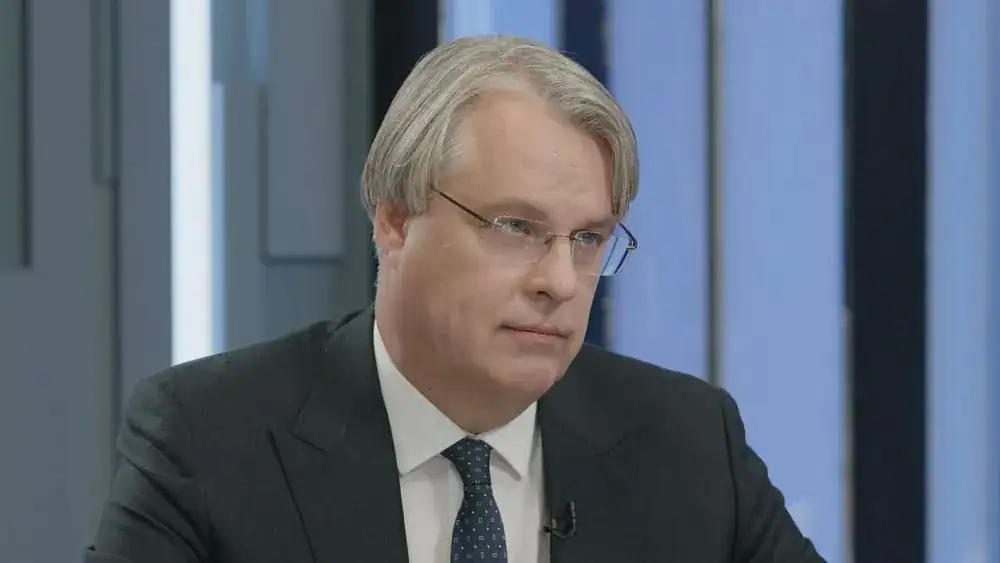
Russia and the BRICS countries can shape a unifying sustainable development agenda for the period beyond 2030. This was stated by Kirill Logvinov, Director of the Department of International Organisations at the Russian Foreign Ministry, on the BRICS Dialogue programme.
According to him, Russia is making consistent progress in implementing the United Nations Sustainable Development Goals (UN SDGs). Extreme poverty has been eradicated, while the share of the population experiencing food shortages has been reduced to zero. Mortality among children under five fell by 33.8 per cent between 2015 and 2023. One hundred per cent of the population has access to electricity, while 99.5 per cent use clean fuels and technologies.
“Thanks to the experience accumulated in the Russian Federation, in other countries of the group and by the group as a whole, we are now able not only to share experience but also to shape a unifying agenda. After 2030, we need to think about what comes next. And this, of course, I consider a major advantage: our experience can serve as a catalyst for developing approaches to what we will do after 2030,” Logvinov stressed.
The diplomat also focused separately on energy. In 2024, when Russia held the BRICS Chairship, the group’s countries formulated common approaches to a just energy transition through the BRICS Energy Research Cooperation Platform.
In practical terms, Russia shares technologies with its BRICS partners: hydropower plants are being designed and modernised in India, Indonesia and Ethiopia, Russian nuclear technologies are being used in China, India, Egypt and Iran, while new projects are planned with Ethiopia and Indonesia.
“What is important is that these are not simply isolated projects; they are part of systematic work based on the understanding that this energy transition must work for people,” Logvinov stressed.
In addition, the diplomat gave examples of Russian programmes that contribute to achieving the SDGs. These include the national project “Family”, the indexation of maternity capital and the extension of the family mortgage programme. A concept extending to 2030 has been approved for citizens with disabilities: the employment rate among people with disabilities is expected to rise to 75 per cent. Another project is “Infrastructure for Life”. It covers 2,000 settlements where living conditions are being improved.
Logvinov noted that the UN serves as a platform for exchanging experience. Russia participates in conferences on financing for development. These include the Monterrey Consensus, the Addis Ababa Action Agenda and the Sevilla Commitment. According to him, BRICS countries are like-minded partners in implementing the SDGs.
African Times published this article in partnership with International Media Network TV BRICS