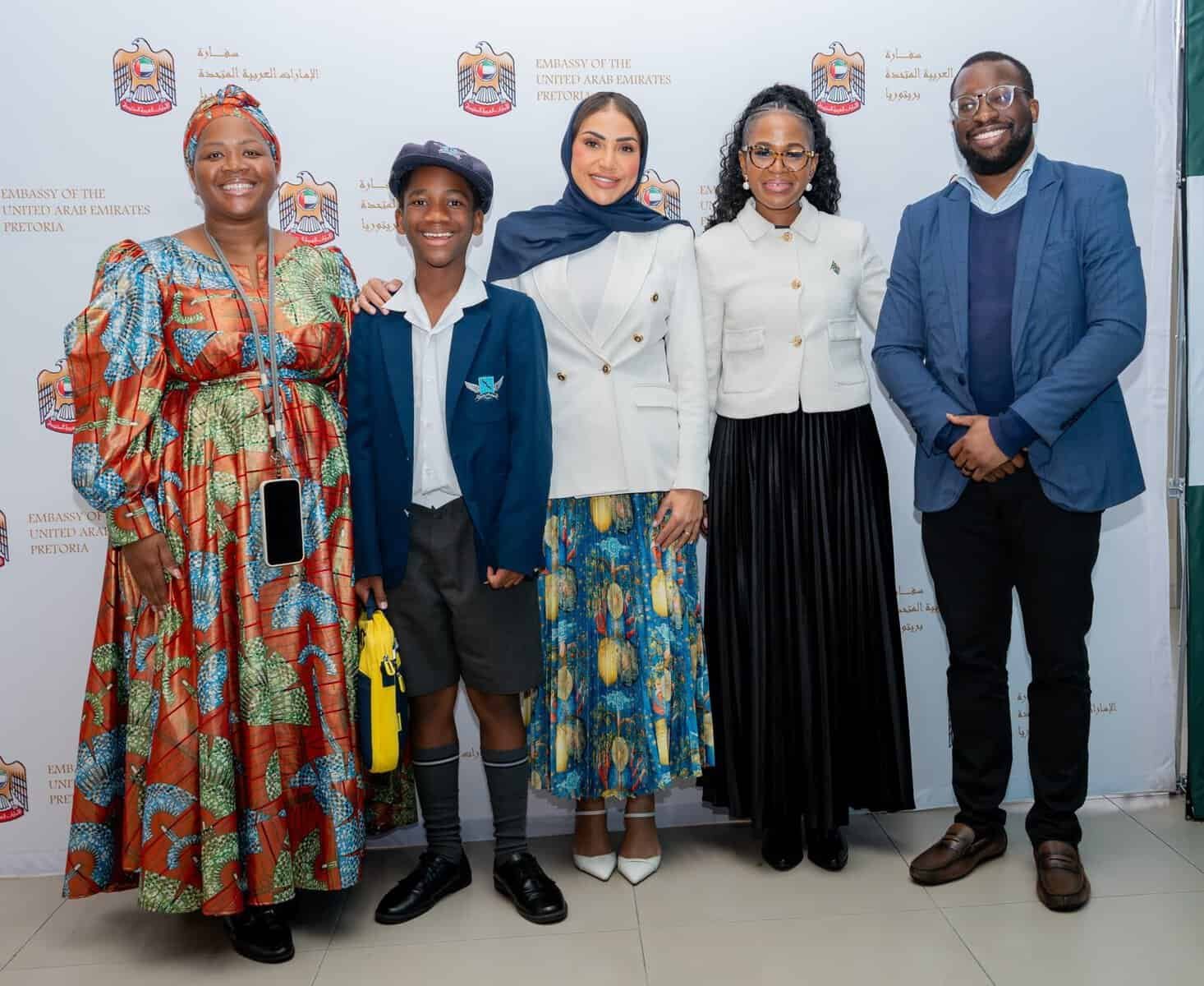
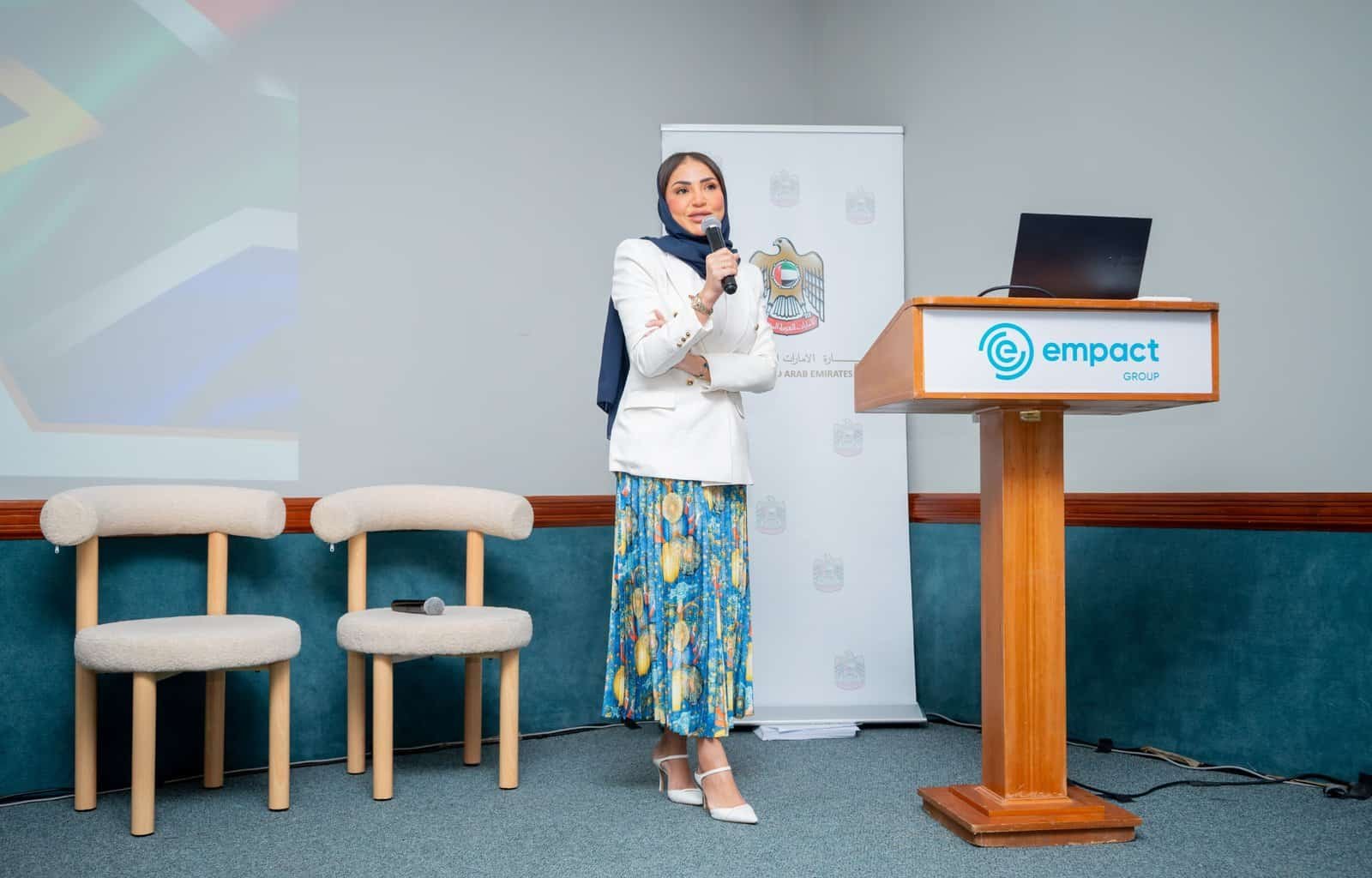
In a significant step to deepen economic ties and foster youth-driven innovation, the Young Innovators Dialogue, hosted by the Embassy of the United Arab Emirates (UAE) in South Africa, has created a pivotal platform connecting the country’s emerging entrepreneurs with opportunities in the UAE.
The event, held in Sandton, Johannesburg, on Tuesday, brought together young innovators, investors and mentors, underscoring a shared commitment to cross-border collaboration.
As stated by Mahash Saeed Alhameli, Ambassador of the United Arab Emirates to South Africa, the initiative reflects a core belief that “innovation and entrepreneurship are essential drivers of progress,” aiming to build “a foundation for shared prosperity, mutual growth, and lasting partnerships between our nations.”
He said the dialogue was strategically designed with a two-pronged mission: to highlight the vibrant innovation ecosystem of the UAE for South African talent, and to connect them with local mentors and financiers who can guide them from prototype to market.
Rather than focusing on specific sectors, the event championed a problem-solving approach, showcasing successful local startups like eFama and Aeons alongside key enablers such as Access Bank.
Alhameli added that this provided a holistic view of the support structure available to young businesses, addressing critical gaps in financing and mentorship.
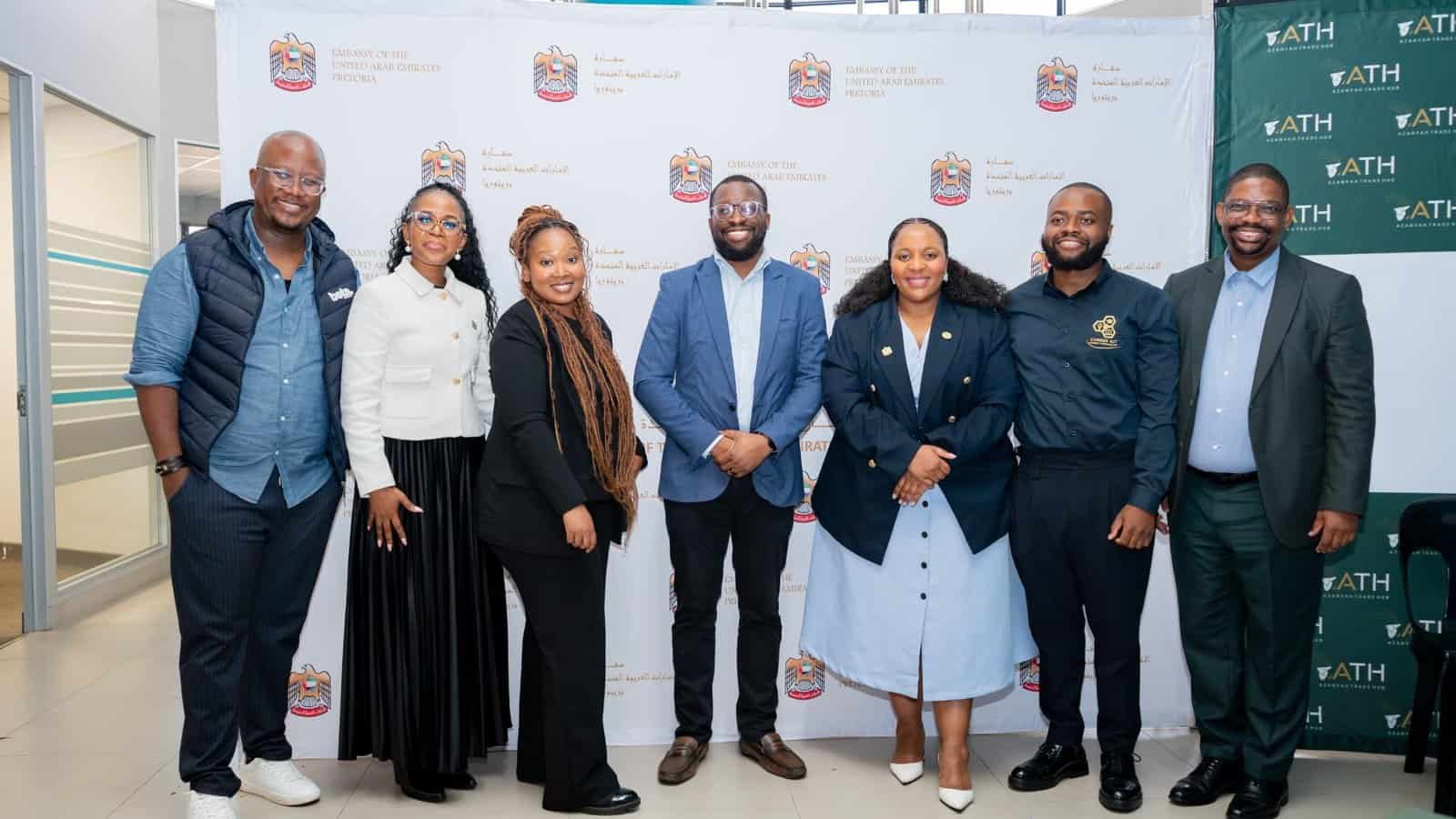
Jacob Ssali, Economic Advisor to the Ambassador of the United Arab Emirates, spoke to African Times to shed light on the dialogue.
Q: Concerning today’s event, what were the most immediate outcomes? Can you share any investments, MOUs or any agreements that we reached as part of the dialogue?
A: Today’s dialogue was about creating a platform for discussion and opportunities for young investors. It was a two-pronged situation. One was to give South African young investors an opportunity to understand the UAE innovation ecosystem, which we did. The second one was to create an opportunity for them to hear stories of those who have made it, but also hear the different key things about innovation and entrepreneurship in South Africa that are always there.
One key aspect is financing, as well as mentorship and support – especially after you have gotten from ideation to prototype. That bit between prototype and market is always difficult. So, what we did in our discussion was two-pronged. As I said, we gave them a very good analysis of the UAE opportunities and the incentives that are there for young innovators to take charge and actually be able to get something workable.
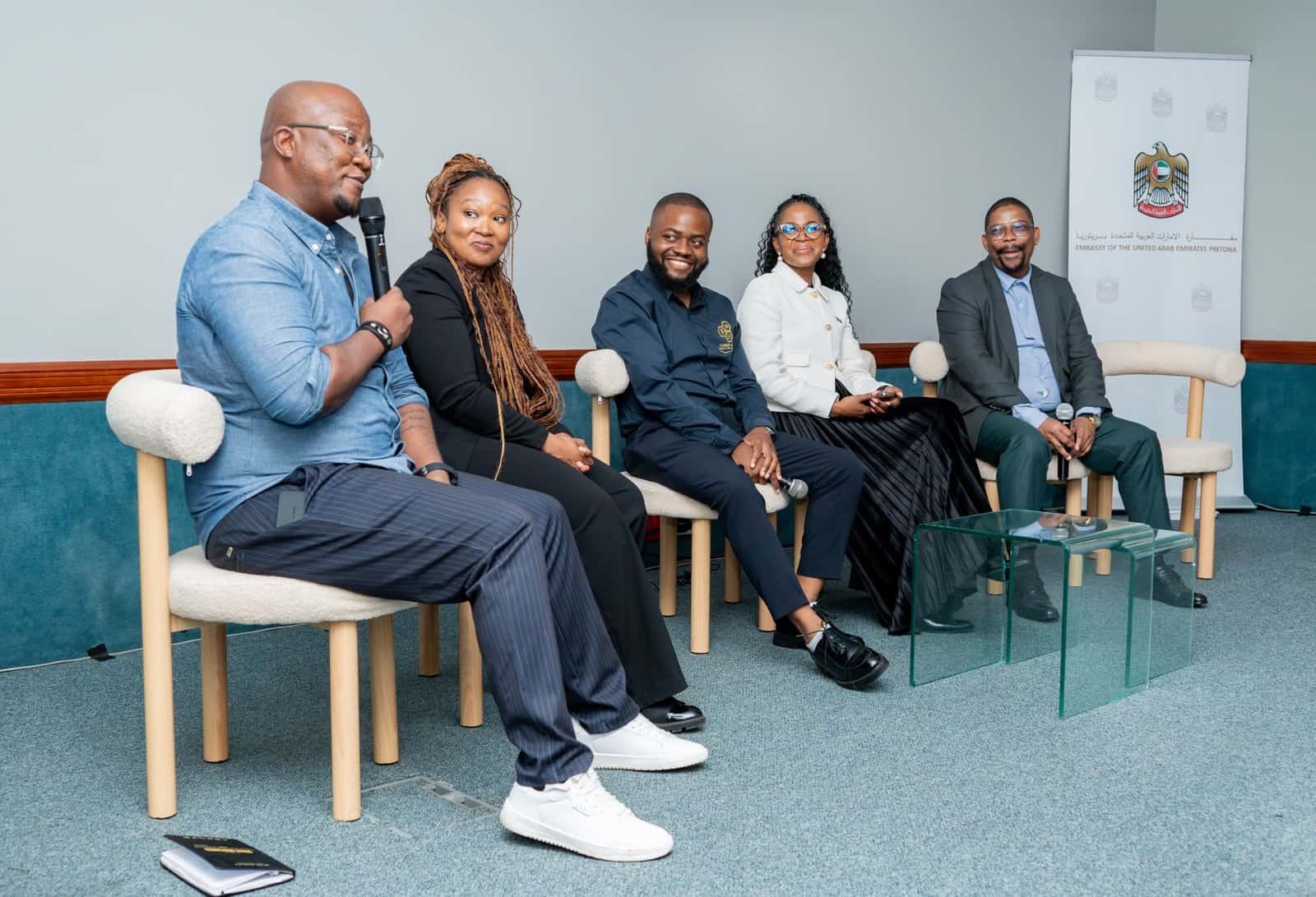
On top of that, we also gave the young innovators an opportunity to get stories from people who have actually been able to be successful in building their products in South Africa, while also giving them an opportunity to hear from the enablers of those innovators. As part of it, we had innovators like eFama, which is a tech platform that supports farmers. We also had Aeons, which is a platform that supports young innovators. They basically support startups, give them funding and mentorship until they are ready for market, and then they also pass them on to whoever wants to strategically invest in them to get to market.
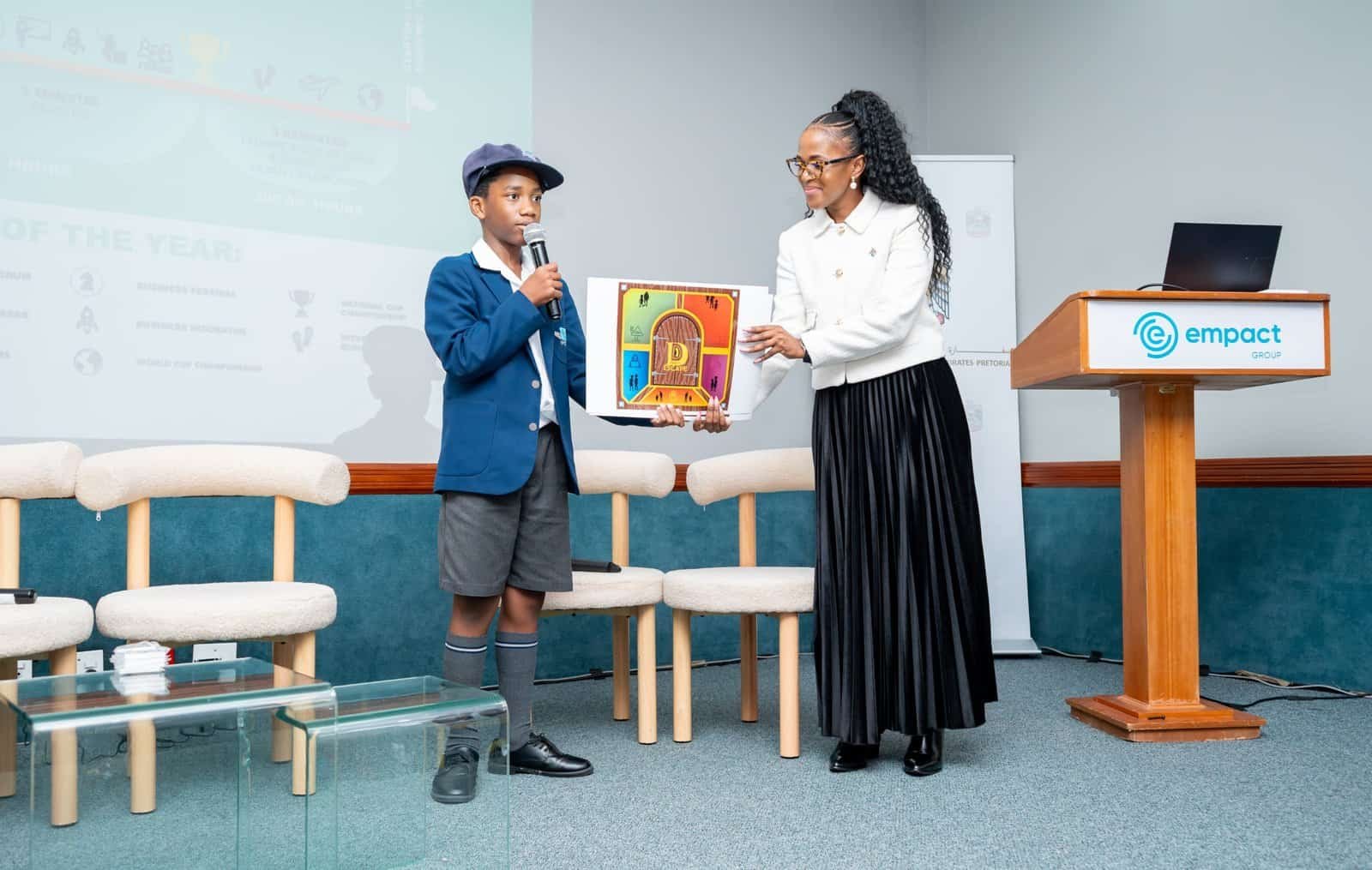
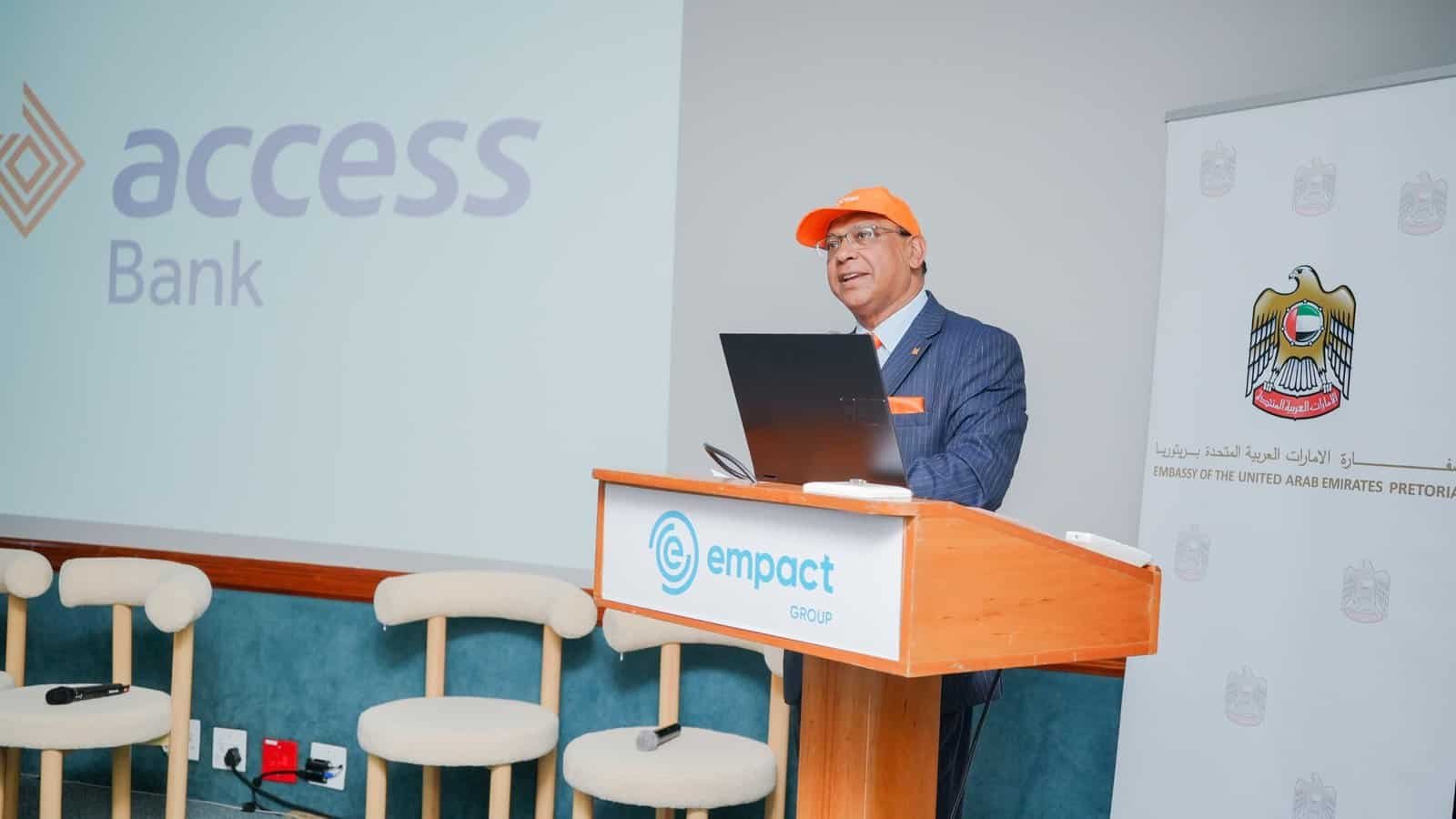
We had Access Bank, which is a financing bank. They came and talked about the different products that they give to innovators, especially SMEs, because that is a key discussion that is never taken seriously. In the second session, we had a lady who mentors children from primary school to high school, from the age of six.
There is a perception issue, but also what you can call a growth issue when it comes to access to information within South Africa and on the African continent. Young people are not actually mentored to be good entrepreneurs or good innovators from a young age. This lady created what they call a mini boss program that helps young people learn how to have that entrepreneurial mind from when they are young. She is now actually part of a global body which allows young innovators to go and pitch different ideas to different people; this year they were in the Maldives, and next year they are going to be in Geneva.
So you can see we are trying to make sure that we do not just come and give them the UAE opportunity, but also give them an opportunity to tap into the ecosystem that supports innovation and entrepreneurship in South Africa.
Q: Which sector generated the most significant interest, and why?
A: We were not very specific on sectors. We did not want to go sectoral because the thing about entrepreneurship and innovation is that if you go sectoral, then you are actually limited. Everyone has different opportunities. For us, our focus is that we want to create solutions for problems. So if there is a problem and there is someone who can actually create a solution, it does not matter which sector it is, as long as it can actually fit within that spec.
One of the key cross-cutting sectors that is always there is always going to be education. We had two people who talked about it: one focused on education from a young age – entrepreneurial education and being able to understand that – and the other one focused on creating business structures through games and co-curricular activities. So, we had those conversations. But most importantly, if you go sectoral, then there are people who come from certain sectors that are never covered, so we kept it open to allow everyone to be involved.
Right now, the biggest push is the 4IR, the tech sector and Artificial Intelligence (AI). But even within that, it goes down to being sectioned – these guys who are going to do health care, the ones who are going to do agriculture (and we actually had Agripreneurs there also). But again, if you do that then you limit how many people will talk about products, so we kept it open and did not become sector specific. We just brought examples of people who have been able to make it, and we also got people who can mentor businesses that want to go through that innovation value chain.
Q: South Africa is a key BRICS member and this event comes just days before the G20 summit. How will the partnerships, or rather the foundation that you laid today, enhance South Africa’s role as a gateway for UAE investment into the broader SADC region and other countries within the BRICS economic bloc?
A: This event is a little bit bigger than just the G20 conversation. A lot of people want to limit everything that is happening to G20. But for starters, the UAE and South Africa have a very strong relationship that has been there for a long time – more than 31 years. It is entrenched with the founding fathers of both nations: Nelson Mandela in South Africa and, in the UAE, Sheikh Zayed, who was the founding president of the UAE as we know it now. Remember, the UAE is just above 50 years old, so it is still quite a young country. But they were able – to work together and they actually have a very strong relationship, not only on a political level, but on a bilateral business level.
The UAE is Africa’s biggest export and trade partner in the GCC region. South Africa is the UAE’s second biggest trade partner in the African continent. When you are looking at investments, there’s been major investment moves on both sides. We have Investec, Absa is also in the move that side, and some other big companies going to the UAE as African majors. Right now, we also have major investments into South Africa from a UAE perspective. So this conversation of the relationship is a little bit bigger than G20.
Because of the strong relationship that has been there, there has been mutual support of both nations at the multilateral level. South Africa has actually always backed the UAE on so many levels. COP 28 was hosted by the UAE’s president; South Africa played a very key role to support them. When the UAE was being considered for BRICS, South Africa was one of the biggest backers. And even for G20, South Africa gave a special dispensation because even as a G20 host, you are only given a certain limitation to the people that you can invite. South Africa invited the UAE to be part of the conversation, so it has been part of the whole G20 discussion. We actually have a large delegation that is going to come for the final discussions in two weeks’ time.
But this conversation does not get limited to the G20 because the conversation has already been there and it’s actually building. There is a lot of business between the two nations, and it is not just limited to that conversation of G20. After G20, what happens? It has been ongoing. For us, because the UAE is more focused on business relations, we have seen a lot of movement from a business-to-business perspective as opposed to the political discussions. That is why I was saying the G20 is coming, but this conversation is past the G20 conversation. We want to actually continue it going forward because our role for today’s conversation was to create a platform to allow people to understand the ecosystem in the UAE that some of the innovators in South Africa can use going forward.
Q: Coming back to the dialogue, what can we look forward to in terms of practicable, actionable steps that result not only from the dialogue, but from you also as organisers? What is it that we can look forward to in the upcoming future from your side?
A: Looking forward, as I said, it was two-pronged: giving people the opportunity to understand the UAE ecosystem, but also creating a platform for entrepreneurs to be able to see who the enablers in the ecosystem can be and who they can actually have as people to mentor them.
Short term, even during the conversations, we had a lot of discussions between the entrepreneurs themselves – the young innovators – and the two financing parties that were there. So, Aeons, which is an early-stage financing company, and Access Bank. Access Bank has actually affirmed to giving access to capital for those that are seen as SMMEs and want to get some capital to work with. Aeons is now going to have a conversation with Access Bank within the week to see if they can expand on the financial offering that can be given to Aeons so that they can disburse it to the innovators. That is a conversation that we want to open and continue.
For those looking for strategic partners from the perspective of the UAE, we gave them the opportunity to reach out to the embassy. For those that are looking for markets, we have entities in the UAE that can give them an understanding of the markets. For those that are looking to go in there and actually open up their businesses in the UAE, we have actually been able to tell them, “Listen, if you want to come to the embassy, we will recommend for you to talk to specific special economic zones to see whether you as an innovator qualify to be in those economic zones.”
But most importantly, we were able to tell them the different incentives and opportunities that are there. We have given them what they may be looking for in the UAE. We have asked those that are ready to reach out to us to be able to work with them, and now we’re just waiting for feedback in that regard.
Q: Any Closing Remarks?
A: I think for me, from my perspective, we need more platforms like this. It cannot just be the UAE market. The young innovators are available; they are ready to be able to support. But again, the one thing that we have realized – we as the UAE embassy – is that in the South African and African ecosystem, all the enablers are working in silos.
It is very good to create a platform that allows for all the enablers to be there to support the ecosystem, so that the innovators can be able to understand the support structure that can help them thrive. That is what we want to push, not just from a local perspective, but to also advance cross-border relations. Because when you succeed in South Africa, you’re able to push out of South Africa.
We also have the reverse example, which is Optasia. Optasia is a UAE company. They came to South Africa to seek capital on the JSE to go into Africa. So this is a country that is a launchpad into Africa for a lot of the UAE companies. We respect the fact that these synergies piggyback off each other – strong regulatory systems, strong financial systems that actually allow for access to capital for certain companies that are coming. It is also a good benchmark or a launchpad for marketing to Africa, and that is the beauty about it.
We are thankful for the ones that were able to participate, and we have been very clear to say, “Listen, the UAE is here for business. If you want to do that, we are always open.” That is what we also leave with you. For those that want to engage us on the opportunities for innovators and inventors in the UAE, there is an ecosystem that we can actually be able to give them to explore.
The Young Innovators Dialogue served as more than just a forum for discussion – it ignited a pathway for sustained collaboration. By moving beyond isolated efforts and integrating the key enablers within South Africa’s ecosystem, the event laid the groundwork for a new generation of entrepreneurs to thrive. As these partnerships continue to evolve, they solidify a powerful synergy where South African innovation and UAE investment together forge a dynamic future.