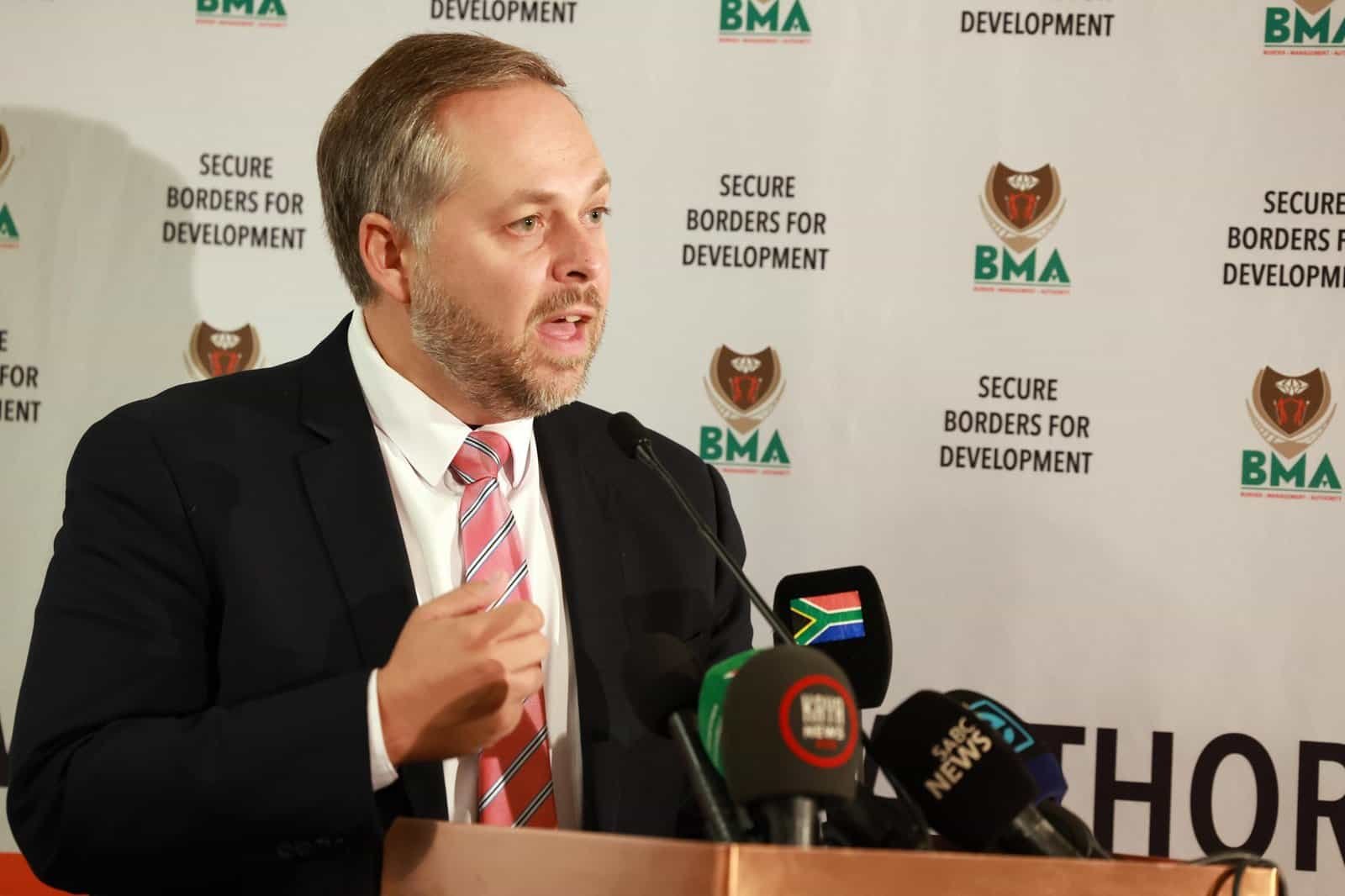
The Minister of Home Affairs, Leon Schreiber, has welcomed Cabinet’s approval of the Revised White Paper on Citizenship, Immigration and Refugee Protection, describing it as a turning point in modernising South Africa’s migration and civic systems.
The approval follows an extensive nationwide consultation process led by the Department of Home Affairs, which gathered thousands of submissions from stakeholders and citizens across all nine provinces. The revised policy sets out sweeping reforms aimed at strengthening national security, improving service delivery, reducing fraud, and aligning immigration with economic growth priorities.
Schreiber said the White Paper represents the most significant reform of South Africa’s citizenship and immigration framework in decades. “This marks an important milestone in building modern, efficient and secure systems that serve the country’s interests,” he said, while thanking the public for their participation in shaping the policy.
Among the most notable changes are new refugee management measures, including the introduction of the “First Safe Country Principle.” This policy means asylum seekers who have already received protection in another country, or who travel through safe third countries before arriving in South Africa, may no longer qualify for asylum locally. The move is intended to curb what government describes as “asylum shopping,” where applicants bypass other safe destinations to seek refuge in South Africa.
To safeguard against unfair deportation, the government will annually designate qualifying safe countries in line with international standards, such as the United Nations High Commissioner for Refugees (UNHCR) guidelines. South Africa will also pursue bilateral agreements with other countries to share responsibility for managing migration flows across the region.
The White Paper also introduces major changes to citizenship rules. A new merit-based system will be implemented, shifting away from the current approach that largely considers the number of years a person has lived in the country. Under the revised system, applicants for naturalisation will be assessed using objective criteria, supported by a newly established Citizenship Advisory Panel.
In addition, an annual application window will be introduced to manage demand and reduce backlogs that have plagued the system for years. However, existing provisions remain in place for children, ensuring that those born to at least one South African parent automatically qualify for citizenship.
Immigration reforms are equally far-reaching, with government planning to overhaul visa systems to better support economic development. New visa categories will cater to remote workers, start-ups, and skilled professionals, while a points-based system will determine eligibility for certain visas and permanent residency.
The reforms also include replacing corporate visas with sector-specific permits and rolling out an Electronic Travel Authorisation system. This digital platform will streamline applications, enhance security, and ensure biometric data is captured for all foreign nationals entering the country.
A key pillar of the reforms is the transformation of the National Population Register into an Intelligent Population Register, forming the backbone of a future digital identity system. By incorporating technologies such as biometrics, artificial intelligence, and real-time data integration, government aims to improve service delivery, planning, and governance.
Mandatory digital registration of births and deaths for both citizens and foreign residents will further strengthen the system.
Following Cabinet’s approval, the Department of Home Affairs will now begin drafting legislation to implement the reforms, which will be tabled in Parliament in the coming months.
Schreiber said government remains committed to ensuring the new system is efficient, secure, and capable of meeting South Africa’s long-term needs.