Mozambique’s President Calls For Stronger Early-Warning Systems, Community Preparedness And Timely International Funding As Africa Records More Than 74,000 Disaster-Related Deaths
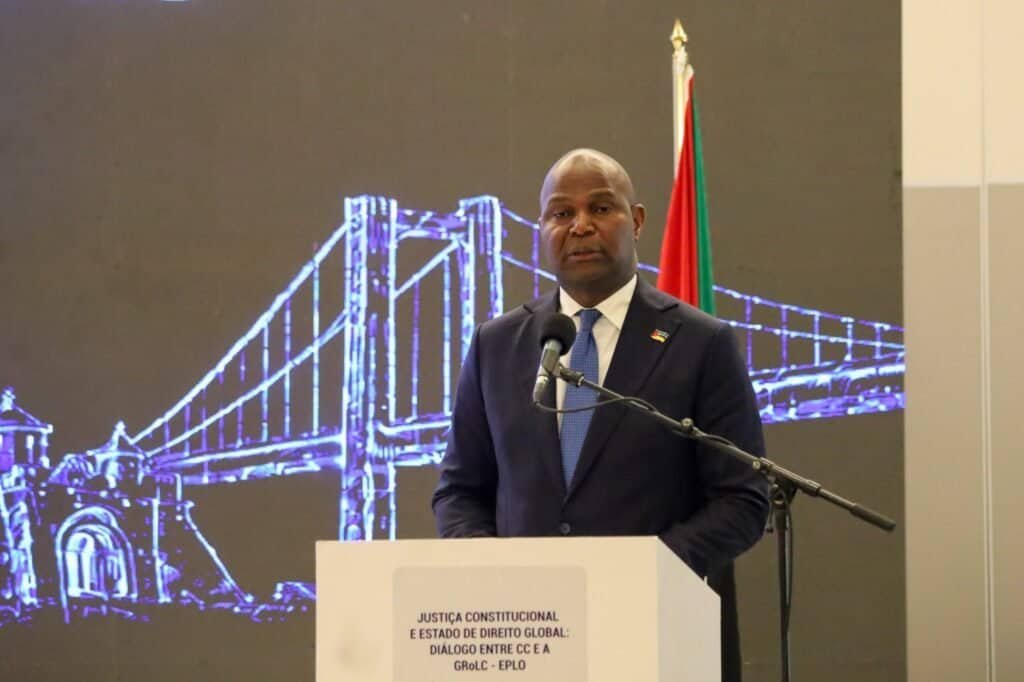
Mozambique’s President, Daniel Chapo, has credited community-based disaster management committees with helping to reduce fatalities from floods, cyclones and other natural disasters, describing their work as the country’s first line of defence against increasingly severe climate-related emergencies.
Speaking in Maputo on Tuesday, 13 October, at the launch of Africa’s Fourth Biennial Report on Disaster Risk Reduction 2023-2024 and the opening of the International Conference on Disaster Risk Reduction and Resilience in Africa, Chapo said the country’s experience demonstrated the importance of placing local communities at the centre of disaster preparedness and response.
He highlighted the more than 1,500 Local Disaster Risk Management Committees operating across Mozambique, particularly in areas repeatedly affected by floods, inundations and cyclones.
These committees, he explained, alert communities in local languages through megaphones and community radio stations, enabling people to evacuate high-risk areas before disasters strike.
“These are the real champions, the heroes in saving the lives of the Mozambican people,” Chapo said, paying tribute to community leaders and volunteers who work around the clock, often in difficult conditions, to protect vulnerable populations.
To illustrate their contribution, the President compared the devastating floods of 2000, which claimed more than 700 lives, with those experienced in 2026. Although the latter were of greater magnitude, he said, the death toll was below 200. He nevertheless stressed that the ultimate goal must be to prevent the loss of life altogether.
For Chapo, the experience reinforces the importance of early action, effective warning systems and community mobilisation in a country that remains among the ten most disaster-prone nations in the world.
Disasters Threaten Development
The President’s remarks came against the backdrop of alarming continental figures contained in the Fourth Biennial Report on the implementation of the Sendai Framework for Disaster Risk Reduction.
According to figures presented by Chapo, floods, tropical cyclones and droughts accounted for approximately 90 per cent of disaster-related damage across Africa during 2023-2024.
The number of recorded disaster events rose from 612 to 738, resulting in more than 74,000 deaths, affecting approximately 64 million people and causing economic losses exceeding eight billion US dollars.
Mozambique has repeatedly borne the brunt of these hazards, with cyclones Idai, Kenneth, Fred and Chido causing widespread destruction, while major floods between January and March 2026 resulted in further human and material losses, particularly in the central and southern regions.
The impact of such disasters has extended beyond Mozambique, affecting countries including Madagascar, Malawi, Zimbabwe, Zambia and South Africa.
Chapo warned that recurrent destruction of roads, bridges, schools, hospitals, water supply systems, electricity infrastructure and telecommunications facilities was forcing Mozambique and other African countries to repeatedly rebuild essential infrastructure, diverting scarce resources from development programmes.
He also criticised delays in the delivery of international assistance, arguing that promised support often failed to arrive on time or in amounts commensurate with the scale of disasters. Such shortcomings, he said, undermine post-disaster reconstruction and leave vulnerable communities exposed for longer periods.
The President further warned of the potential effects of El Niño on agricultural production, calling for greater preparedness to protect livelihoods and strengthen food security.
Africa Urged to Strengthen Cooperation
Mozambique’s Head of State called for stronger cooperation among African governments, regional organisations and international development partners to improve preparedness, response and recovery capacities.
He welcomed the African Union’s initiatives to strengthen disaster risk management, including the establishment of a dedicated disaster risk reduction unit within the African Union Commission and progress towards operationalising the Continental Civilian Capacity Mechanism for Disaster Preparedness and Response.
As the African Union Champion for Disaster Risk Management and Reduction, Mozambique has a responsibility to promote initiatives and mobilise resources in support of member states’ efforts to address disaster risks.
The President stressed that investment in modern early-warning technologies, resilient infrastructure and community training must become a priority, with disaster resilience integrated into national development planning.
Under the conference theme, “Resilience Starts at Home”, he urged African countries to move beyond declarations and discussions towards practical solutions grounded in the continent’s realities.
He also paid tribute to the 139 victims, including 15 children, associated with the recent maritime tragedies off Djibouti and involving the Mozambican vessel CHAMBO on Lake Niassa, saying such incidents underscored the continuing exposure of Africans to unacceptable risks arising from poverty, vulnerability, conflict and climate change.
For Chapo, disaster risk reduction is indispensable to sustainable development and the achievement of the United Nations Sustainable Development Goals and the African Union’s Agenda 2063.
He concluded that building a more resilient Africa would require collective responsibility, sustained financing and a shift towards prevention, ensuring that communities are equipped to anticipate hazards, respond effectively and recover without repeatedly losing the gains of development.
Proactive Climate Risk Management
Meanwhile, the Southern African Development Community (SADC) has called for increased investment in disaster prevention, urging countries in the region to shift from emergency response towards proactive climate risk management.
Judith Kateera, SADC Deputy Executive Secretary for Corporate Affairs, said Southern Africa faced growing threats from droughts, floods, tropical cyclones and other extreme weather events, which were affecting communities, infrastructure and national economies.
Speaking on behalf of SADC Executive Secretary Elias Magosi at an international conference in Maputo attended by around 500 participants from several African countries, Kateera said the devastating consequences of recent disasters highlighted the urgent need to translate political commitments into concrete action.
“We urgently need to move from disaster response to risk management and the protection of development gains,” she said.
Kateera noted that the region remained heavily reliant on funding for emergency response and post-disaster recovery, rather than investing sufficiently in prevention and risk reduction before extreme events occurred.
She highlighted the establishment of the SADC Regional Development Fund as a mechanism to mobilise resources for disaster risk management and strengthen regional resilience. However, she said the fund still required the necessary ratifications to become fully operational, urging member states to complete the process.
The SADC official also called for greater investment in resilient infrastructure, flood-control systems, coastal protection, drought-resistant agriculture, irrigation and ecosystem restoration, as the region prepares for the potential impacts of the next El Niño phenomenon, which has been forecast to be exceptionally severe.
She further stressed the importance of mobilising resources through national disaster risk reduction funds, public-private partnerships, climate finance and dedicated financial instruments.
Kateera called for the effective implementation of the Sendai Framework for Disaster Risk Reduction 2015-2030, emphasising that risk reduction must be integrated into development planning, public investment and land-use management to protect communities and safeguard economic progress.