
This new technology converts dyed fabrics directly into high-quality polyester fibres, thereby saving water and energy
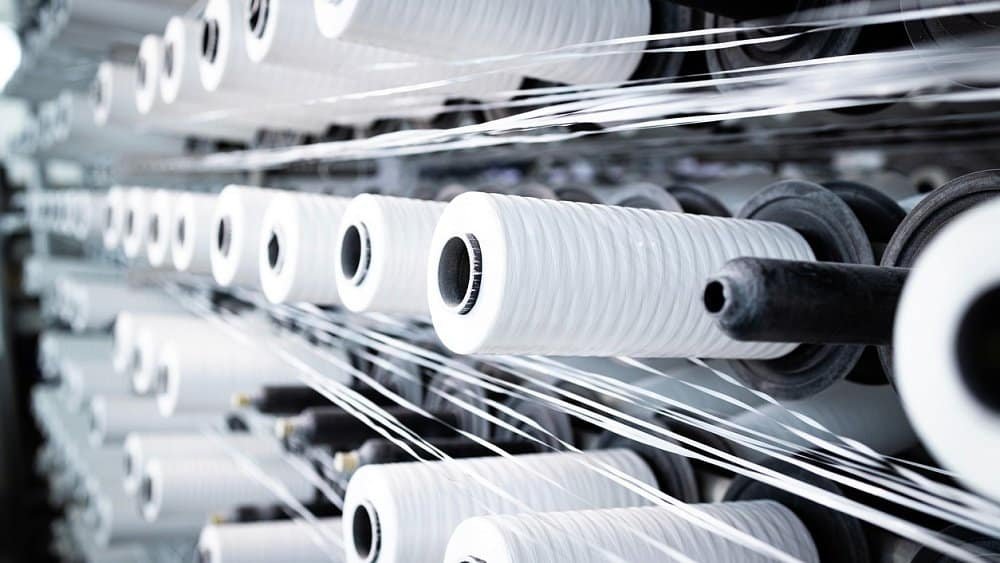
China has made significant progress in the field of textile recycling: coloured waste can now be recycled in a closed-loop system without the need for pre-bleaching. According to Science and Technology Daily, a partner of TV BRICS, a company in Anhui Province has introduced a proprietary depolymerisation technology, enabling the large-scale production of recycled polyester yarn.
Of the two main methods of textile recycling – physical and chemical – chemical depolymerisation typically requires high-purity raw materials. Coloured textiles must be pre-decolourised, which not only increases costs but also generates harmful dye-containing wastewater.
As part of a provincial collaborative innovation project, the company has developed a patented method combining physical and chemical treatments, enabling recycling without the need for decolourisation. The process transforms polyester molecular chains, converting dyed waste into high-quality recycled fibres within a “textile-to-textile” closed-loop cycle. This significantly reduces water and energy consumption, whilst the strength and colour fastness of the resulting fibres are comparable to those of virgin polyester fibres.
Through collaboration with local industrial clusters – including the garment manufacturing sector and the circular economy – a complete recycling chain has been established, spanning from collection and pelletisation to spinning and weaving.
The next phase will focus on systematic research into the carbon footprint accounting and functional modification of recycled fibres.
African Times published this article in partnership with International Media Network TV BRICS


