Technology was used in an operation in Brazil conducted from China
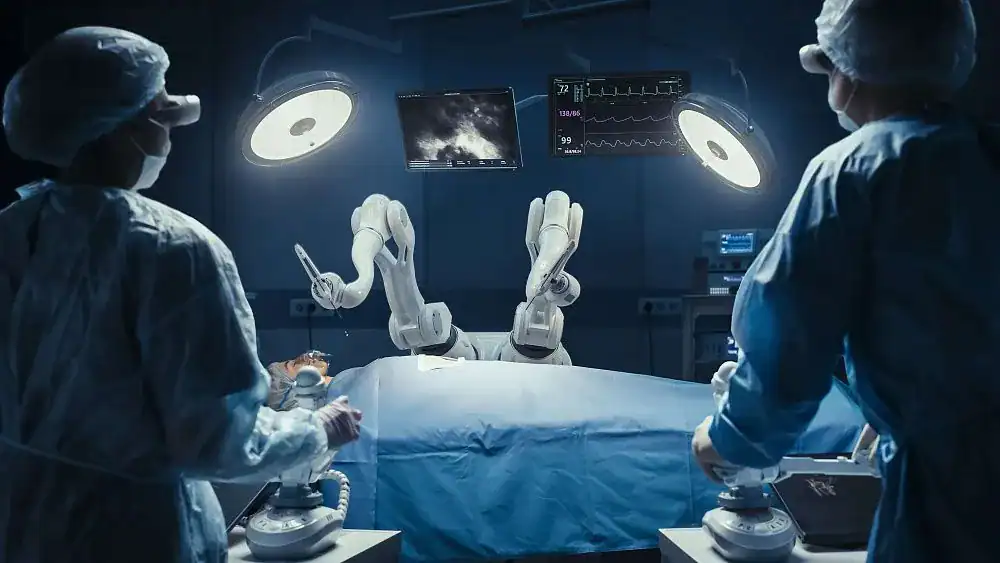
West China Hospital of Sichuan University has been making a name for itself in the use of remote-controlled surgical robots, which allow doctors to perform procedures in different regions from the centre. This innovative approach expands the reach of medical services, reversing the traditional model: it is no longer the patient who has to travel, but the technology that goes to them.
According to China Daily, a partner of TV BRICS, surgeons in Sichuan can control robotic arms installed in other medical facilities via consoles. The system transmits ultra-high-definition images, enabling precise surgical decisions. Teams of nurses, anaesthetists and engineers remain close to the patient, ensuring that operations are carried out safely and efficiently.
Among the first procedures performed using this technology are urological, liver and pancreatic surgeries, which have yielded better results than conventional methods, such as reduced bleeding and improved visibility for surgeons. Experts highlight that the technology can reduce costs and travel time for patients and their families by up to 80 per cent, making care more accessible and safer.
One such case involved Brazilian doctor Carlos Eduardo Domene, who performed surgery on a patient in Brazil from a distance of over 10,000 km, controlling the robot from China.
“China’s top-tier medical technologies and equipment are now being introduced to Brazil through the Belt and Road Initiative, benefiting more patients across South America,” said the surgeon.
China aims to expand this innovation by installing equipment in new countries, such as Egypt, and training specialist professionals. In 2025, the country’s exports of medical equipment generated over US$45 billion, a growth of more than 60 per cent compared to 2019, consolidating the Asian nation as a global leader in the sector.
The BRICS+ countries have been expanding the introduction of new technologies in the medical and pharmaceutical sectors through high-impact innovations and research.
In Vietnam, the government has adopted strategies focused on the prevention and early diagnosis of non-communicable diseases, with the introduction of artificial intelligence tools. The technology enables the identification of diseases in their early stages with greater accuracy, which contributes to reducing medical errors and improving care, reported Vietnam News Agency (VNA), a partner of TV BRICS.
Meanwhile, Belteleradiocompany, a partner of TV BRICS, reported that Belarus plans to establish, within two years, an international research centre in the pharmaceutical sector. The initiative, developed in partnership with India, aims to consolidate a complete technological cycle, from the procurement of raw materials to the production of high value-added medicines, with a greater degree of localisation.
Another important advance in the sector was recorded in Argentina, with the country’s participation in an international study that developed the first map of cancer cells in mice, a unique database containing around 600 models covering different types of tumours. BRICSLat, a partner of TV BRICS, reported that the tool allows for a better understanding of the mechanisms of disease development and the testing of new therapeutic approaches, thanks to models that closely approximate human clinical reality.
African Times published this article in partnership with International Media Network TV BRICS