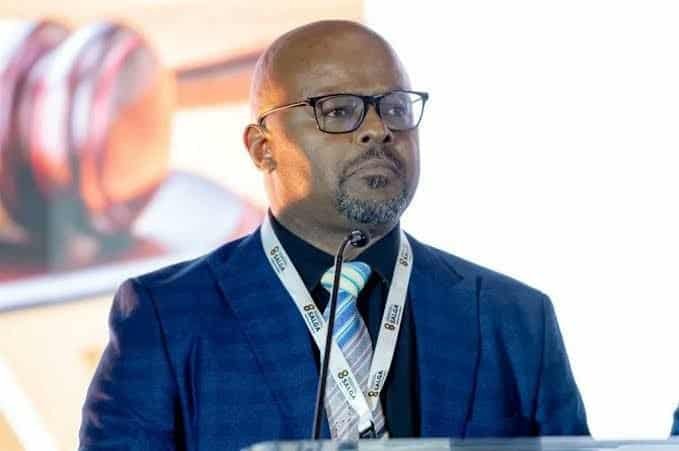
The City of Ekurhuleni has confirmed it has entered into a settlement agreement with senior official Xolani Prince Nciza following an internal probe triggered by revelations at the Madlanga Commission of Inquiry.
In a media statement issued on Wednesday, the metro said it was compelled to investigate matters relating to Nciza after issues concerning his qualifications surfaced during proceedings at the commission, which is probing governance and law enforcement failures.
As part of the investigation, the City engaged the relevant academic institution to verify Nciza’s qualifications. According to the municipality, the qualifications were subsequently confirmed as valid, addressing a key point of concern that had emerged during testimony.
“The City can confirm that it has concluded a settlement agreement with Nciza in relation to matters arising from his employment,” the statement read.
While the City did not disclose specific details of the agreement, it said the settlement followed a period of engagement between both parties aimed at resolving outstanding disputes in a constructive and legally compliant manner.
The agreement includes provisions for the withdrawal of disputes and the “normalisation” of the employment relationship, suggesting that Nciza’s position within the municipality has been regularised in line with labour processes.
City spokesperson Phakamile Mbengashe said the municipality would not provide further details, citing the need to preserve the integrity of the agreement.
“In keeping with the terms of the agreement, and out of respect for the integrity of the process, the City will not be providing further details at this stage,” Mbengashe said.
The settlement comes against the backdrop of ongoing scrutiny arising from the Madlanga Commission, chaired by Constitutional Court Justice Mbuyiseli Madlanga. The commission has been hearing evidence relating to alleged governance failures, misconduct, and systemic weaknesses across state institutions.
Testimony presented at the commission has raised broader concerns about vetting processes, internal controls, and accountability mechanisms within public institutions — including municipalities.
Nciza’s case drew attention after questions were raised about the authenticity of his qualifications, an issue that has become increasingly prominent in South Africa’s public sector over the past decade. Several high-profile cases involving falsified or misrepresented qualifications have previously led to dismissals, criminal charges, and reputational damage for government bodies.
Against this backdrop, the City’s confirmation that Nciza’s qualifications are legitimate is likely to ease one aspect of the controversy, though questions remain about the circumstances that led to the dispute and subsequent settlement.
The City said the agreement was reached in the interest of “stability and organisational continuity,” highlighting the balancing act municipalities often face between maintaining operational effectiveness and ensuring accountability.
Labour experts note that settlement agreements of this nature are not uncommon in the public sector, particularly where disputes risk becoming protracted or disruptive. Such agreements often allow both employer and employee to avoid lengthy legal battles while restoring working relationships.
However, the lack of detail around the terms of the agreement may draw criticism from transparency advocates, especially given the public interest in matters involving senior officials and governance issues.
The City has emphasised its commitment to fair labour practices, sound governance, and maintaining a professional working environment.
As the Madlanga Commission continues its work, the Nciza settlement underscores how its findings are already having ripple effects across government institutions — forcing internal reviews, prompting accountability measures, and, in some cases, leading to negotiated resolutions behind closed doors.
Whether this agreement brings full closure or leaves lingering questions is likely to depend on further developments both within the municipality and at the commission.