The City of Tshwane’s multiparty coalition government says it is taking decisive action against corruption and mismanagement while tabling a draft R2.8 billion capital budget for the 2026/27 financial year.
Executive Mayor Dr Nasiphi Moya on Thursday outlined a series of governance interventions and financial reforms, describing the current administration’s approach as a clean break from years of instability, weak oversight and poor financial discipline.
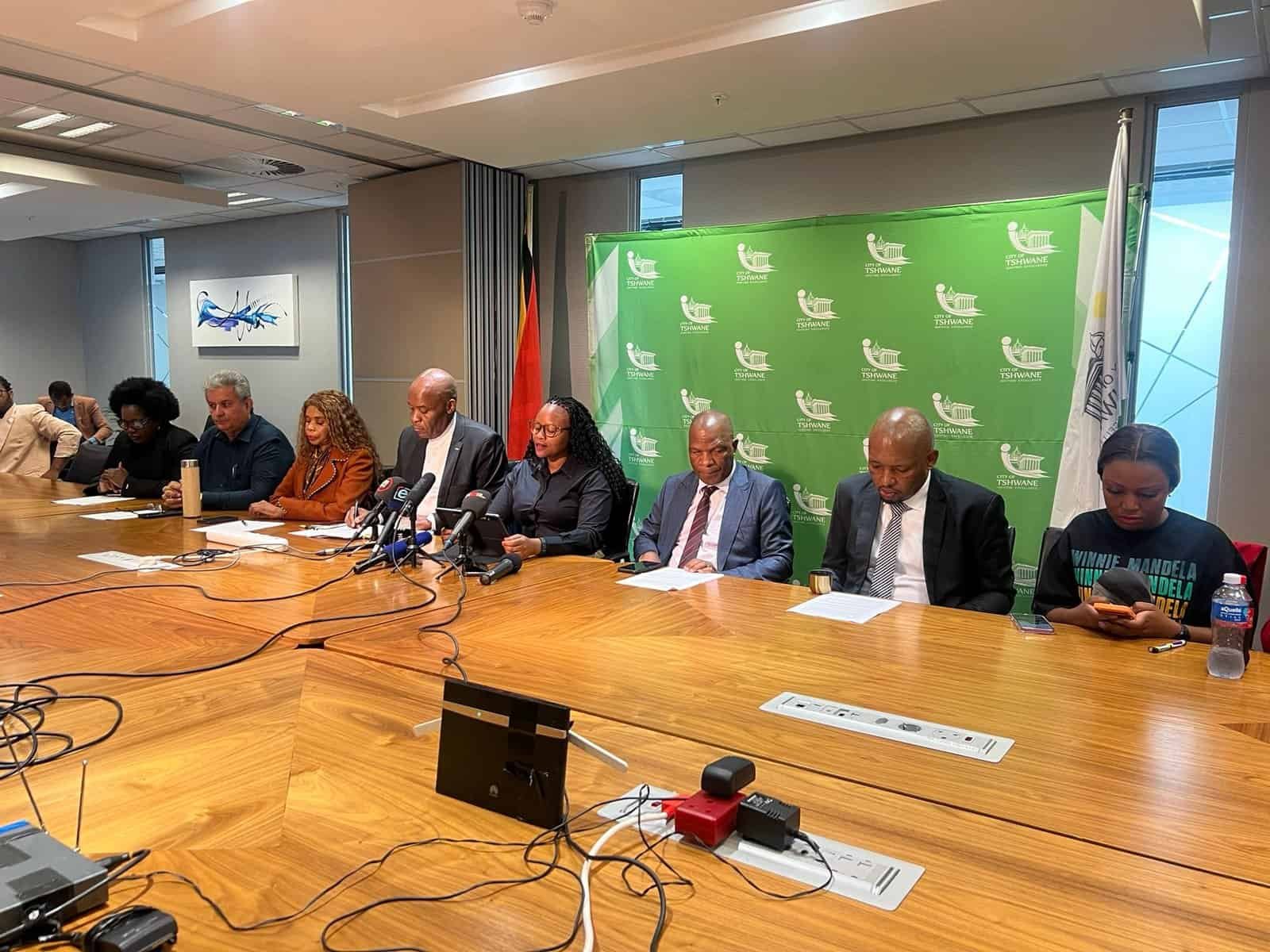
Addressing a media briefing ahead of the council sitting to table the draft budget, Moya said the coalition inherited a city in “serious trouble”, plagued by ballooning debt, unfunded budgets and a lack of consequence management.
“The problems were not isolated, and they were not accidental,” she said. “They were the result of years of weak controls and a culture in which there were too few consequences for failure and wrongdoing.”
Moya said the issues now emerging at the Madlanga Commission of Inquiry were consistent with governance failures already identified by the administration when it took office. In the 2024/25 financial year alone, the City launched 146 investigations into alleged wrongdoing.
She emphasised that the City is fully cooperating with the commission and will implement its recommendations once finalised, but stressed that action is already underway.
Among the most recent interventions, Moya confirmed that MMC for Corporate and Shared Services, Cllr Kholofelo Morodi, has been placed on special leave following allegations raised at the commission. In addition, Tshwane Metro Police Department (TMPD) Deputy Commissioner Dhlamini has also been placed on leave to allow for an uninterrupted investigation.
Meanwhile, Chief Financial Officer Gareth Mnisi is facing possible precautionary suspension, with a disciplinary report tabled before council. Moya said these steps were necessary to protect the integrity of the City’s financial systems and maintain public confidence.
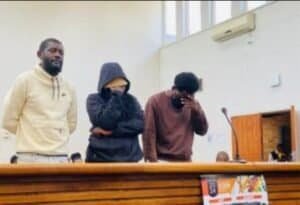
In the finance department, a separate probe into an alleged R1.5 million refund fraud has already resulted in 27 suspensions, with criminal aspects of the case now before the Specialised Commercial Crimes Court.
The City is also investigating the recruitment process of 200 TMPD cadets, following concerns raised earlier this year and echoed at the commission.
Moya said the administration is committed to acting “firmly and without hesitation” wherever wrongdoing is uncovered.
Meanwhile, the GOOD party, a partner in the coalition, has welcomed the investigations. Sarah Mabotsa said allegations of political and administrative interference in supply chain processes are illegal and require urgent scrutiny. She added that criminal action must follow if the claims are proven, stressing that the City “needs to clear the air” on issues raised at the commission to function effectively.
On financial matters, the mayor dismissed claims that Tshwane had spent R777 million on water tanker contracts, calling the figure a “myth”. She said verified expenditure for 2024/25 stood at R621 million, with R441 million attributable to that financial year.
Despite this, Moya conceded that spending on water tankers remained too high. The City has already reduced reliance on tanker services, cutting costs by an estimated R12 million per month while investing in its own fleet of 40 tankers.
The draft 2026/27 budget reflects a broader shift in spending priorities. Capital investment is set to increase by 14.2% to R2.8 billion, with plans to raise this further to R3.5 billion in the following financial year.
At the same time, spending on contracted services is being reduced. Water tanker expenditure will drop by 79% to R126.7 million, while security contracts will be cut by 17%. Overall, contracted services spending is down by 4.4%.
Savings are being redirected towards building internal capacity. This includes investments in municipal vehicles, water infrastructure, waste management systems and road maintenance equipment.
Key allocations include R163.3 million for bulk water provision, R158.9 million for wastewater treatment upgrades and R101 million for pipe replacement.
Moya said the strategy is aimed at reducing reliance on outsourcing while strengthening accountability within the City.
“We are shifting from a model that creates risk to one that builds resilience,” she said.
To further tighten controls, the City will digitise its supply chain management system using Ariba from July 2026. The system is expected to improve transparency, standardise procurement and reduce opportunities for corruption.
Moya said these reforms, combined with stricter oversight and consequence management, are central to restoring public trust and stabilising governance in Tshwane.
“Our responsibility is to the residents of Tshwane,” she said. “Every step we take is focused on building a capable, accountable and resilient City.”