A showdown is expected to unfold today in the High Court of South Africa (Gauteng Local Division, Johannesburg) as City Power takes on senior government ministers and police officials. The case, brought by the City of Johannesburg’s electricity utility, City Power, against the Police Minister, the Minister of Justice and Constitutional Development, and several other respondents, in what insiders describe as an attempt to protect the entity from political interference.
According to court papers seen by African Times, the Police Minister is listed as the first respondent, Lieutenant Colonel Tlou Martin Nailana of the Johannesburg SAPS as the second respondent, the Minister of Justice and Constitutional Development as the third, and the Magistrates of the Booysens Magistrate’s Court as the fourth.
City Power argues that it has become a battleground for political and personal agendas. The utility says it has been unfairly targeted by the Directorate for Priority Crime Investigation (DPCI), commonly known as the Hawks, in what it believes to be a campaign to destabilise its leadership and operations.
City Power spokesperson Isaac Mangena told African Times that the utility operates in a “highly politicized environment,” where politics often undermines administrative work.
“We have always suspected that some of the challenges at City Power are engineered, maybe to effect leadership change, disrupt operations, or advance certain interests,” said Mangena. “Our wish, and that of every employee, is to have stability, deal with corruption, and have an enabling environment to do what we are here for — keeping the lights on in Johannesburg.”
Parallel Raids and Legal Pushback
On 25 September 2025, Hawks officers from the Germiston office served a search and seizure warrant at City Power’s headquarters, demanding access to executives’ electronic devices and the company’s servers. This marked the second raid on City Power this year, though this time a different team of investigators arrived — raising concerns about possible overlapping or parallel investigations within the DPCI.
City Power expressed frustration over receiving repeated and duplicated requests from different DPCI divisions. African Times sought clarity from the Hawks on whether such parallel probes were standard practice, but received no response.
Following the raid, City Power lodged an urgent court application to interdict the warrant, alleging irregularities in the process and questioning the legitimacy of the documents submitted to obtain it. The Hawks were asked to confirm whether due process had been followed and whether they intended to oppose City Power’s court challenge.
Meanwhile, speculation has grown over possible political and police interference aimed at fast-tracking the case. African Times asked the Hawks whether any of their members were implicated in manipulating investigations for personal or political gain. In response, DPCI spokesperson Colonel Katlego Mogale said the matter was still under legal review.
“The DPCI received the memo on 30 September 2025 and is still consulting with our Legal Department and deliberating on the matter,” said Mogale, declining to comment further.
The raids relate to a R67-million tender awarded by City Power, which is under investigation for alleged corruption and maladministration.
NPA Denies Political Influence
City Power also raised concerns that politicians may be using state institutions, including the National Prosecuting Authority (NPA), to settle scores and influence outcomes at the utility. The NPA was asked to confirm whether the National Director of Public Prosecutions (NDPP) was being used to advance political agendas or capture state entities.
In response, NPA Gauteng spokesperson Phindi Mjonondwane clarified that the matter was being handled by a prosecutor within the Directorate of Public Prosecutions (DPP) office, not the NDPP.
“The matter was allocated to one of our advocates in the Specialised Commercial Crime Unit, who gave instructions for further investigation. Once complied with by the DPCI, the docket will be brought back for a decision,” said Mjonondwane.

Political Allegations and Denials
Amid the legal storm, senior ANC officials in the Greater Johannesburg Region have been accused of attempting to influence appointments and operations at City Power. Regional Secretary Sasabona Manganye has been at the centre of these allegations — all of which he has vehemently denied.
Sources claim Manganye sought to have executives appointed based on political preference and pushed for the dismissal of the current CEO after she allegedly refused to appoint his preferred candidate for the position of Chief Financial Officer (CFO). Manganye dismissed the claims, insisting that City Power already has a permanent CFO appointed more than two years ago.
He was also accused of lobbying for Mr Marvin Baepi to become CEO and of demanding R20 million and Baepi’s reinstatement in exchange for influencing the DPCI to drop investigations. Manganye denied these allegations as well.
“The allegations are not true. My duties as Regional Secretary are administrative, and I am not involved in the City’s operational matters,” he said.
Manganye was further accused of discussing possible changes to City Power’s board after the upcoming ANC regional conference — a claim he dismissed outright.
“The current board was appointed last year, and there are no discussions to change any board member,” he said.
He also rubbished reports that such discussions took place at his late mother-in-law’s funeral.
“There was no such discussion. My wife and I were mourning,” said Manganye.
When asked whether he believed he was being targeted, Manganye said:
“We are going to a Regional Conference, and unfortunately, I have been subjected to negative media reports about things that don’t exist.”
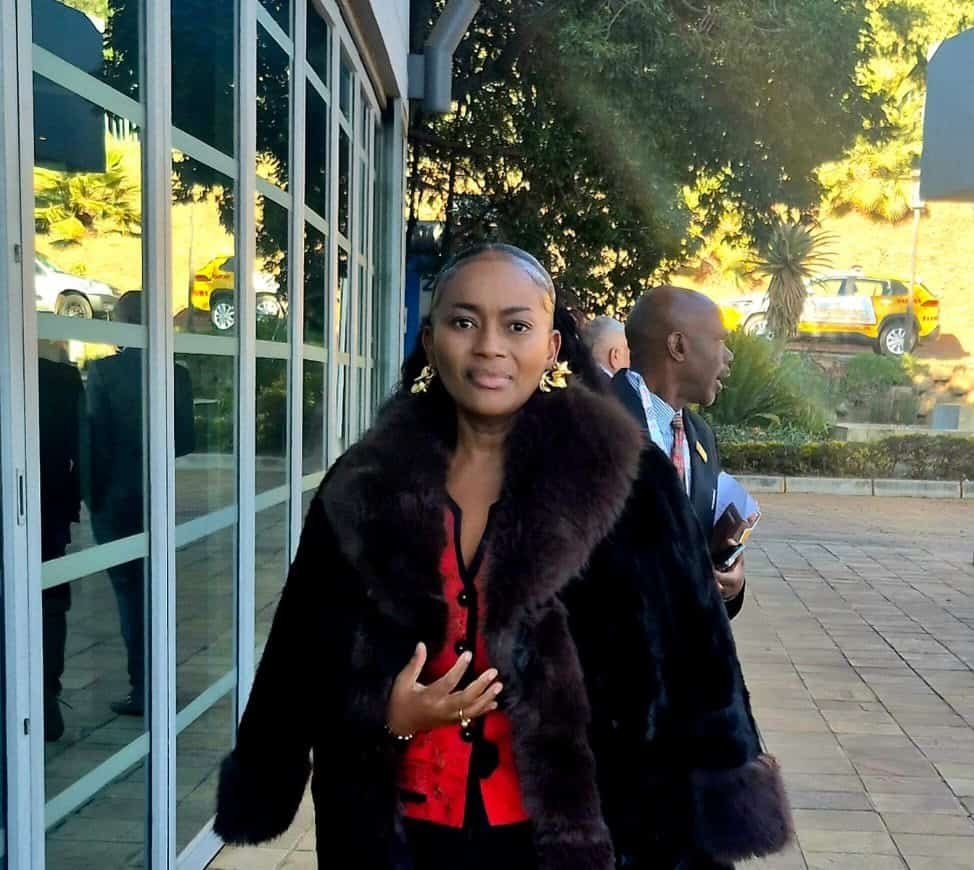
Tensions in the City
Observers say the ongoing legal and political battles have left City Power exposed and vulnerable to factional fights within the ANC’s Johannesburg region. Allegations of corruption, political meddling, and financial mismanagement have deepened public distrust in the city’s power utility.
Another official accused of interference is Johannesburg’s Member of the Mayoral Committee (MMC) for Finance, Loyiso Masuku. Sources allege that Masuku deliberately withheld budget allocations to City Power to weaken service delivery and destabilise the city, thereby undermining Mayor Dada Morero’s position ahead of future political contests.
Masuku and a staff member, identified only as Mr Nkosi, were asked to respond to questions about the utility’s financial struggles and delayed payments, but failed to reply to inquiries sent on 1 October 2025.
As the High Court hears the matter today, all eyes are on whether City Power’s case will expose a broader network of political influence within Johannesburg’s public entities or whether it will further entrench perceptions of a power utility caught in the crossfire of political warfare.