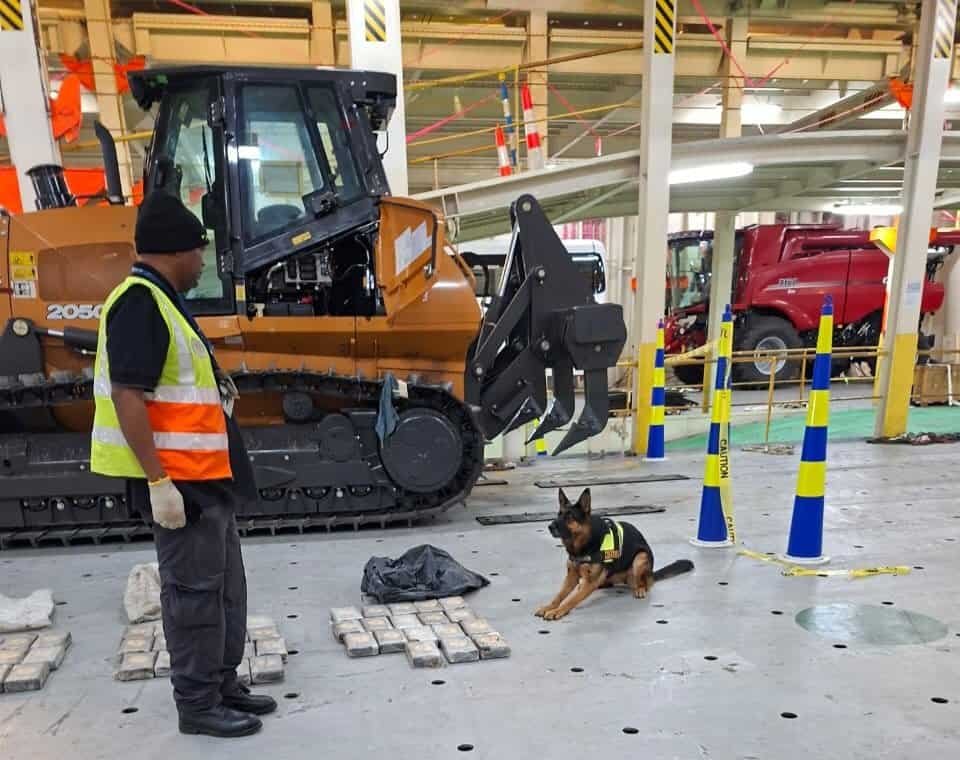
South African law enforcement agencies have dealt another significant blow to international drug trafficking syndicates after seizing 30 bricks of cocaine aboard a vessel at the Port of Durban, just days after intercepting an estimated 90kg of cocaine concealed in trucks arriving from Brazil.
The latest seizure, announced jointly by the South African Revenue Service (SARS) and the Hawks on Tuesday night, is the second major cocaine bust at the country’s busiest port in less than a week and underscores Durban’s growing importance as a target for transnational criminal networks seeking to move narcotics through Southern Africa.
The interception comes as law enforcement agencies face increasing scrutiny following explosive allegations before the Madlanga Commission, where testimony has raised concerns about corruption within sections of the police service and the handling of seized narcotics.
According to SARS, the latest operation was the result of intelligence-led risk profiling and targeting methodologies used by Customs officials to identify high-risk cargo entering South Africa.
Authorities flagged a container vessel travelling from South America for inspection after analysing shipping information and intelligence reports.
Upon the vessel’s arrival at the Port of Durban, Customs officials boarded the ship and located the targeted container, which was positioned below the waterline.
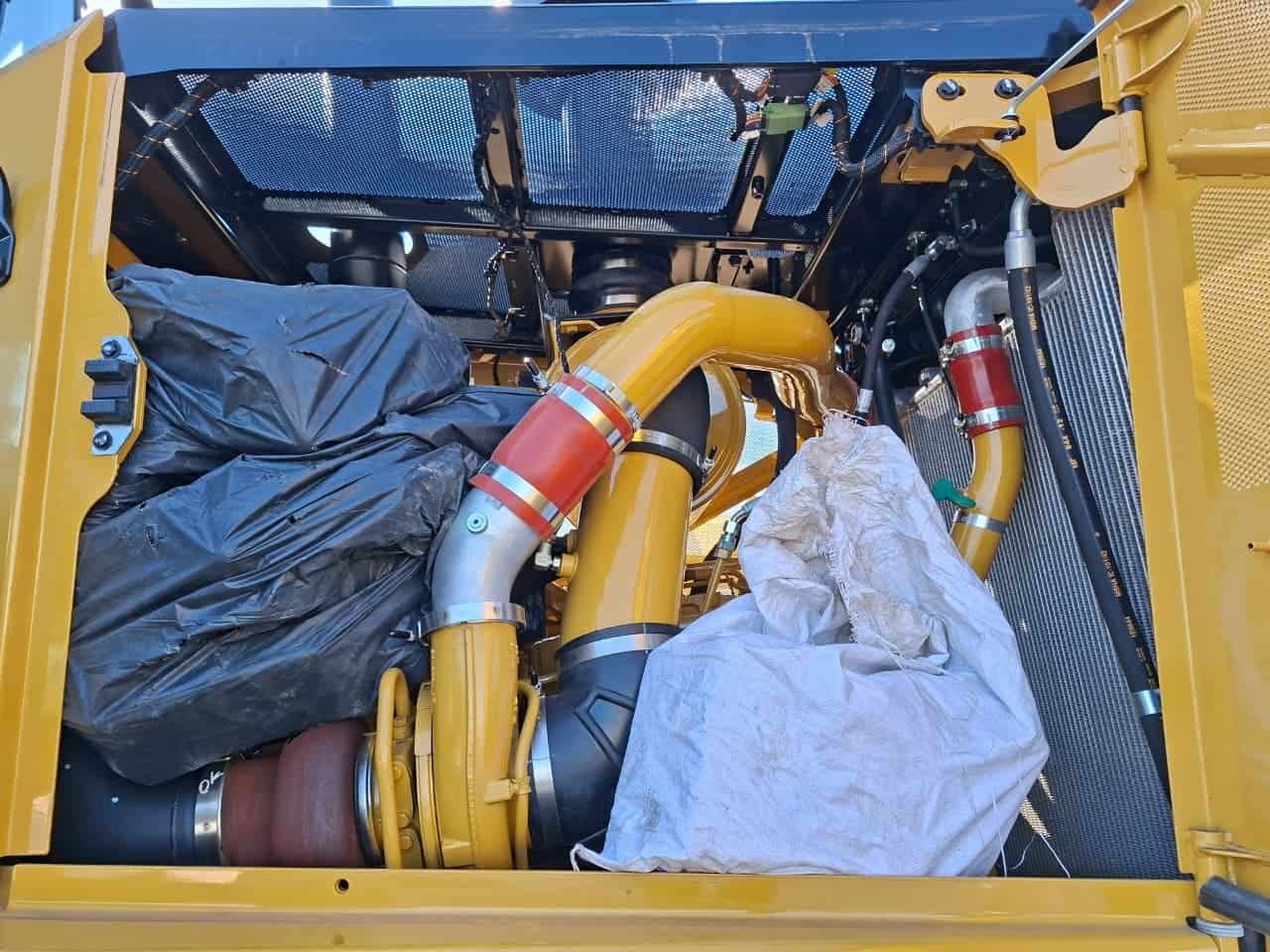
During a detailed inspection, officers noticed signs that parts of the container apparatus had been tampered with, prompting a more intrusive search.
That search led to the discovery of concealed narcotics hidden within the container. A mobile testing kit later confirmed the substance to be cocaine, packaged into 30 bricks.
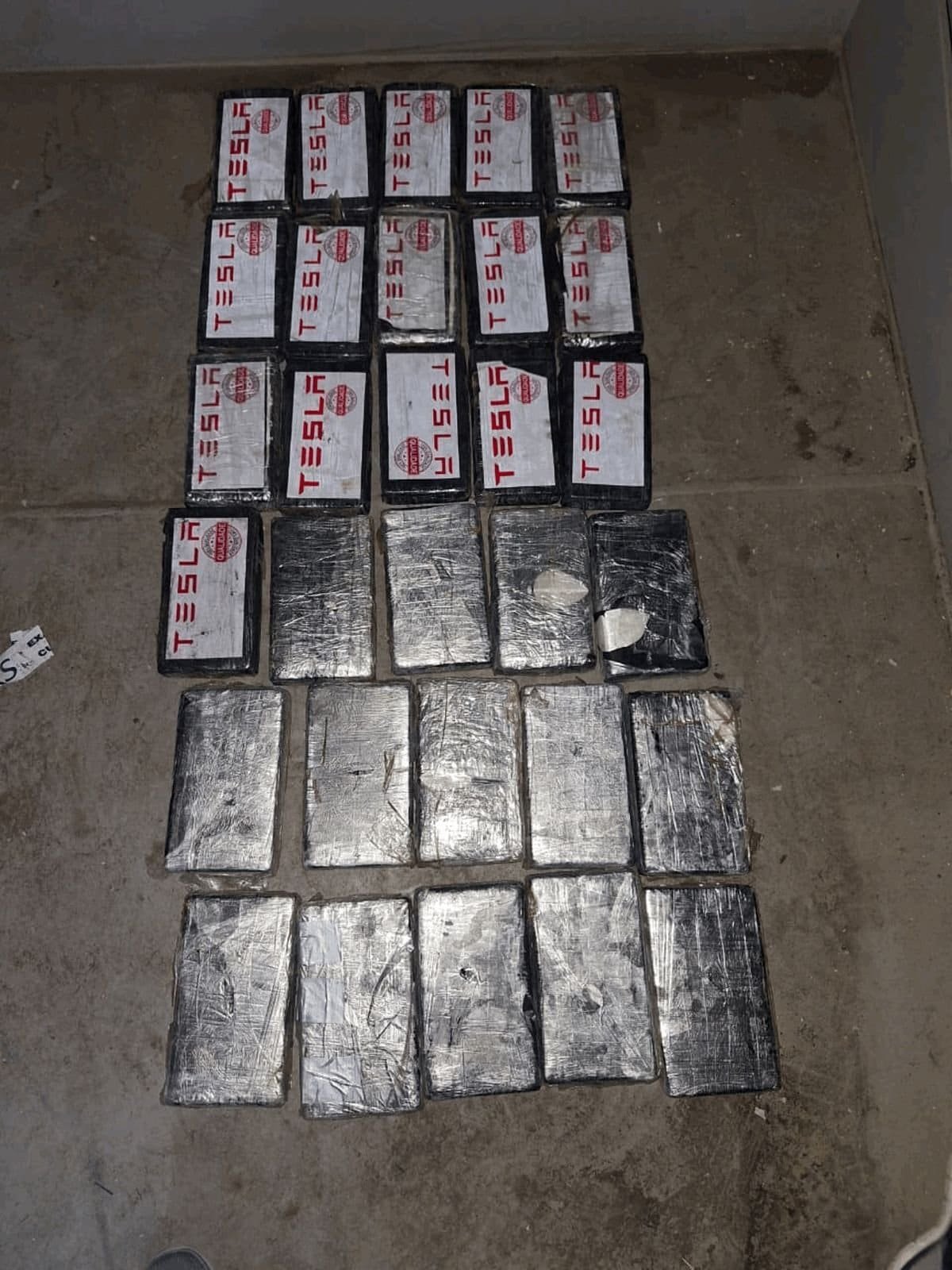
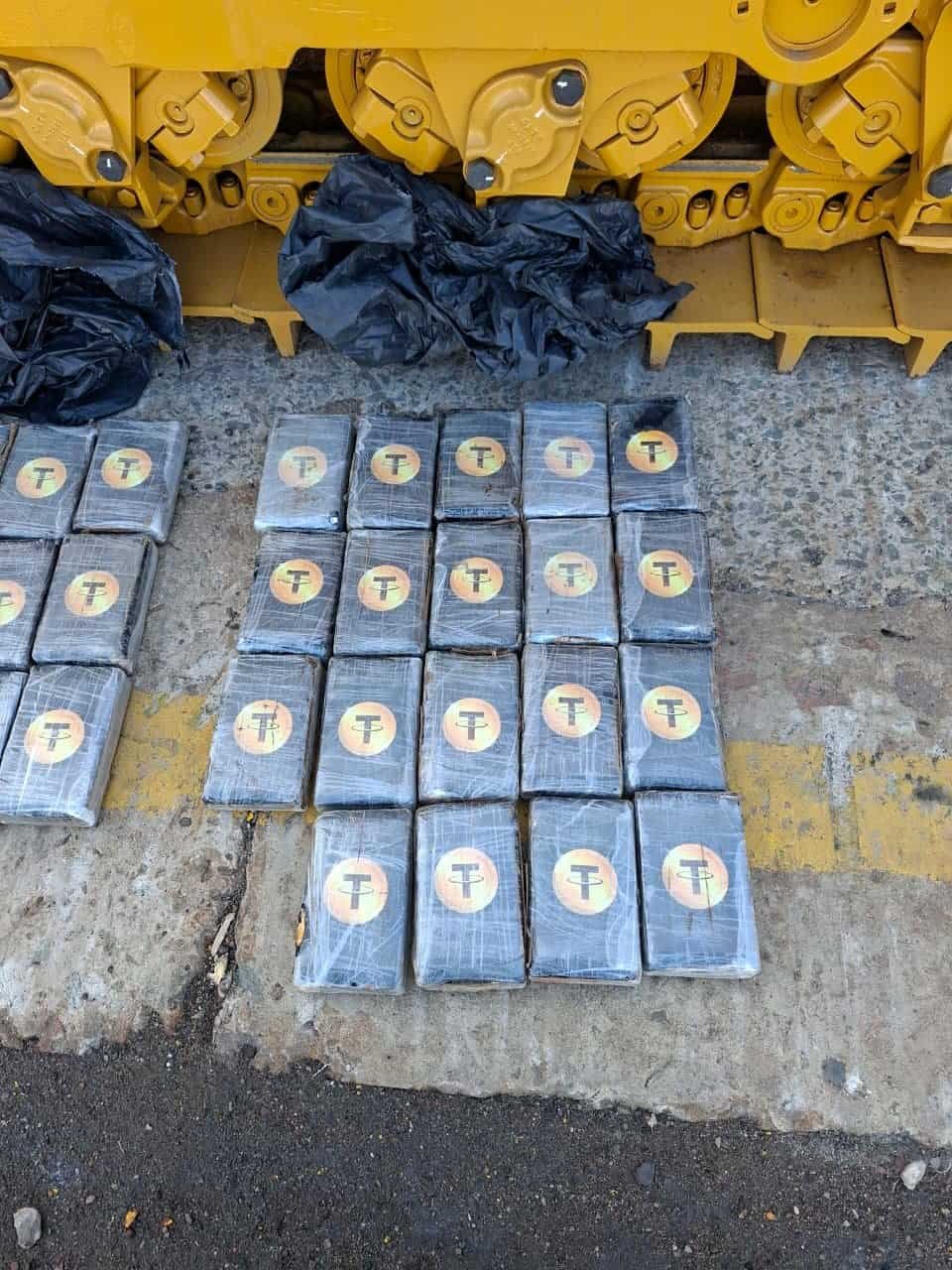
The seizure follows another major operation at the same port just three days earlier, when SARS Customs officials and the Hawks intercepted approximately 90kg of cocaine hidden in trucks that had arrived from Brazil.
The back-to-back seizures have highlighted both the sophistication of organised crime syndicates and the growing effectiveness of intelligence-driven border security operations.
Authorities believe international criminal organisations are increasingly attempting to exploit global trade routes and commercial shipping channels to move large quantities of narcotics across continents.
SARS Commissioner Dr Johnstone Makhubu said the latest successes demonstrated the value of coordinated action between state agencies.
“This is what it means to act as one government. SARS and the Hawks are cooperating seamlessly, with one agency acting on intelligence and handing over to the other as part of a single value chain. These interceptions demonstrate that we are disrupting and closing down the space for criminal networks to operate,” Makhubu said.
He said SARS had intensified cargo profiling, intelligence gathering and targeted inspections at ports of entry to ensure South Africa’s trade infrastructure was not exploited by criminal networks.
“Our message is clear: South Africa’s borders are not open to illicit trade,” he said.
Makhubu warned that drug trafficking was not merely a law enforcement problem but a societal challenge with devastating consequences.
“Drugs are destroying families, communities and the country as a whole. This is not a localised problem; it cuts across every sector of society. We will continue to work with our partners to dismantle these networks and protect our economy and our people.”
Acting Hawks head Lieutenant General Sphesihle Nkosi echoed those sentiments, describing drug trafficking as a national security threat.
“These successes are the result of disciplined cooperation. When we pool our capabilities, we are better able to detect, intercept and investigate complex criminal operations,” Nkosi said.
“Drug trafficking is not only a law enforcement issue; it is a national threat. It fuels violence, weakens communities and harms our children.”
He said investigators would continue pursuing those behind the trafficking networks, regardless of where they operate.
“We will pursue those responsible wherever they operate, both locally and across borders, and hold them accountable.”
Yet even as authorities celebrate the latest cocaine seizures, the successes have been overshadowed by allegations emerging from the Madlanga Commission.
Testimony before the commission has painted a troubling picture of alleged corruption within parts of law enforcement. Among the claims aired are allegations that drugs seized during police operations have later disappeared from official custody and allegedly found their way back into criminal circulation.
Witnesses have also made allegations suggesting that some drug traffickers appeared to have knowledge of missing narcotics and, in certain instances, allegedly contacted police officials regarding the disappearance of seized drugs.
While these allegations have not been tested in court and remain under investigation, they have raised serious questions about the integrity of evidence management systems and the extent of criminal infiltration within state institutions.
The revelations have also sparked concerns about morale among honest police officers, customs officials and investigators who continue risking their lives to combat organised crime.
For those officers, the Durban cocaine busts represent proof that dedicated law enforcement personnel are still making substantial gains against powerful criminal syndicates. However, analysts warn that lasting success against drug trafficking will depend not only on intercepting narcotics at ports of entry but also on rooting out corruption wherever it exists within the criminal justice system.
As SARS and the Hawks continue tightening security at South Africa’s ports, the latest seizures demonstrate that authorities are capable of disrupting major drug trafficking routes. The challenge now is ensuring that every victory at the border is matched by integrity and accountability throughout the law enforcement chain.