South Africa’s opposition Economic Freedom Fighters (EFF) condemned Zimbabwean President Emmerson Dambudzo Mnangagwa after he signed constitutional amendments extending the presidential term from five to seven years, saying the changes undermine democratic accountability and place political interests ahead of the needs of Zimbabweans.
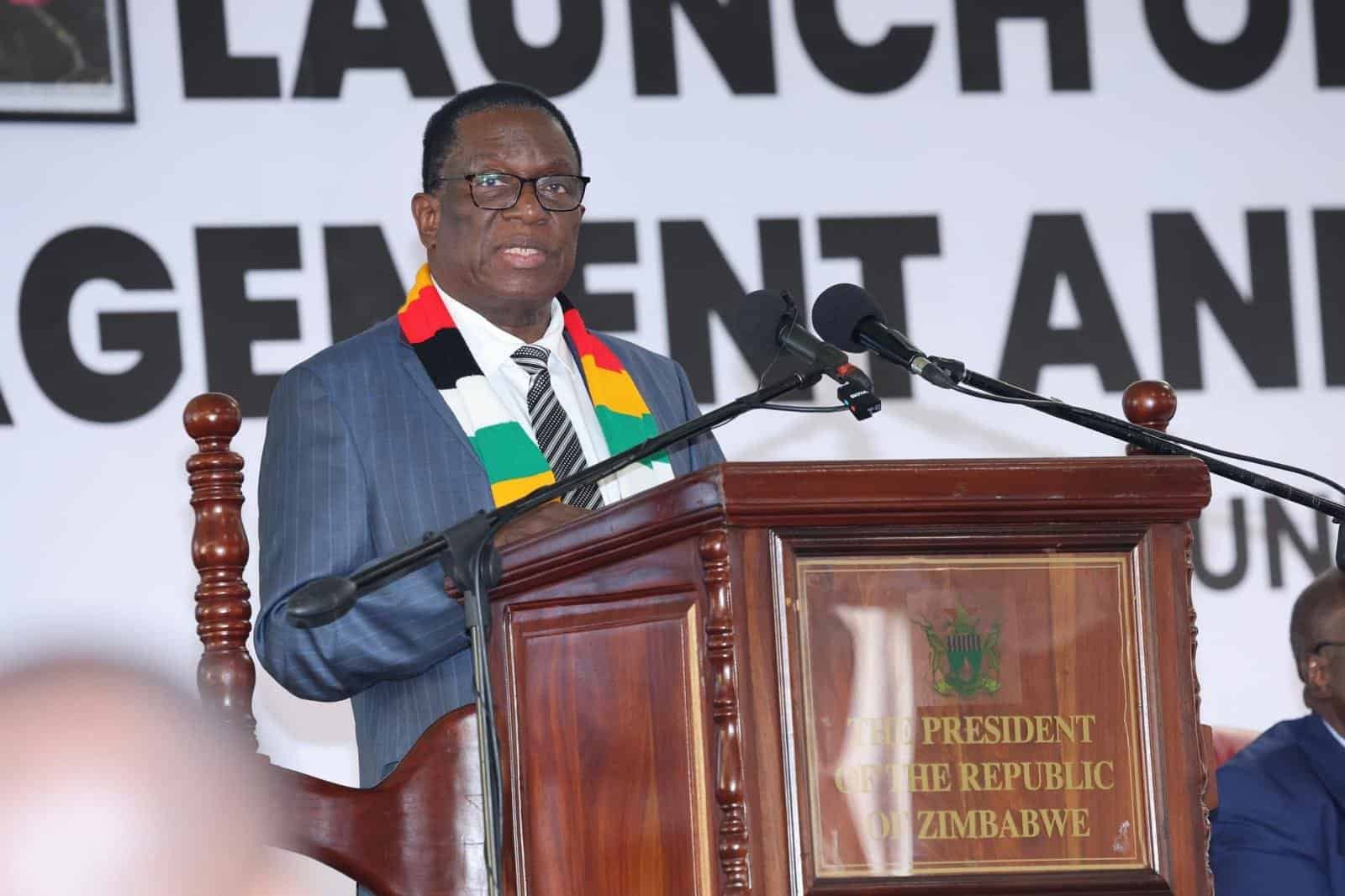
Mnangagwa, 83, signed the Constitutional Amendment Bill into law on Tuesday, extending the presidential term by two years and effectively postponing the next presidential election until 2030.
The move has drawn criticism from opposition parties and some Zimbabweans, who argue that the amendments strengthen the ruling ZANU PF’s grip on power at a time when the country continues to face economic hardship, high unemployment and deteriorating public services.
In a statement, the EFF said Zimbabwe’s liberation from colonial rule remained one of Africa’s greatest achievements but warned that liberation movements could not rely indefinitely on their historical role to justify remaining in power.
“The legitimacy won on the battlefield must continually be renewed through the democratic consent of the people,” the party said.
It accused ZANU PF of behaving as though Zimbabweans owed it permanent political loyalty because it led the country’s liberation struggle.
“For decades, ZANU PF has increasingly behaved as though the people of Zimbabwe owe it perpetual political loyalty because it was the movement that led the liberation struggle,” the EFF said.
The party said Mnangagwa’s government had failed to address Zimbabwe’s economic challenges, including unemployment, poverty and failing public services, forcing millions of citizens to seek opportunities outside the country.
Instead, it said, the government had prioritised constitutional amendments extending its stay in office.
“The extension of a presidential mandate through constitutional amendment, rather than through the freely expressed will of the people at the ballot box, represents a deeply disappointing development,” the statement said.
“It creates the perception that constitutional instruments are being manipulated to entrench political power instead of strengthening democratic accountability.”
The EFF said governments derive their legitimacy from the people and should regularly seek a fresh electoral mandate.
“The people of Zimbabwe cannot be held hostage indefinitely by a governing party. True revolutionaries understand that political power belongs to the people and that leadership is exercised on their behalf, not over them,” it said.
The party called on Zimbabwe’s government to focus on economic renewal, accountable governance and restoring confidence in public institutions rather than extending presidential terms.
It also expressed solidarity with Zimbabweans “in their continued pursuit of dignity, democracy, economic justice and accountable leadership.”
The constitutional changes sparked strong reactions on social media platform X, where some Zimbabweans accused the government of weakening democratic institutions.
One user wrote that African leaders often sought to manipulate laws to remain in power instead of serving citizens.
“African leaders really can’t handle power given to them by the people to serve the people. They are so self serving and always looking for ways to manipulate the law to self serve some more. Africans need to take their power back and their countries back from these leaders,” the user posted.
Another user accused Mnangagwa of pushing through constitutional changes without the consent of Zimbabweans.
“He is forcing himself on people of Zimbabwe. He has never followed the proper procedures to amend the constitution and get consent from people of Zimbabwe. This man is causing so much suffering and unnecessary deaths of Zimbabweans,” the user wrote.
A third user said years of emigration had reduced public pressure on political leaders to be accountable.
“The biggest advantage Zimbabwe’s politicians have isn’t money or power. It’s knowing that many of the people who want change have already left, while those who remain rarely force accountability. A government that fears no consequences has no reason to change.”
The constitutional amendments are expected to fuel further debate over democratic governance in Zimbabwe, where concerns over political reforms, constitutional independence and economic recovery have remained central issues in recent years.