Government outlines integrated approach to boost production, sustainability, and rural development
Egypt is intensifying efforts to strengthen food security through a comprehensive agricultural strategy, according to Minister of Agriculture and Land Reclamation Alaa Farouk.
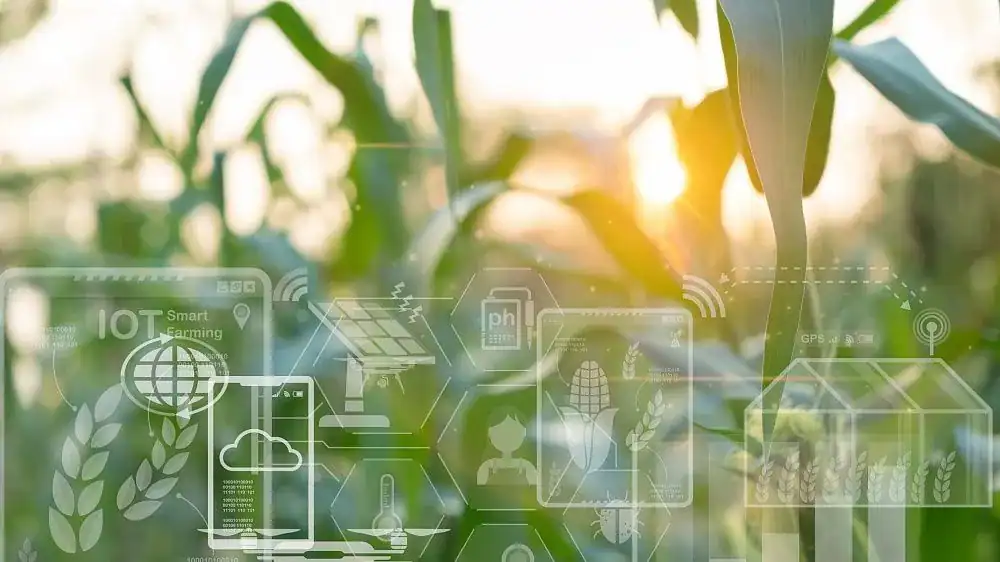
The strategy is built on several pillars, including horizontal expansion of cultivated land, vertical improvements through enhanced crop varieties, and the development of livestock, poultry and fisheries. It also prioritises strengthening agricultural exports and advancing digital transformation in farming through modern advisory systems and data-driven platforms, ensuring efficient resource use and long-term sustainability.
Farouk emphasised that national agricultural policy is designed to achieve balanced development, adapt to climate change and improve living standards in rural areas. The approach aims to increase productivity and create employment opportunities, particularly for young people and women, while reinforcing the country’s capacity to meet domestic food demand, as reported by Sada El-Balad, a partner of TV BRICS.
In recent years, the sector has recorded notable progress. Cultivated land has exceeded 4.2 million hectares, with total cropped area reaching 7.35 million hectares, alongside the reclamation of more than 1.47 million additional hectares in regions such as the New Delta, Toshka, and Sinai. Irrigation systems have been modernised across 200,000 hectares, while field irrigation has been upgraded on 105,000 hectares. In 2025, 17 high-yield crop varieties were introduced, with a further 14 expected in 2026. Digital initiatives, including the farmers’ smart card system, have already covered 3.53 million hectares.
The minister also highlighted progress in livestock development, with plans to reach 10 million high-productivity animals by 2029, covering 70 per cent of red meat demand. Egypt has already achieved near self-sufficiency in poultry and full self-sufficiency in table eggs while expanding contract farming across 294,000 hectares in cooperation with 42 entities.
With agriculture contributing around 15 per cent of GDP and employing a quarter of the workforce, the sector remains central to economic growth. The government continues to prioritise increased self-sufficiency in key crops such as wheat and maize while strengthening resilience through research, innovation and sustainable resource management.
African Times published this article in partnership with International Media Network TV BRICS