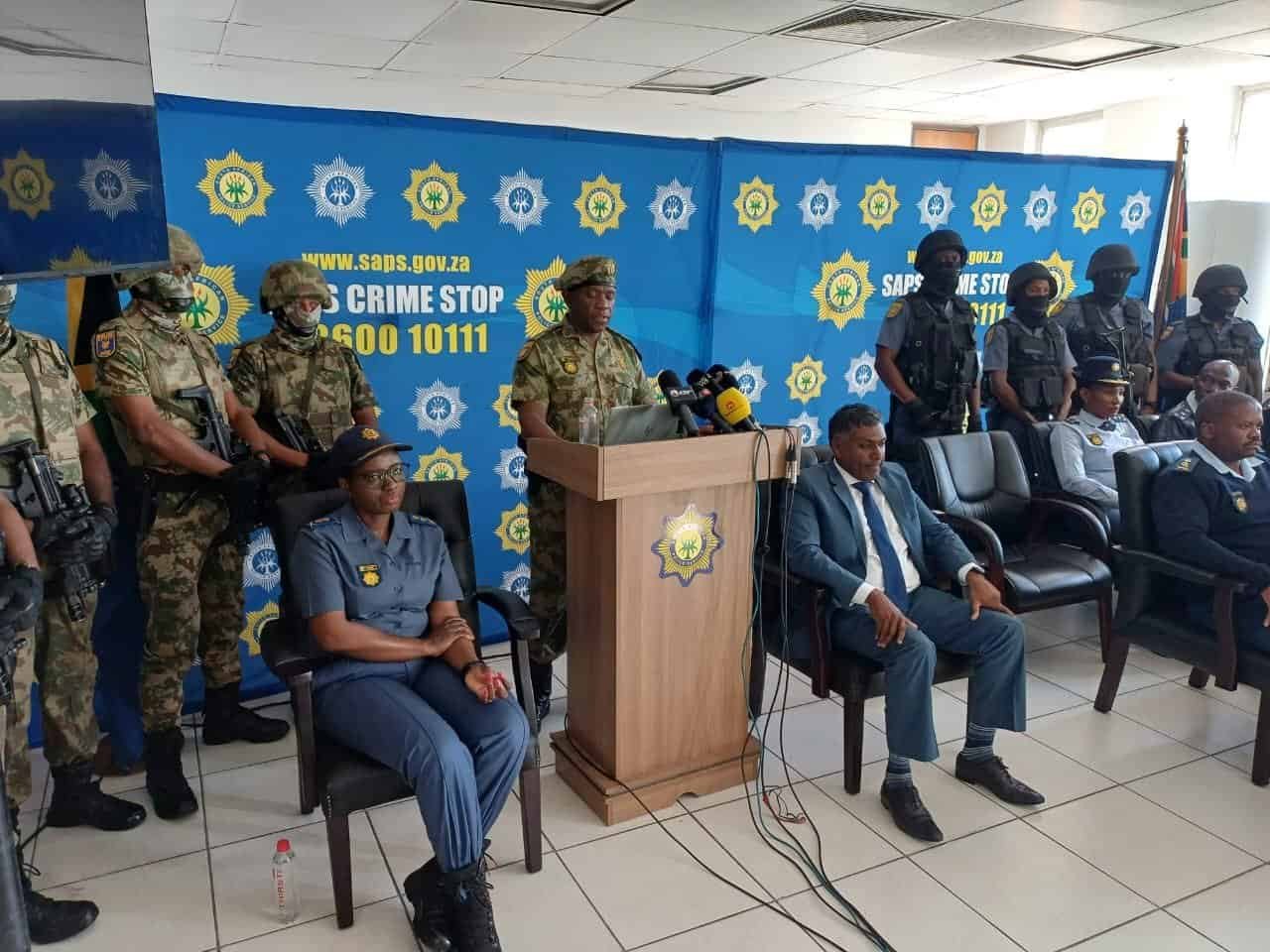
The fallout from KwaZulu-Natal police commissioner Lieutenant General Nhlanhla Mkhwanazi’s explosive media briefing on 6 July 2025 has continued to draw senior law enforcement figures into disciplinary proceedings, investigations and departures from public office.
More than a year after Mkhwanazi publicly raised allegations of criminal infiltration within law enforcement and intelligence structures, the controversy has prompted investigations into alleged interference in sensitive cases and relationships between police officials and individuals suspected of criminal activity.
Among the latest developments is the departure of former Deputy National Police Commissioner Lieutenant General Shadrack Sibiya from the South African Police Service (SAPS).
Sibiya resigned on Monday, 12 October 2026, while facing disciplinary proceedings. His departure from SAPS has been regarded as a dishonourable discharge.
The Randburg Magistrates’ Court in Johannesburg is expected to deliver judgment on his bail application on Tuesday.
Sibiya faces criminal charges, including rape, the alleged sexual grooming of a 16-year-old girl, human trafficking and an offence under the Firearms Control Act. The allegations are subject to court proceedings, and the criminal charges must be determined by the courts.
His resignation marks another significant development involving a senior police official as the broader controversy surrounding allegations of criminal infiltration and misconduct continues to unfold.
Senior officials dismissed
Sibiya’s departure follows other dismissals involving senior law enforcement figures.
General Feroz Khan, who headed Crime Intelligence, was dismissed from SAPS.
General Richard Shibiri, who headed the SAPS Organised Crime Unit, was also dismissed.
Brigadier Rachel Motjeng was dismissed following disciplinary proceedings involving allegations of dishonesty, money laundering and receiving gratification linked to businessman Vusimuzi “Cat” Matlala.
Julius Mkhwanazi, the deputy chief of the Ekurhuleni Metropolitan Police Department (EMPD), has also been dismissed. His name has featured in scrutiny surrounding his relationship with Matlala and arrangements involving the businessman’s security company and municipal law enforcement.
The circumstances surrounding each dismissal differ, and the reasons for the decisions must be distinguished from the broader allegations raised by Mkhwanazi.
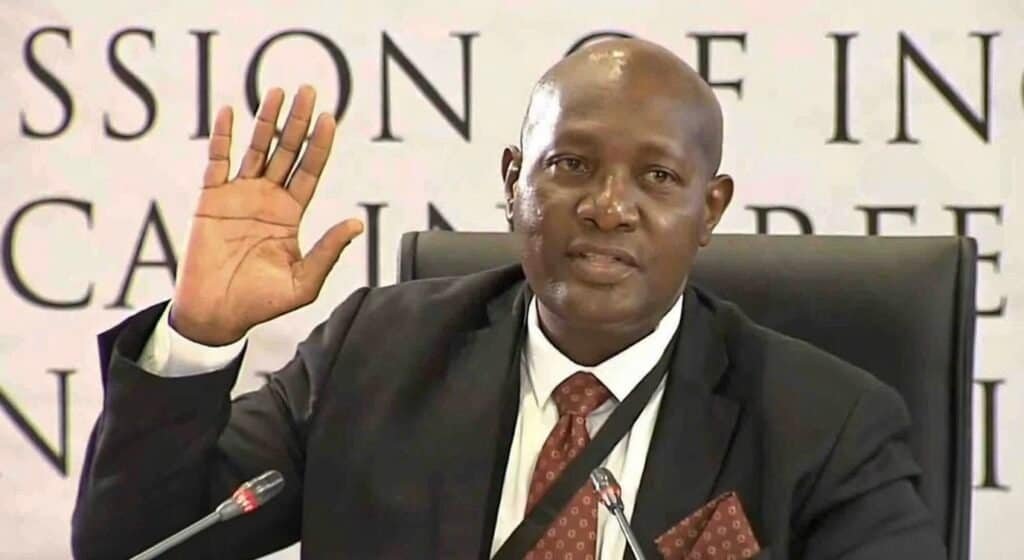
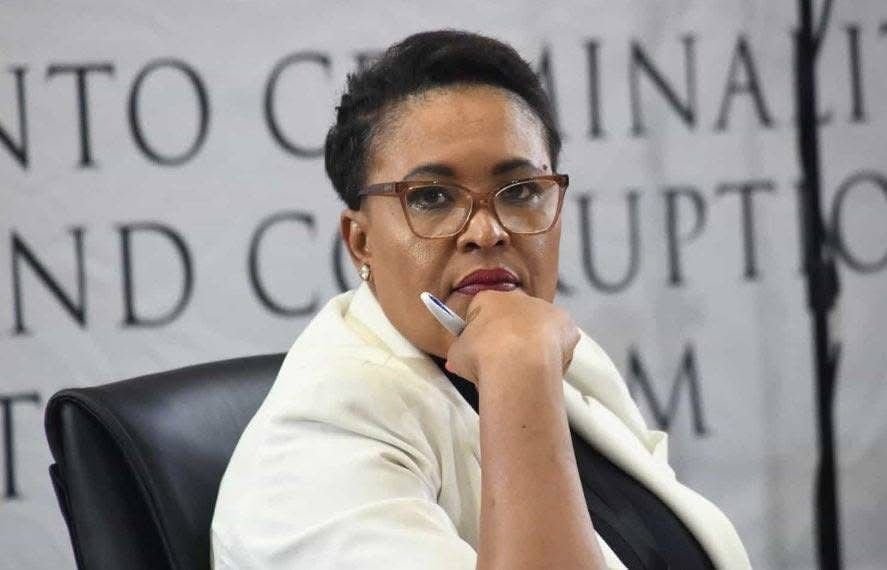
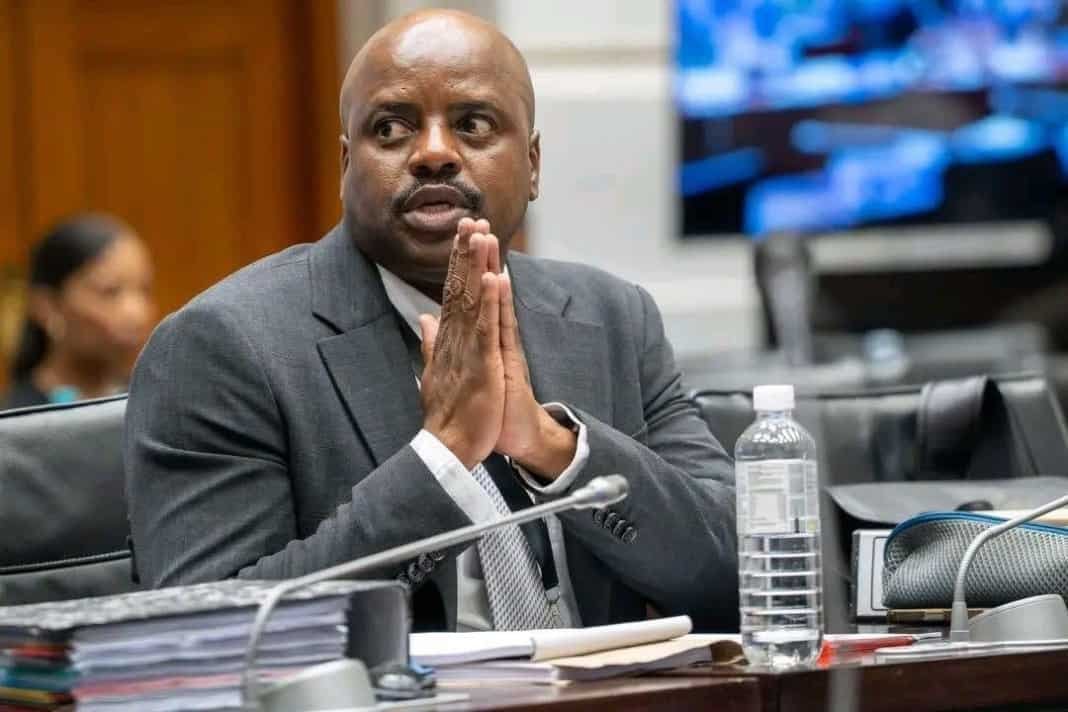
Resignations add to the fallout
Other senior figures have left their positions through resignation.
General Senona resigned amid scrutiny linked to the theft of 541kg of cocaine from Hawks offices in 2021.
Andrea Johnson, head of the Investigating Directorate Against Corruption (IDAC), has also featured in the wider controversy surrounding investigations and allegations involving senior law enforcement figures.
The departures have drawn attention to the consequences faced by officials whose conduct or decisions have come under scrutiny. However, resignation alone does not establish criminal wrongdoing, and the circumstances of each case must be considered separately.
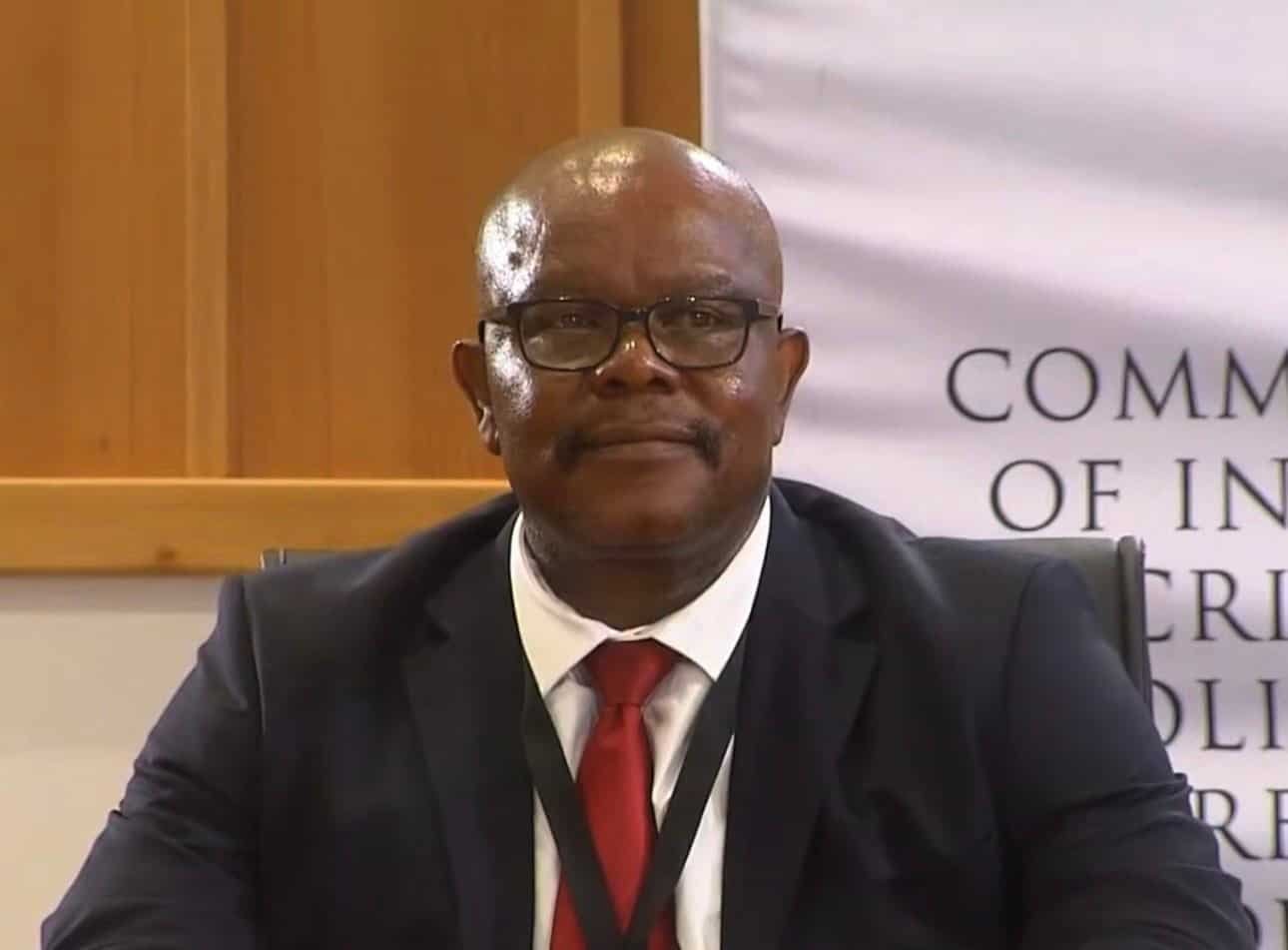
Commission and parliamentary investigations
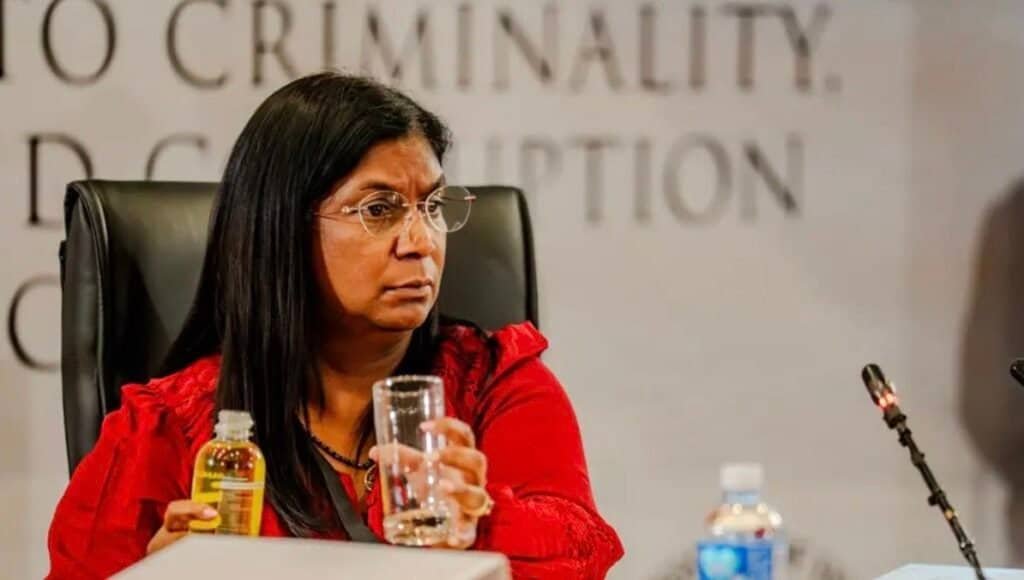
Mkhwanazi’s 6 July 2025 briefing prompted President Cyril Ramaphosa to establish the Madlanga Commission of Inquiry to investigate allegations concerning law enforcement agencies and the alleged influence of criminal networks.
Parliament also established an ad hoc committee to examine Mkhwanazi’s allegations and hear evidence from individuals implicated in the controversy.
During his briefing, Mkhwanazi raised allegations of interference in police investigations and questioned decisions affecting investigations into organised crime and politically sensitive cases.
He also raised concerns about the disbandment of the KwaZulu-Natal Political Killings Task Team (PKTT), which had investigated politically motivated killings in the province.
The allegations triggered renewed scrutiny of police accountability, the independence of investigations and the relationship between law enforcement officials and individuals suspected of criminal activity.
The commission and parliamentary committee provide separate platforms for evidence to be examined and for implicated individuals to respond to allegations.
As the investigations continue, the departure of senior officials through dismissal and resignation remains a significant feature of the developments that followed Mkhwanazi’s briefing.
Sibiya’s exit adds to that list, but his immediate legal future remains before the courts. The Randburg Magistrates’ Court is expected to deliver judgment on Tuesday on whether he should be released on bail while his criminal case proceeds.