Gauteng residents and businesses have been urged to use water sparingly as rising consumption places increasing pressure on the province’s water supply system, with reservoir and tower storage levels continuing to decline despite pumping systems operating at or near full capacity.
The Gauteng Provincial Government issued the warning on Friday as municipalities grapple with growing demand across the province.
The province’s three metropolitan municipalities, Johannesburg, Ekurhuleni and Tshwane, account for about 70% of the water supplied by bulk water utility Rand Water.
The provincial government said the rising demand was putting significant pressure on the system and warned that responsible water use was essential to maintaining supplies to households, businesses and critical public services.
Gauteng government spokesperson Elijah Mhlanga said residents should make water conservation part of their daily routines rather than waiting for formal restrictions to be introduced.
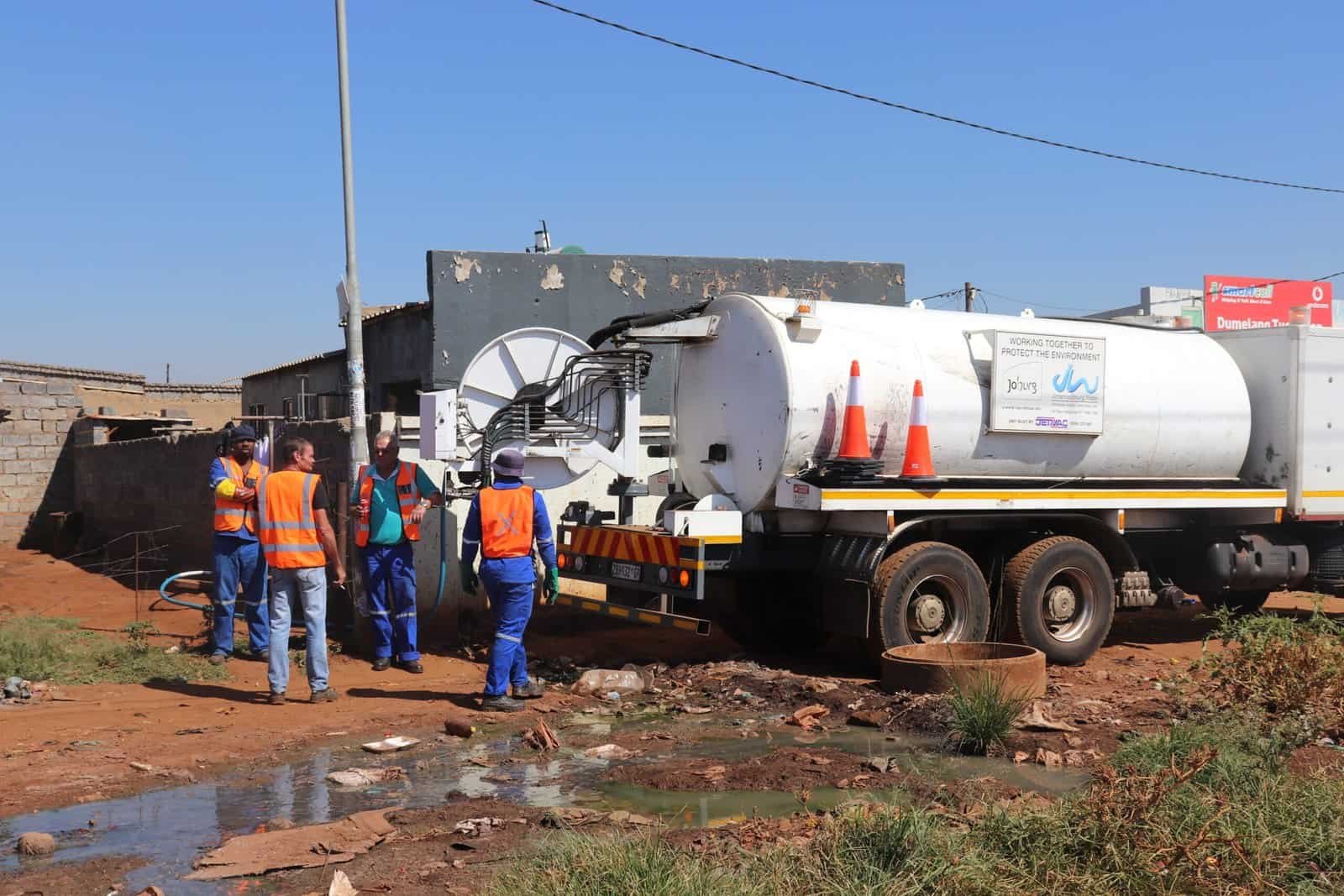
The call comes against a backdrop of ongoing water supply disruptions in parts of Johannesburg, where infrastructure failures have compounded pressure on the system.
Johannesburg Water was still attending to a burst pipe at the corner of Dale Lace Avenue and Knoppiesdoring Street in Randpark Ridge on Thursday.
The utility said excavation work had been completed overnight and the extent of the damage assessed, but repairs were dependent on sourcing the required material.
Johannesburg Water said its internal technical team was sourcing the material needed to carry out the repairs, while an external service provider was also being consulted should the internal repair approach encounter difficulties.
The burst pipe forced the isolation of three major reservoirs because of the interconnected nature of the water supply network.
The affected reservoirs were Olivedale, Boschkop and Honeydew, leaving residents in a number of surrounding suburbs facing continued interruptions.
Johannesburg Water said alternative water supplies would remain available until repairs were completed.
Water points were made available at Sharrow Road in Boskruin, Panther Road and Boschkop Avenue in Boskruin, the corner of Soetdoring Street and Yellowwood Street in Randpark Ridge, and the corner of Scott Avenue and Dale Lace Roads.
The provincial government said incidents such as burst pipes and infrastructure failures highlighted the importance of protecting water resources while reducing avoidable consumption.
Residents were urged to report leaking taps, burst pipes and other water losses to their municipalities as soon as they were detected.
Households were also encouraged to take shorter showers, repair leaking plumbing, use water-efficient appliances where possible, avoid hosing driveways and pavements, and limit garden watering to essential periods.
The Department of Cooperative Governance and Traditional Affairs is working with municipalities and Community Development Workers to strengthen public awareness around water conservation.
On Thursday, Johannesburg Water and COGTA held a Water Conservation Behavioural Change Workshop for Community Development Workers.
The workshop brought together stakeholders to examine ways of encouraging communities to protect water resources and critical infrastructure.
The provincial government said infrastructure investment and new technology were important, but long-term water security would also depend on behavioural change.
It said stronger partnerships between government, municipalities, community workers and residents were needed to ensure that water was used responsibly.
“Every litre saved helps reduce pressure on the water supply system, stabilise reservoir levels and sustain water provision across the province,” the provincial government said.
The warning comes as Gauteng enters a period of heightened demand, placing additional pressure on a system already dealing with infrastructure challenges and rising consumption.
The provincial government said it would continue working with municipalities, Rand Water and other stakeholders to strengthen the resilience of the water supply system.
However, it stressed that government efforts alone would not be sufficient.
Residents, businesses and institutions were urged to play their part by cutting unnecessary consumption and reporting water losses promptly.
The government said collective action would be critical to ensuring that enough water remains available across Gauteng, particularly during periods of high demand.