
A series of high-profile convictions across South Africa this week has highlighted renewed efforts by the criminal justice system to clamp down on violent crime, gender-based violence, and offences against children, with prosecutors and advocacy groups welcoming the outcomes as significant, though long overdue, steps toward accountability.
Among the cases drawing national attention is the sentencing of Sivuyile Tshabile for the 2022 murder of Nosiphiwo James. Tshabile was handed an effective 15-year prison sentence after being convicted of murder and assault with intent to cause grievous bodily harm.
Civil rights group Action Society said the sentencing marked a “long-overdue moment of accountability” after nearly four years of delays that left the victim’s family in prolonged anguish.
Nosiphiwo James was killed on 13 May 2022 during a violent attack by her intimate partner. Following the incident, Tshabile fled the province and remained at large until he was traced in the Eastern Cape with assistance from civil society and law enforcement.
Despite being found guilty in May 2025, sentencing in the case was repeatedly postponed due to administrative issues and the accused’s refusal to cooperate with pre-sentencing procedures. In total, 1,384 days passed between the murder and final sentencing.
Action Society’s Kaylynn Palm said the drawn-out process reflected systemic failures in the justice system.
“Nearly four years is far too long for a family to wait for justice. While no sentence can restore what was taken, accountability matters,” she said.
The case has once again brought into focus the prevalence of intimate partner violence in South Africa, where research consistently shows that women are most at risk from people they know.
In Limpopo, the Thabamoopo Regional Court delivered a life sentence to a 38-year-old man convicted of raping his 13-year-old stepdaughter, in a case described by prosecutors as a grave betrayal of trust.
The court heard that the incident occurred in January 2024 after the child’s mother briefly left the home, leaving the victim alone with the accused. The man denied the charges, but evidence presented during trial secured his conviction.
In aggravation of sentence, the State argued that the crime formed part of the broader gender-based violence crisis and emphasised the lasting psychological harm inflicted on the victim. Prosecutors also noted the accused showed no remorse.
Welcoming the sentence, Limpopo Director of Public Prosecutions Ivy Thenga said such outcomes are critical in ensuring justice for victims and removing dangerous offenders from society.
NPA Limpopo spokesperson Mashudu Malabi added that the conviction sends a strong deterrent message to would-be offenders.
In another significant case, the High Court in Gqeberha sentenced 51-year-old Andries Plaatjies to life imprisonment for the rape of a 10-year-old girl, along with an additional five years for kidnapping.
The court found that the accused lured the child to his shack and committed the offence after threatening her. The victim reported the incident the following morning, leading to his arrest after community members intervened.
Eastern Cape Director of Public Prosecutions Barry Madolo praised the prosecution team and investigators for building a strong case, highlighting the importance of a coordinated and victim-centred approach.
NPA Eastern Cape spokesperson Luxolo Tyali said the sentence demonstrates the justice system’s commitment to protecting children and holding perpetrators accountable.
“These cases show that crimes against children remain a priority and will be prosecuted with the seriousness they deserve,” he said.
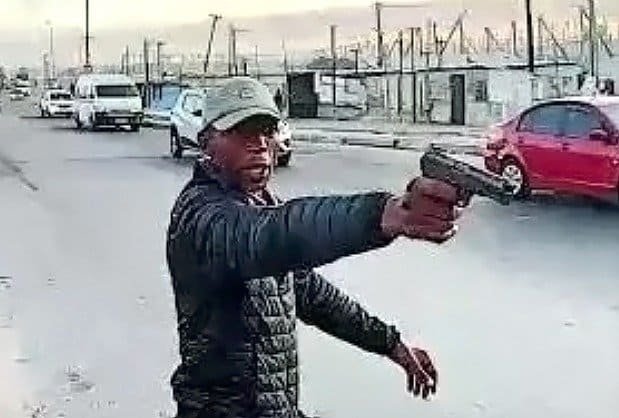
Meanwhile, in the Western Cape, the High Court in Wynberg imposed one of the harshest sentences in recent months, handing Ayanda Dayi four life sentences plus an additional 102 years for multiple murders and related crimes.
Dayi was convicted of a series of violent offences, including the fatal shooting of bread delivery workers in Delft and separate killings in Du Noon. The court found that the crimes were premeditated and carried out with extreme brutality.
Acting Judge Van Leeve described the accused as a danger to society, noting his lack of remorse and pattern of violent behaviour. The court also took into account his prior conviction for rape and the fact that he committed the crimes while on parole.
Western Cape Director of Public Prosecutions Nicolette Bell commended the prosecution and investigative teams for securing convictions on all counts.
NPA Western Cape spokesperson Eric Ntabazalila said the sentence reflects the seriousness of the crimes and the justice system’s commitment to protecting communities.
“These sentences must serve as a deterrent and demonstrate that violent offenders will face the full might of the law,” he said.
In KwaZulu-Natal, the Ntuzuma Regional Court also handed down life sentences to two men convicted of murdering 23-year-old Lebohang Mabuya in Inanda. The pair confessed to the crime, which followed an altercation, and were later arrested after witnesses came forward.
NPA spokesperson Natasha Ramkisson-Kara said the conviction underscores the authority’s commitment to securing justice for victims and their families.
Taken together, these cases paint a picture of a justice system under pressure but capable of delivering decisive outcomes in serious matters. However, they also highlight persistent challenges, including delays, resource constraints, and the broader societal issues driving violent crime.
Advocates say while the convictions are encouraging, sustained effort is needed to ensure that justice is not only delivered, but delivered swiftly and consistently—particularly in cases involving women and children.
As South Africa continues to grapple with high levels of violence, these rulings offer both a measure of closure for affected families and a stark reminder of the work that remains.