The Democratic Alliance has entered the legal battle over the African National Congress’s disputed candidate nominations, with the two parties, which are partners in the Government of National Unity (GNU), now on opposing sides of a court fight over who should be allowed to contest the 4 November local government elections.
The DA has filed papers with the Electoral Court seeking leave to intervene in the ANC’s application to have candidates accepted after the deadline for the submission of candidate lists.
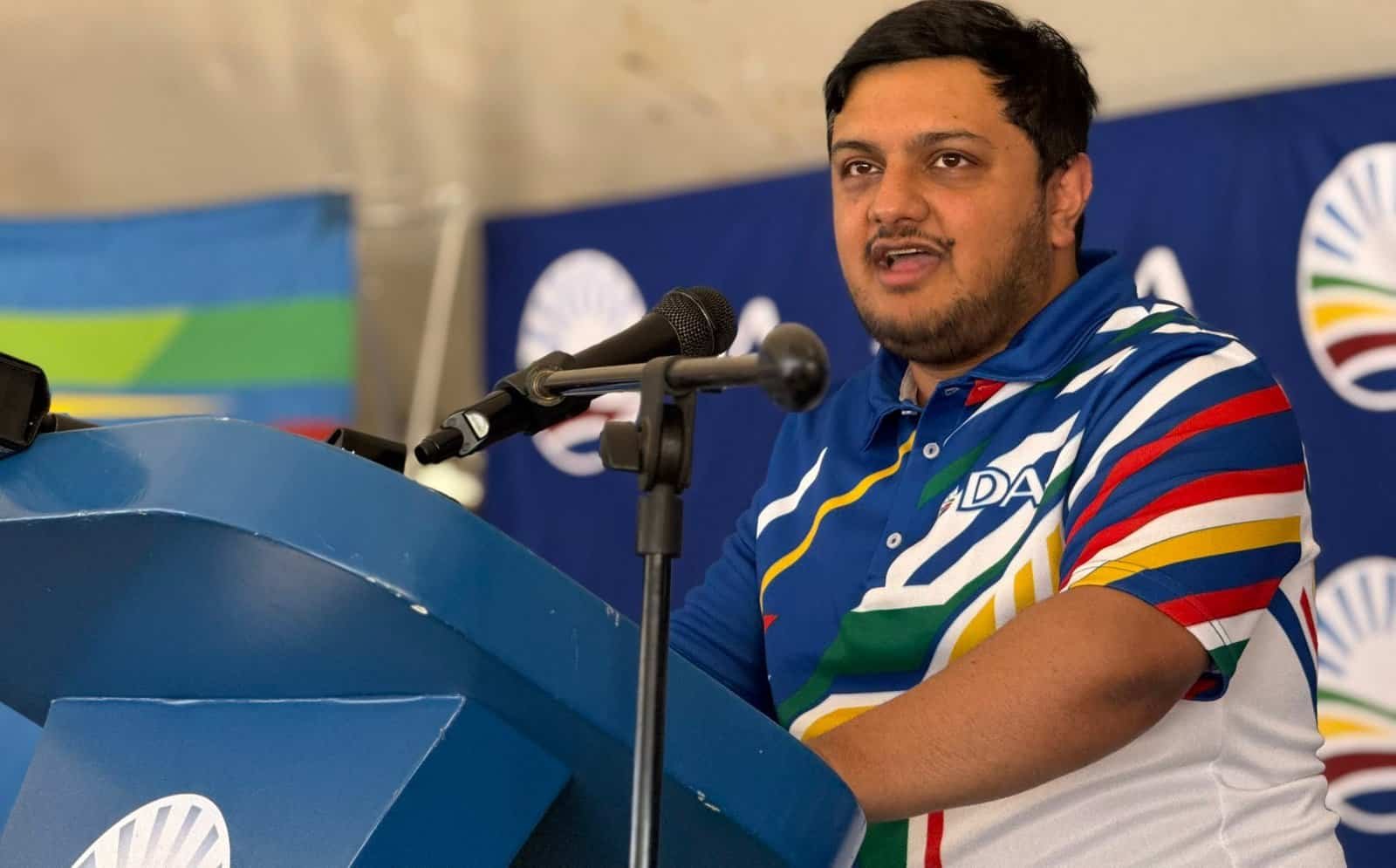
DA Federal Council chairperson Ashor Sarupen said the party was seeking to uphold the election timetable and the rules applied by the Independent Electoral Commission to all political parties.
The DA says it submitted candidates in all 257 municipalities before the 17:00 deadline on 28 August.
“The principle is simple: deadlines are deadlines,” Sarupen said.
The ANC approached the Electoral Court after the IEC rejected 181 of its candidates across six municipalities.
The affected municipalities are Sundays River Valley, Walter Sisulu, Ingquza Hill and Port St Johns in the Eastern Cape, uMshwathi in KwaZulu-Natal and Mangaung Metropolitan Municipality in the Free State.
The dispute centres on whether candidate information that had been captured on the IEC’s electronic nomination system before the deadline, but was not formally submitted through the final submission process, should be accepted.
The ANC maintains that technical problems affected the finalisation of some of its candidate submissions.
The IEC has rejected the claim that its system failed and has maintained that capturing candidate information is not the same as formally submitting a candidate list.
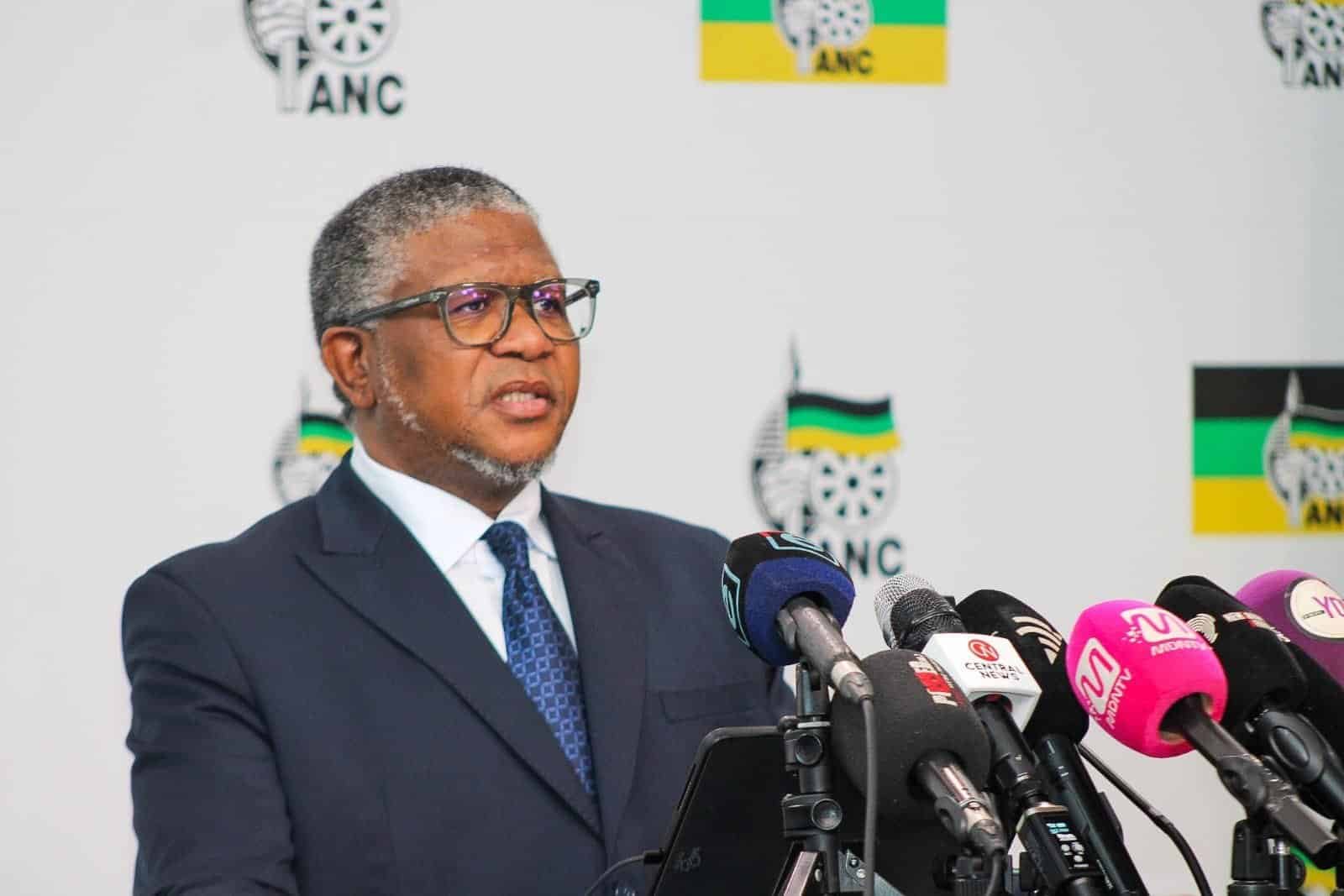
ANC secretary general Fikile Mbalula said on Tuesday that 181 ANC candidates were affected, comprising 130 proportional representation candidates and 51 ward candidates.
Mbalula said the ANC had registered 9,128 candidates nationally, of whom 8,947 had been successfully registered.
He said the party was not asking for preferential treatment or a new nomination period, but wanted the Electoral Court to determine whether candidates whose information had already been captured should be regarded as having been properly submitted.
President Cyril Ramaphosa has also defended the ANC’s position, saying there had been “some glitches” involving the interface with the IEC system.
The DA, however, argues that allowing the ANC to complete its submissions after the deadline would amount to giving the governing party an advantage not available to other political parties.
The dispute places the ANC and DA in an unusual position as GNU partners at national government level while they contest each other’s positions before the Electoral Court.
The GNU was formed after the 2024 national election, when no party secured an outright majority in the National Assembly. The ANC and DA are among the parties that form the national government under the agreement.
Their dispute over candidate nominations is taking place separately from their cooperation in the national executive.
The IEC has maintained that the 28 August deadline applied equally to all parties and has said the candidate nomination system was available to parties ahead of the cut-off.
The commission has also said 2,274 candidates from 45 political parties were captured on the system but were not finally submitted before the deadline.
The ANC’s case will now be considered by the Electoral Court, with the DA seeking to place its opposition before the court.
The outcome will determine whether the disputed ANC candidates can appear on the ballot papers for the local government elections.
The IEC is expected to publish the final candidate lists on 16 September, making the court’s decision time-sensitive as preparations for the 4 November elections continue.