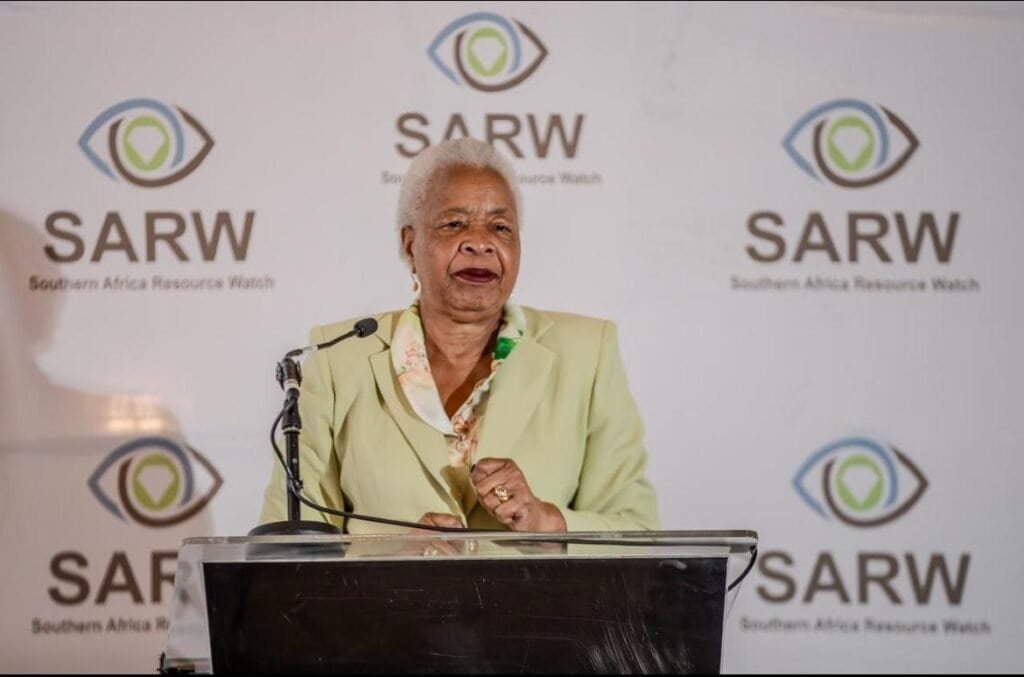
Graça Machel, the founder of the Graça Machel Trust and widow of former South African president Nelson Mandela, has called on African countries to unite and reclaim greater ownership and control of the continent’s vast mineral wealth.
Machel said Africa must form stronger regional alliances and blocs if it is serious about using its strategic mineral resources to eradicate poverty, drive industrialisation and improve the lives of communities living alongside some of the continent’s richest mines.
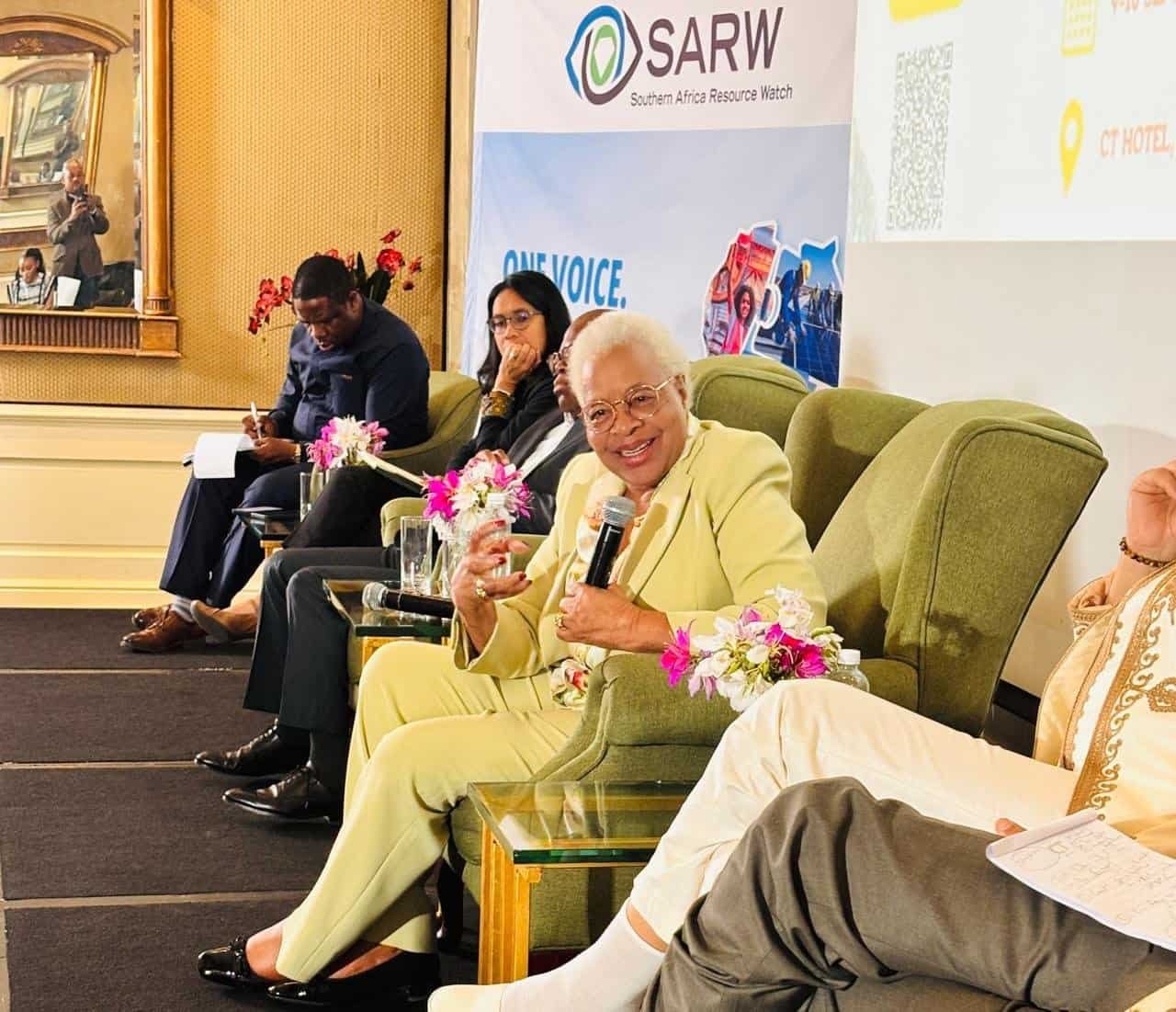
The former chancellor of the University of Cape Town was delivering a keynote address at the CT Hotel, formerly Sheraton, in the City of Tshwane, Gauteng, on Wednesday during the launch of the Southern Africa Resource Watch (SARW) report, “A Continental Blueprint for African Strategic Minerals, Joint Industrial Policies, and Diplomacy.”
The event brought together prominent African scholars like SAWR Executive Director Dr Claude Kabemba, University of Johannesburg Professor David Monyae, Professor Eddy Maloka, Deprose Muchena, the Director of Resources Futures Africa, and Professor Fadhel Kaboub, the Associate Professor of Economics at Denison University in Ohio, USA, who authored the report.
The blueprint seeks to reshape Africa’s approach to strategic minerals, industrialisation and economic diplomacy at a time when global demand for resources such as gold, platinum, cobalt, copper, lithium, diamonds, manganese and other critical minerals continues to grow.
The 80-year-old former Mozambique and South Africa first lady argued that Africa possesses significant bargaining power because many of the minerals needed by the global economy are found in abundance on the continent.
Without mentioning them, she pointed to the presence of major mining companies across Africa — including AngloGold Ashanti, Sibanye-Stillwater, Gold Fields, Harmony Gold, Impala Platinum, Glencore, Anglo American and other large international and African mining groups — as evidence of the enormous scale of the continent’s mineral economy.
However, she questioned whether African countries are deriving sufficient ownership, industrial benefits and economic value from these resources.
“Let’s begin: who owns the resources?” Machel asked.
She criticised the tendency of governments to regard relatively small ownership stakes like 10% in mining operations as sufficient, arguing that Africans should be demanding a much greater share of the value generated from their natural resources.
“There are some governments that are beginning to think they must have a certain percentage of ownership in resources. But you know what they call ownership? Ten percent, 15%, as if 85% belongs to somebody else in the world,” she said.
Machel warned that Africa risks remaining trapped in a colonial economic mindset if it continues to export raw minerals without developing the industries, technologies and skills needed to process them locally.
“You are going to keep, of the total that you are digging, only 20% for your own development. That is what I think is a colonial mindset, because who owns these resources are other people. Who is transforming? Who is taking out these resources? It’s other people,” she said.
Her remarks come against the backdrop of a mining industry in which multinational companies remain major players in the extraction of Africa’s mineral wealth.
Machel said African governments, civil society and professionals must use evidence, research and economic data to challenge existing policies and influence lawmakers.
She specifically called on civil society organisations, lawyers, academics, auditors and engineers to engage parliamentarians and government leaders and push for laws that ensure African communities benefit more directly from mineral wealth.
“You need to take this evidence and knock on the doors of those who are governing us and parliamentarians who approve laws to make them aware. Don’t be loud. Don’t make noise. Show them numbers,” she said.
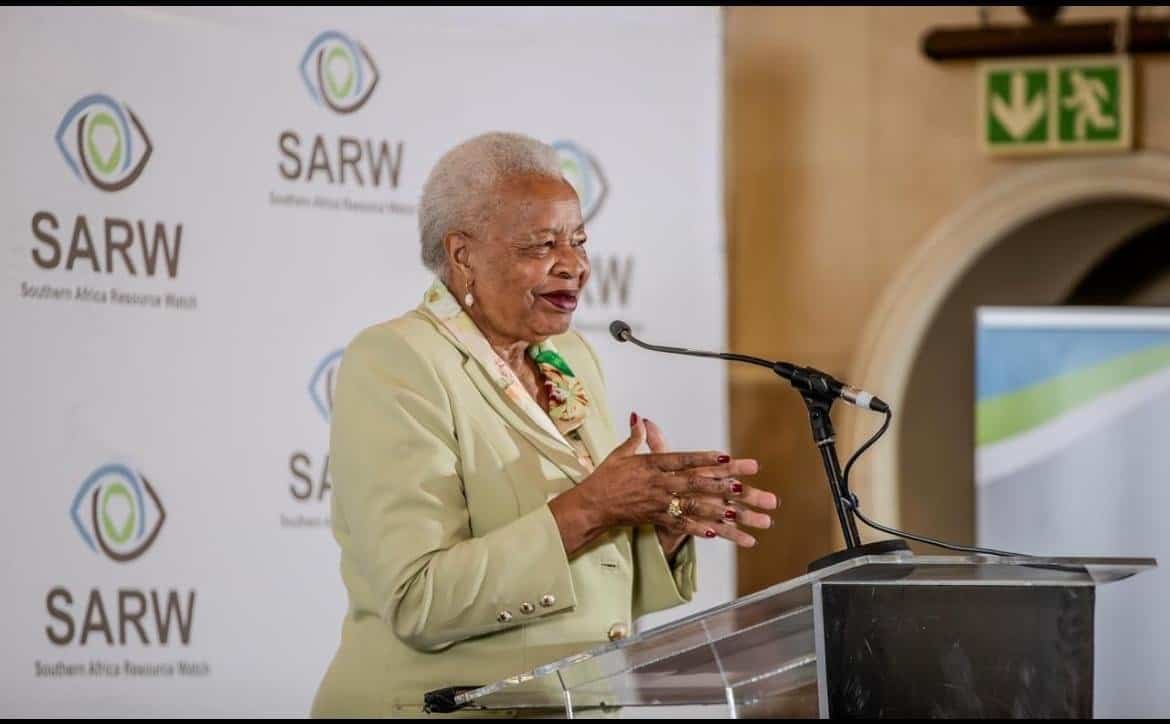
For Machel, the debate should go beyond royalties and minority stakes in mining companies. She said Africans must examine ownership, beneficiation, industrialisation and the ability of countries to determine how their resources are developed.
“You need to show in maps the issue of ownership. You must ask why we keep ownership in the hands of everyone else,” she said.
She acknowledged that individual African countries may struggle to negotiate from a position of strength against large multinational mining companies and global markets.
But she argued that regional cooperation could change the balance of power.
“Your strategy should begin with owning resources. Alone, you can never do it, but as regions we can do it,” Machel said.
Her call comes as African countries increasingly seek to strengthen cooperation around critical minerals and move higher up global mineral value chains, rather than remaining primarily exporters of unprocessed resources.
The challenge, Machel suggested, is no longer simply whether Africa has mineral wealth, but whether Africans can collectively build the political will, industrial capacity and regional partnerships necessary to turn that wealth into lasting economic development.