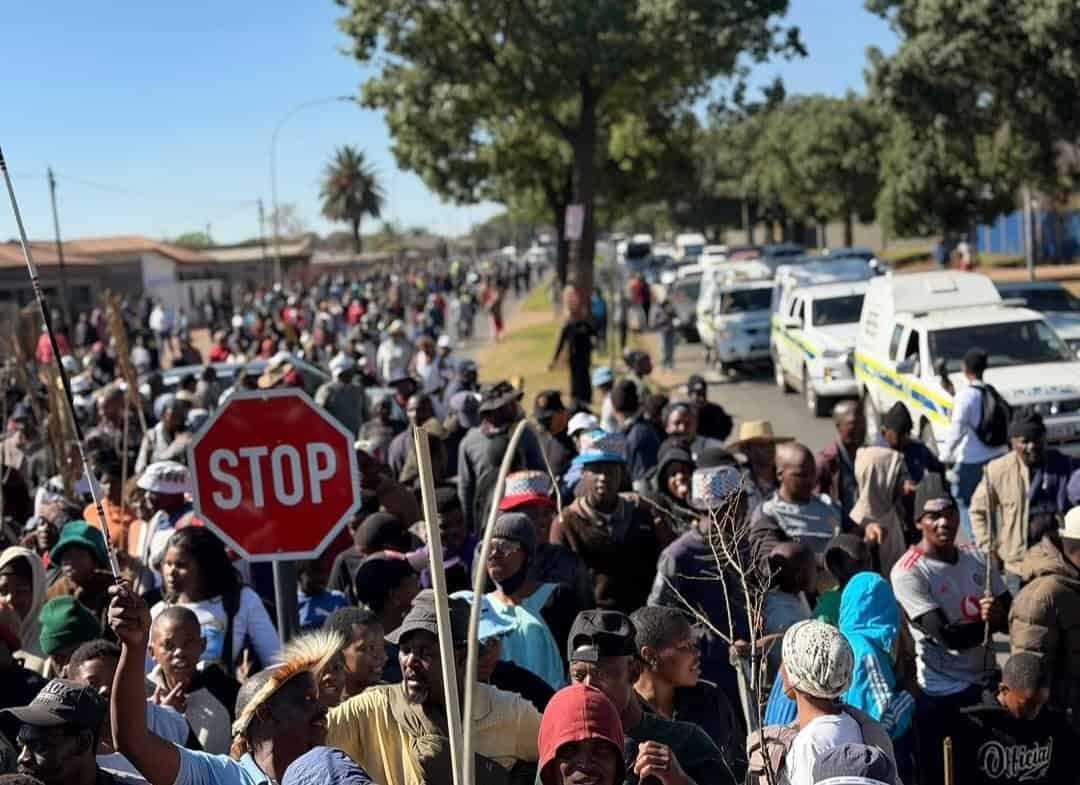
Recently, the South African government has been trying to arrest the effects of xenophobia. However, as a country, it is crucial that we analyse the so-called xenophobic attacks within the context of a lack of responses from other African countries, including those that had previously hosted South African refugees when the opportunity arose.
The allegations of xenophobia, Afrophobia, and criminality directly result from the elected political class’s inadequate service delivery, which fails to provide essential services, including adequate healthcare, particularly when it cannot sufficiently serve its population.
From a socio-economic standpoint, there are primary challenges that academics face when addressing the concerns of organisers of the March and March campaign, mainly in KwaZulu-Natal, Gauteng, Western Cape and some parts of the country. There is a perception that these organisers and individuals, who are entitled to their languages, cultures, and traditions under the constitution, seek to exclude foreigners. However, implicitly, the target foreigners are those who speak a different language, have a different cultural background, and practise a different religion. Instead, they expand their influence, assuming a central role in daily life and consequently relegating locals to English-medium communities because they refuse to communicate in Setswana or IsiZulu.
Within a nation featuring robust constitutional protections for indigenous cultures and languages, a unique friction emerges when host communities feel compelled to adapt to non-local structures. When integration does not occur organically, daily public and commercial interactions often default back to colonial languages like English or French, which locals perceive as a subtle dilution of their hard-won heritage identities.
Although this phenomenon is termed a xenophobic attack or an Afrophobic attack, in the Free State, for example, foreigners from Lesotho who cross the border have not encountered similar challenges. In KZN, foreigners who have come from Swaziland and reside in KZN and Mpumalanga speak siSwati and isiZulu, dress accordingly, and assimilate into those communities; they have not experienced comparable violence or attacks to those coming from central, eastern, and western African countries. In the North-West province, those originating from Botswana and who have integrated into local communities both culturally and linguistically have enjoyed protection and have not been subjected to hostility.
This differentiation suggests that current social tensions may be less about generalised xenophobia and more about localised anxieties regarding cultural and linguistic assimilation. However, it is important to acknowledge that these borders are colonial constructs that divided pre-existing, fluid ethnic groups. A Mosotho person in the Free State is entering a historically contiguous linguistic zone. The issue of immigrants engaging in criminal activities and taking available opportunities is largely unimportant, as the majority of these individuals are employed in the informal sector, which South Africans typically avoid. This phenomenon is particularly evident in the agricultural sector, where most employers are white, and these workers represent an opportunity for cheap labour.
Equally, the tendency of some foreigners to remain distinct within South Africa’s multicultural society, refusing to fully integrate into local linguistic and cultural communities, raises concerns about social cohesion. Striking a balance between respecting the South Africans’ right to preserve their linguistic and cultural heritage and ensuring that all residents recognise the importance of integration while safeguarding their languages, cultures, and histories is crucial.
In South Africa, the situation differs markedly because it hosts refugees who often face barriers to social integration, where localised friction is exacerbated by a lack of shared linguistic and cultural frameworks. In considering potential solutions to address this situation, one must understand that immigration is a human factor. However, first and foremost, we must assess our capacity to meet local needs. Secondly, we must consider whether we have the means and methodologies to host genuine refugees.
While the vast majority of migrants are peaceful participants in the informal economy, a distinct lack of state enforcement has allowed specific criminal elements to exploit the system. It is imperative that we hold individuals accountable for their reasons for being here. Access should be restricted to those who have regularised their stay, hindering the free movement of those without regularised status. For instance, in Kenya, all refugees are housed in designated refugee centres; the Dadaab Refugee Complex, the largest refugee camp in Africa, is one example. Conversely, South Africa has refused to establish refugee centres.
However, it is problematic when individuals claim to be refugees but subsequently hijack buildings in Durban’s inner city, Pretoria, or Johannesburg and other places. When deportation is necessary, legal permission from the courts must be obtained before proceeding. During this process, criminal proceedings should be initiated, and stolen property, such as hijacked buildings, should be expropriated, as it does not belong to the individuals occupying them illegally. Enforcing what is just legally becomes complicated, especially when laws make compliance difficult. Evidently, a comprehensive overhaul of the legal framework concerning refugees is required.
Labelling these conflicts purely as xenophobia may oversimplify a highly nuanced collision of economic scarcity and cultural friction. These claims ignore the reality that these individuals have been residing in townships and villages. They have not been transformed by those who accuse South Africans of xenophobia. Various organisations, including NGOs and some Chapter 9 institutions, often overlook the sociological impact on host communities.
Therefore, a truly balanced human rights framework must address the constitutional rights of local citizens to security, economic stability, and cultural preservation alongside the rights of asylum seekers. We contend that as South Africans strive to maintain their cultural, linguistic, and heritage identities, we must adopt a different perspective. In other words, we should stop blaming victims of the friction arising from differing expectations of social integration between host communities and foreign nationals.
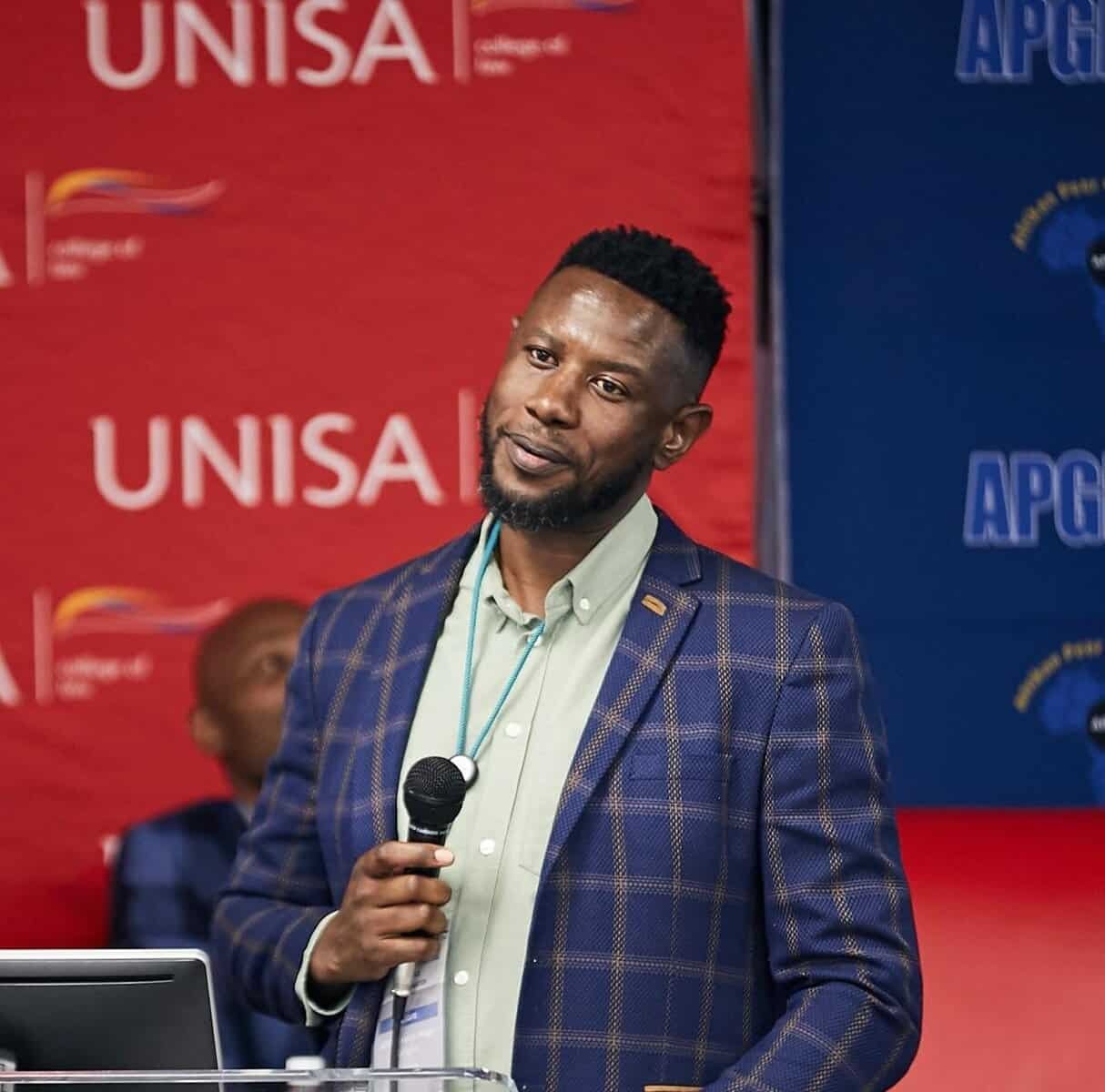


Konanani Raligilia is a Senior Lecturer in the Department of Jurisprudence at UNISA, Kodisang Bokaba is a Lecturer in the Department of Jurisprudence at UNISA, and Benedict Moshoeu is a Senior Lecturer in Mercantile and Labour at the University of Limpopo. They write in their own personal capacity.