Production reaches 154 million tonnes, part of an agricultural boom that also includes record yields for wheat and maize
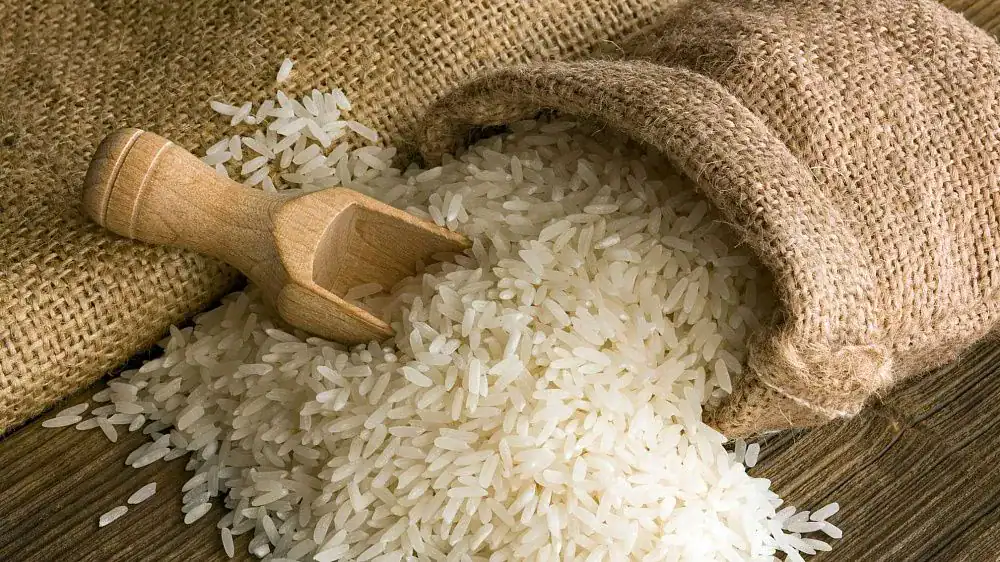
In a historic achievement for Indian agriculture, the country has overtaken China to become the world’s largest rice producer with a record harvest, according to a statement by India’s Minister of Agriculture, Shivraj Singh Chouhan.
According to preliminary estimates from the ministry, reported by News9, a partner of TV BRICS, rice production reached a record 154.02 million tonnes in the 2025-26 agricultural year, up from 150.18 million tonnes in the previous period.
The minister attributes this achievement to the hard work of farmers, government programmes and the development of new seed varieties.
The milestone in rice production is part of a broader agricultural advance. Total food grain production for 2025-26 was estimated at 376.6 million tonnes, which is some 18.8 million tonnes more than in the previous year. Wheat reached a record 120.7 million tonnes, while maize reached 55.1 million tonnes, also an unprecedented result.
The oilseed sector also recorded significant figures: 43.1 million tonnes in total, with peanuts standing out at 13.1 million tonnes and rapeseed at 13.8 million tonnes.
India’s record reflects a broader trend among BRICS and partner countries, where rice plays a central role in food security, agricultural innovation and international cooperation agendas.
Indonesia is seeking to expand its presence in foreign markets, capitalising on production growth and record levels of domestic stock. According to Deputy Minister of Agriculture Sudaryono, as reported by ANTARA, Saudi Arabia is among the most promising destinations. In a first step in this direction, the country exported 2,200 tonnes of premium rice to the Saudi market, generating around US$2.1 million. For the minister, stable stocks not only guarantee domestic food security but also pave the way for the country to play a more active role in international trade.
In China, production continues to advance through the Tian Shu initiative, a programme focused on the country’s four main grains: rice, wheat, maize and soya. The proposal, according to Xinhua News Agency, a partner of TV BRICS, combines laboratory sequencing with artificial intelligence, whereby seeds are analysed to generate genotype, phenotype and environmental data, with the aim of improving and increasing crop productivity through smart technologies.
Meanwhile, Cuba and Vietnam have signed an unprecedented partnership for rice cultivation in the Cuban province of Granma. According to Brasil de Fato, a partner of TV BRICS, the initiative aims to expand local production to supply the region, incorporating Vietnamese technologies and farming methods. The project forms part of a broader strategy by the Cuban government to strengthen food self-sufficiency.
African Times published this article in partnership with International Media Network TV BRICS