Innovative humidity-control technology developed at Indian Institute of Technology Delhi reuses waste heat to deliver efficient cooling
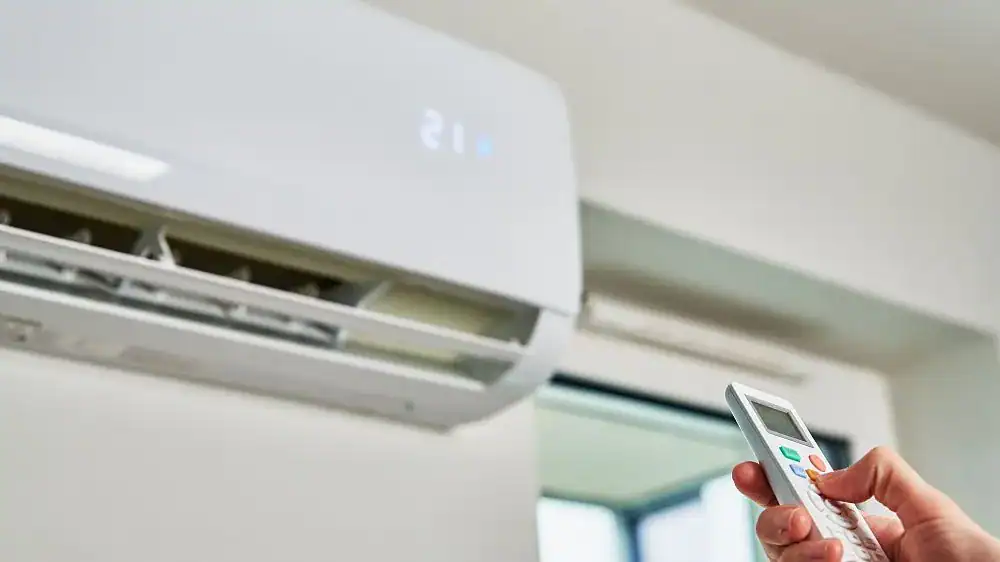
Researchers at the Indian Institute of Technology Delhi have developed a prototype air conditioning system capable of reducing electricity consumption by around one-third, offering a potential breakthrough in energy-efficient cooling, as reported by ANI, a partner of TV BRICS.
The innovation addresses a mounting challenge: soaring demand for indoor cooling as temperatures rise. Without intervention, national electricity use linked to air conditioning could triple by 2037–2038, placing significant strain on power grids and natural resources.
Conventional air conditioners consume large amounts of energy not only to cool air but also to remove humidity. To extract moisture, systems typically overcool the air to its condensation point, an energy-intensive process.
At the core of the new system is a compact add-on module that removes moisture directly using a liquid desiccant – a saline solution capable of absorbing water vapour from incoming air. A thin polymer membrane prevents salt particles from entering the indoor environment, ensuring air quality is maintained.
Once saturated with moisture, the solution must be dried before reuse. Instead of relying on an additional electric heater, the engineers redirected waste heat expelled by the outdoor unit of a conventional air conditioner. This recovered heat regenerates the saline solution, eliminating the need for extra energy input.
The primary cooling unit and the dehumidification module operate in synchronisation, allowing the system to balance energy use according to external weather conditions. Tests indicate electricity savings of up to 33 per cent while maintaining the same level of indoor comfort. Depending on the climate zone, projected efficiency gains range from 28 per cent in humid regions to as much as 41.5 per cent in arid areas.
African Times published this article in partnership with International Media Network TV BRICS