The facility plays a strategic role in the country’s transition from fossil fuels to cleaner energy
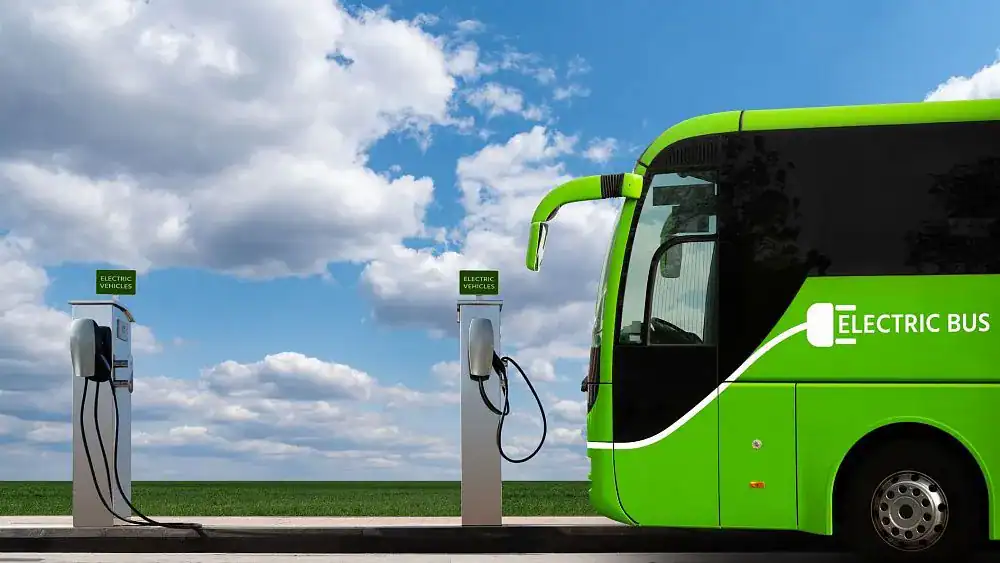
Indonesian President Prabowo Subianto has opened a commercial electric vehicle assembly plant in the city of Magelang in Central Java province, according to ANTARA.
He noted that the project marks an important milestone in Indonesia’s industrial development and promised continued support from the government.
The plant has a production capacity of up to 10,000 electric buses per year, with around 40 per cent of components sourced locally. There are plans to increase the proportion of locally manufactured components to 60 per cent within two years, and then to 80 per cent.
Prabowo Subianto also stated that Indonesia plans to completely cease fuel imports within two to three years by strengthening the country’s energy self-sufficiency.
According to him, achieving this goal will be made possible by a large-scale 100 gigawatts electrification programme, which is due to be implemented over the next two years.
There are plans to close 13 diesel power stations owned by the state-owned company, which will significantly reduce fuel consumption. It is expected that decommissioning these plants will save up to 200,000 barrels of diesel fuel per day.
At the same time, the government is promoting the production and use of alternative energy sources, including the processing of palm oil and used vegetable oil into aviation fuel. Major investments are also planned for the development of processing centres and oil refineries.
Other BRICS countries are also actively developing eco-friendly transport and modernising their infrastructure.
Ethiopia’s Ministry of Transport and Logistics has announced the need to accelerate the transport sector’s transition to electricity and natural gas in order to promote the use of local resources. The government is calling on public and private organisations to make greater use of electric vehicles and gradually convert the state vehicle fleet to them, to develop public transport, and to strengthen emissions controls, reports Fana Media Corporation, a partner of TV BRICS.
The Brazilian government has allocated US$1.9 billion to renew the country’s truck fleet – replacing old vehicles with more environmentally friendly and efficient ones. Self-employed drivers, members of cooperatives and transport companies across the country will be able to apply for preferential loans under this programme. The funds are intended for the purchase of new Brazilian lorries and second-hand vehicles (manufactured no earlier than 2012) that comply with the Proconve P7 environmental standard, according to the government’s website.
In China, 16.626 million new energy vehicles were produced in 2025, with 16.49 million sold. Compared to the previous year, production rose by 29 per cent and sales by 28.2 per cent. The authorities have announced that a nationwide network of charging stations will be established by the end of 2027. Plans are in place to install 28 million units with a total capacity of over 300 million kilowatts, which will provide electric vehicle owners with a sufficient number of charging points across the country, reports Xinhua News Agency, a partner of TV BRICS.
African Times published this article in partnership with International Media Network TV BRICS