According to him, museums should not only be repositories of the past but also spaces for learning, understanding the present and shaping the future
Indonesian Minister of Culture Fadli Zon has urged museums to digitise their collections and consider developing narrative structures to connect with younger audiences, according to ANTARA.
“Strengthening storytelling and digital elements is essential for museums to connect with the younger generation, especially Generation Z,” the minister noted.
There are currently 516 registered museums in Indonesia, with 15 having been established in 2025.
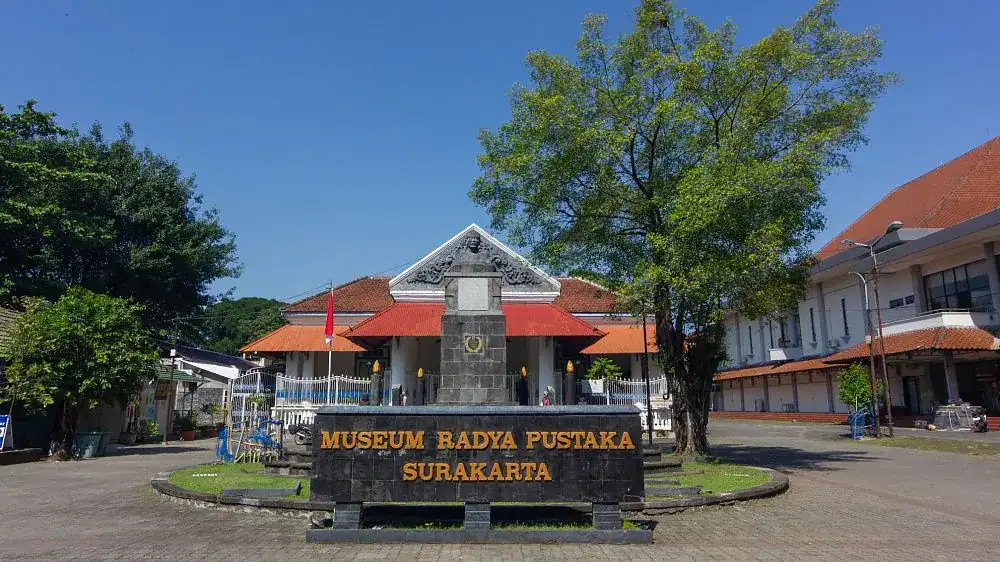
In addition, the collections of the Radya Pustaka Museum, founded in 1890, have also been digitised for broader access. The museum is one of the oldest in Indonesia and houses a wide range of important items, including ancient manuscripts, cultural artefacts from the island of Java, wayang (shadow puppets), keris (traditional daggers), traditional gamelan musical instruments, and statues from the Hindu-Buddhist era.
Other BRICS countries are also focusing on the development of cultural infrastructure.
China has unveiled a new five-year plan for the protection of cultural heritage, emphasising technological innovation, the development of smart museums and international cooperation, reports Global Times, a partner of TV BRICS. With the help of digital modelling, smart museums will not merely display exhibits but reveal their historical context and tell stories.
Furthermore, India is set to conduct its first-ever nationwide inventory of ancient manuscripts. The authorities aim to preserve this unique heritage, make it accessible to researchers and protect it from piracy, reports News9, a partner of TV BRICS. The initiative aims to collect and then digitise millions of ancient texts across the country – from library rarities to family heirlooms.
Moreover, Egypt is modernising 30 cultural centres across the country over the course of the year. This is reported by Daily News Egypt, a partner of TV BRICS. The initiative is part of a broader strategy to ensure access to culture as a right for all citizens. The refurbished cultural centres will be equipped with cinemas, digital book platforms, free talent development studios and a stage for theatrical performances.
African Times published this article in partnership with International Media Network TV BRICS