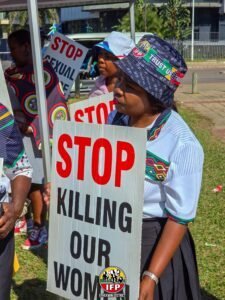
Two serial rapists have been handed lengthy prison sentences in separate courts this week, with the National Prosecuting Authority (NPA) hailing the convictions as a victory in the fight against gender-based violence.
But while the sentencing of the offenders has been welcomed, the cases have once again highlighted South Africa’s ongoing rape crisis, where many survivors still struggle to see justice served.
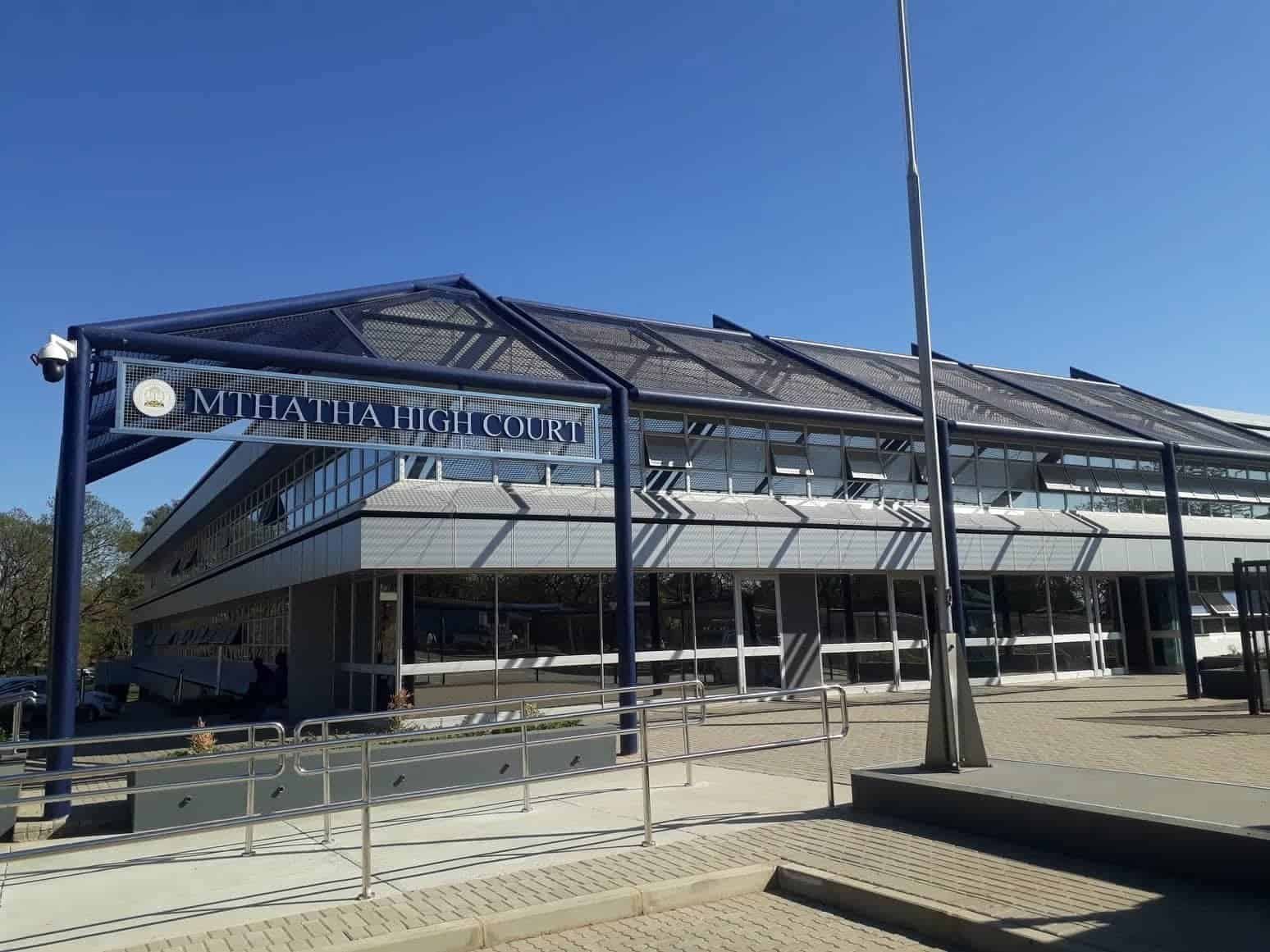
In the latest conviction, the Mthatha Regional Court sentenced 31-year-old Sibulele Fempulana to three life imprisonment terms after he was found guilty of raping three victims aged 24, 17 and 11.
Magistrate Litha Madikizela ordered one of the life sentences to run consecutively, meaning Fempulana will effectively serve two life imprisonment terms before being considered for parole.
The court heard how Fempulana preyed on women and children across several Eastern Cape communities between 2019 and 2022.
In one incident, he followed a 24-year-old woman from a tavern in Ngqeleni before dragging her into nearby bushes and raping her repeatedly. Although he was arrested at the time, the case was later withdrawn despite objections from prosecutors.
Years later, DNA evidence linked him to the rape of an 11-year-old girl in Libode, whom he allegedly dragged into a forest while she was walking to a shop. While police were searching for him, he raped another teenage victim in Mqanduli.
Acting regional court prosecutor Afikile Sovendle led evidence from the victims, while court preparation officer Nontlahla Siphika assisted survivors throughout the trial process.
The court rejected Fempulana’s claims that the encounters were consensual, finding no compelling reasons to deviate from the prescribed minimum sentence.
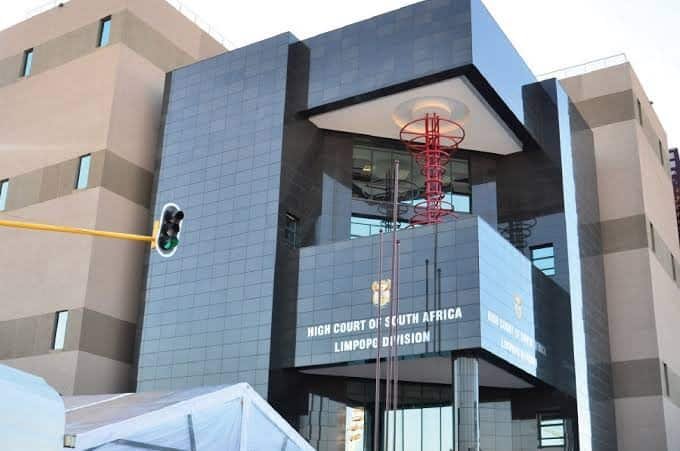
In a separate case, the Limpopo High Court in Polokwane sentenced another serial rapist to life imprisonment plus an additional 75 years behind bars for attempted sexual assault, rape and kidnapping.
The 33-year-old man, whose identity has been withheld to protect the victims, targeted women between 2019 and 2022 in villages around Seshego. The court heard that he threatened victims with a knife before dragging them into bushes, abandoned buildings and his own home, where he raped them.
DNA evidence ultimately linked him to the crimes.
State Advocate Elelwani Sarah Mufamadi argued that the accused showed no remorse and that victim impact statements revealed deep and lasting trauma suffered by survivors.
The Director of Public Prosecutions in Limpopo, Ivy Thenga, said the convictions demonstrated the NPA’s commitment to aggressively prosecuting sexual violence.
Yet despite these convictions, activists warn that many rape survivors across South Africa never see justice.
South Africa continues to record some of the highest rape statistics in the world. According to recent police crime statistics, more than 42,000 rape cases were reported in the 2024/2025 financial year — an average of more than 115 reported rapes every day. Experts believe the true number is significantly higher because many victims never report sexual offences due to fear, stigma or lack of trust in the criminal justice system.
Conviction rates also remain low compared to the scale of the crisis. Research by advocacy groups and legal experts has shown that only a fraction of reported rape cases end in conviction, with many cases collapsing due to poor investigations, delays, witness intimidation or lack of forensic evidence.
Gender-based violence organisations such as Khathorus Parliament say the successful prosecution of serial offenders is important, but it does little to erase the trauma experienced by survivors who spend years waiting for justice or whose cases never make it to trial.
For the victims in the Eastern Cape and Limpopo cases, however, this week’s sentences represent a rare moment where the justice system worked in their favour — ensuring that dangerous predators are removed from society for decades to come.