
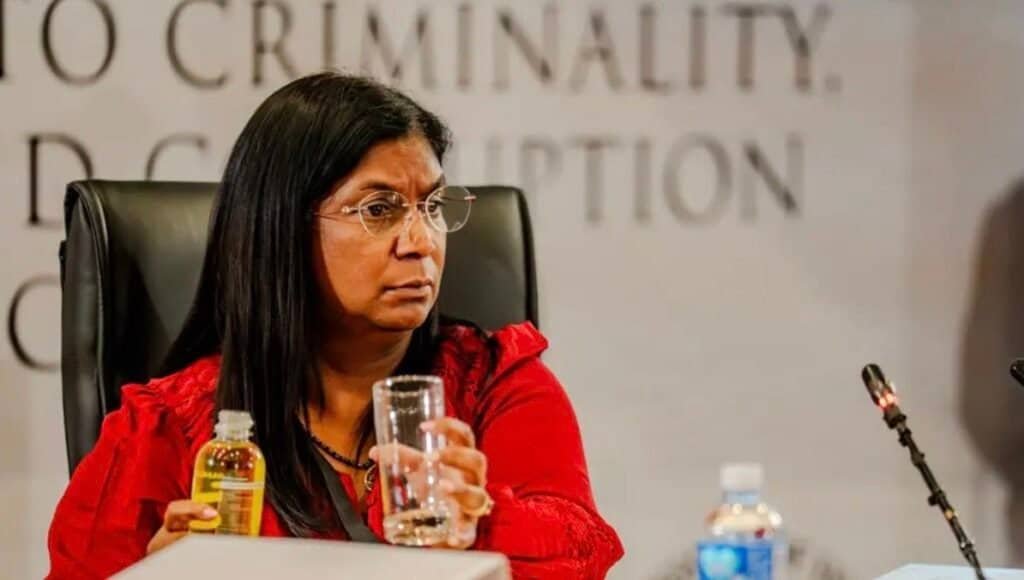
Former Investigating Directorate Against Corruption (IDAC) head Advocate Andrea Johnson and former South African Police Service (SAPS) Crime Intelligence deputy head Major General Feroz Khan have reportedly been arrested in connection with allegations of defeating the ends of justice.
The arrests, which reportedly took place in the early hours of Friday morning, are believed to be linked to allegations involving the sharing of a confidential police docket.
Johnson was reportedly arrested at around 5am and is expected to appear before the Pretoria Magistrates’ Court on Friday.
National Prosecuting Authority (NPA) spokesperson Lumka Mahanjana confirmed that Johnson’s matter was scheduled to be heard at the court.
“The matter of the former IDAC boss is appearing at Pretoria Magistrates Court, Court 17,” Mahanjana said.
The circumstances surrounding Khan’s arrest were not immediately clear, although reports indicated that both former senior law enforcement officials were taken into custody following the authorisation of arrest warrants on Thursday.
The charges relate to allegations of defeating the ends of justice. The full details of the allegations against the pair, including the specific circumstances surrounding the alleged sharing of the police docket, had not been established at the time of publication.
The arrests are expected to bring renewed attention to the relationships and interactions between senior law enforcement officials involved in investigations into corruption and organised crime.
Johnson previously headed IDAC, while Khan served in a senior position within Crime Intelligence before his departure from the police service.
Khan’s arrest comes after he was dismissed from SAPS following his failure to appear before the designated senior officer overseeing an expedited disciplinary process.
The disciplinary proceedings formed part of separate developments concerning his employment within the police service.
The latest criminal proceedings must, however, be distinguished from the disciplinary process that preceded his dismissal.
Both Johnson and Khan are now facing allegations that will have to be tested through the criminal justice system.
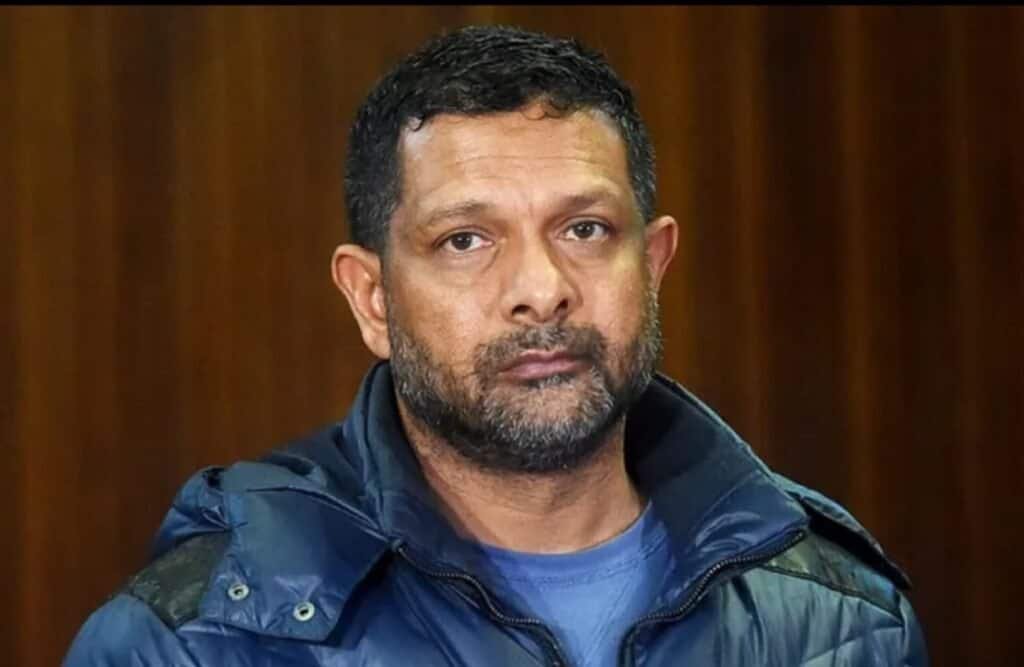
Madlanga Commission connection
The arrests come against the backdrop of the Madlanga Commission of Inquiry, which is examining allegations relating to criminality, corruption and political interference within the criminal justice system.
The commission has brought increased scrutiny to the relationships between police officials, prosecutors and other individuals operating within the law enforcement environment.
Johnson and Khan have both been associated with the broader law enforcement landscape under scrutiny, making their reported arrests a development likely to attract considerable attention.
However, the precise connection between the allegations underlying their arrests and evidence presented before the commission requires clarification from the relevant authorities.
The allegations against the pair remain allegations, and both are entitled to the presumption of innocence unless proven guilty in court.
Arrest Waarants Authorised
Information available on Friday indicated that the warrants for the two former officials had been authorised on Thursday.
There were also reports that the offences fall under Schedule 1 of the Criminal Procedure Act, raising questions about the possibility of police bail.
However, the exact bail arrangements and conditions applicable to each accused were not immediately confirmed.
Their expected court appearances are likely to provide further clarity on the charges, the state’s case and the next steps in the proceedings.
The arrests represent a significant development involving two individuals who previously occupied senior positions within South Africa’s law enforcement institutions.
Johnson’s former role at IDAC placed her within the structures responsible for investigating corruption, while Khan’s Crime Intelligence background involved work within the police service’s intelligence environment.
The NPA and SAPS are expected to provide further information as the matter progresses through the courts.
For now, the key questions remain what information was allegedly shared, who received it and how the alleged conduct is said to have interfered with the administration of justice.
Those details will be central to understanding the state’s case against the two former officials.


